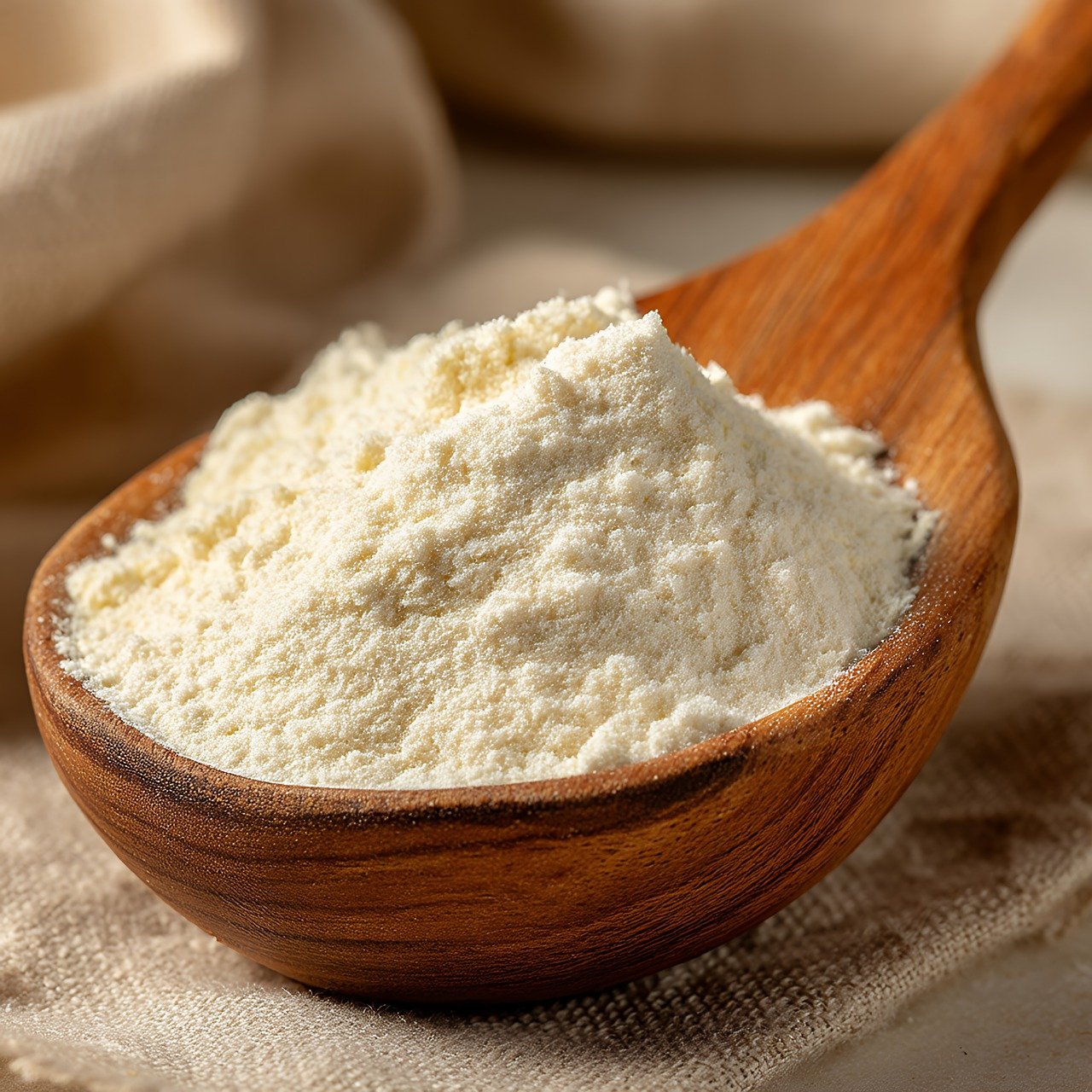

Baking Without Eggs or Dairy: Vegan Flour and Binder Options
Vegan baking can be both a delightful and fulfilling process when one understands the various flour and binder options available. Traditional baking relies heavily on eggs and dairy for structure and moisture, but there are numerous vegan alternatives that serve similar purposes. Flours like chickpea, almond, and oat provide unique flavors and textures to baked goods while keeping them entirely plant-based. Additionally, selecting the right binders is crucial in ensuring the integrity of the finished product. Binders such as flaxseed meal, chia seeds, or commercial egg replacers can help achieve the desired consistency without animal products. Understanding how to combine these components skillfully will elevate the quality of your vegan baked goods, making them just as enjoyable, if not more so, than their traditional counterparts. Experimenting with various recipes allows bakers to discover the best combinations for their personal taste. Considering the texture and flavors of the chosen flour can enhance the overall baking experience and encourage creativity. Furthermore, embracing these vegan options contributes positively to health and environmental sustainability, making every choice impactful for our wellbeing and the planet.
Choosing the right vegan flour can be a game-changer in the baking process. Popular options include whole wheat flour, almond flour, and coconut flour, each offering distinct properties and flavors. Whole wheat flour provides a hearty texture, while almond flour delivers a moist, rich taste that complements many pastries. Coconut flour, on the other hand, is highly absorbent and typically requires more liquid in recipes. To ensure success, it is crucial to understand the behaviors of these flours during baking and how they interact with other ingredients. Additionally, gluten-free baking demands more careful combinations to achieve the right consistency and texture. Blending different types of flour, such as combining almond flour with coconut flour, can create a unique blend that enhances flavor and maintains moisture. Testing various flour combinations in recipes can be a rewarding endeavor. Bakers are encouraged to experiment and take note of how each flour diverges in behavior. This creates an opportunity to refine personal recipes and potentially unlock hidden flavor profiles. By grasping these flour dynamics, you pave the way for innovative vegan baking creations that thrill your taste buds.
Baking often requires binders to replicate the effects of eggs and certain dairy products in traditional recipes. Some excellent vegan binder options include flaxseed meal, chia seeds, and unsweetened applesauce. Flaxseed meal and chia seeds, when mixed with water, form a gel-like consistency, similar to an egg, making them perfect for use in muffins, pancakes, and cakes. The measurement usually entails one tablespoon of flaxseed meal or chia seeds to three tablespoons of water, letting it sit for a few minutes to thicken. Unsweetened applesauce adds moisture while providing sweetness, ensuring your baked goods are tender and delicious. Each binder contributes its unique qualities to the final outcome, which is essential for bakers to consider. Additionally, commercial egg replacers, available in stores, offer convenience and consistency. However, understanding the ratios and adapting them to specific recipes can sometimes require further testing. Adapting traditional recipes successfully with vegan options may take time, but patience and experimentation usually lead to excitement and amazing results. As you become more familiar with these tools, baking without eggs or dairy becomes more intuitive and satisfying.
Creative Vegan Binding Options
In the realm of vegan baking, creativity knows no bounds. Beyond flaxseed meal and chia seeds, there are numerous alternative binding ingredients that offer interesting flavors and textures. Mashed bananas, silken tofu, or aquafaba (the liquid from canned chickpeas) can also serve as effective binders in various recipes. Mashed bananas provide natural sweetness while contributing moisture, suitable for cookies and muffins; whereas silken tofu lends a creamy texture ideal for cakes. Aquafaba, a relatively recent discovery in vegan baking, works surprisingly well to replace egg whites by whipped until light and fluffy. It brings airiness similar to meringues or soufflés. Understanding these creative options opens up an entire world of vegan baking possibilities. Each choice provides not only functional results but also allows bakers to express their preferences and flavors. It is important to explore how the various ingredients work together, balancing taste and texture. As vegan baking resources continue to expand, more innovative ingredients will emerge, challenging the traditional baking norm. By embracing these options, bakers can enhance their culinary repertoire while supporting a plant-based lifestyle.
Combining various vegan flours and binders can lead to delightful surprises in taste and texture. This experimentation involves understanding the nuances of each flour and binder, making adjustments to find the perfect blend. For instance, pairing almond flour with oat flour may yield a soft, rich crumb in cakes, while using a combination of chickpea flour and coconut flour could enhance protein content while introducing a unique flavor profile. The art of baking is based on experimentation; sometimes the best results come from unexpected combinations. Moreover, considering dietary restrictions such as gluten-free requirements broadens the baking landscape. Many gluten-free flour blends available on the market contain a mixture of various flours and can be fun to work with. When reinforcing the structure of gluten-free baked goods, a blend of starches like tapioca or potato starch can be advantageous. As you refine your approach to vegan baking, key upon observing and documenting which combinations work best, allowing for repeatable success in future baking endeavors. The more one practices, the more confident they will become inventively in baking without eggs or dairy.
Perfecting Vegan Recipes
Perfecting vegan recipes can take time and adjustments, but the reward is well worth the effort. As you experiment with different flour and binder combinations, developing signature recipes that align with personal flavors and dietary choices becomes achievable. To enhance success in vegan baking, tracking your adjustments and the outcomes after each attempt will yield insights and guide future endeavors. This scientific approach to baking can also demystify complex recipes and allows you to troubleshoot common issues, such as cakes not rising or cookies spreading too much. Emphasizing the importance of precision with measurements can lead to repeatable successes in baking. Utilizing tools like kitchen scales and measuring cups helps ensure perfect ratios every time. Additionally, finding vegan-friendly substitutes for traditional indulgences, such as dairy-free chocolate or natural sweeteners, elevates the overall experience. Experimenting with different textures and flavors enhances creativity and enjoyment. Furthermore, joining online communities focused on vegan baking provides access to a wealth of knowledge and shared experiences. Engaging with fellow vegan bakers can inspire new ideas and techniques to implement in your baking journey.
Lastly, embrace the adventure that vegan baking offers. Each baking session is a chance to not only create delicious treats but also to explore and discover personal preferences. Reflection on past attempts allows for continuous improvement, ultimately leading to the establishment of a personal style in recipes. Engaging with various cultures within vegan baking can further widen your palate and introduce exciting ingredients that may not typically be used. Incorporating locally-sourced fruits or innovative plant-based products can lead to mouthwatering creations. The ultimate goal is to enjoy the process of baking, rather than fixating on the outcome. Approaching vegan baking with a sense of joy and curiosity fosters a positive environment where mistakes become learning lessons. Remember, creativity flourishes within an open mindset. Sharing your findings with others amplifies the experience, creating connections and possibly even inspiring others to explore vegan baking themselves. Ultimately, baking without eggs or dairy is not only feasible but can also be an enjoyable adventure worth celebrating. By trying new recipes and sharing successes, your journey in vegan baking can be both fulfilling and delicious.
To ensure your vegan baked treats are irresistible, focusing on flavor enhancement is important. Incorporate spices like cinnamon, nutmeg, or vanilla extract that elevate taste profiles in various recipes. In addition to spices, consider incorporating ingredients like citrus zest to brighten flavors or using natural extracts to create depth. Another great approach is to infuse your batters with unique ingredients such as matcha powder for distinct color and flavor or using cocoa powder to create delicious chocolatey treats. Adjusting the sweetness level is also crucial; experimenting with different sweeteners, such as maple syrup, agave, or coconut sugar, can transform a recipe. Understanding how to balance flavors maximizes the potential of each ingredient while ensuring that your vegan baked goods stand out. As you develop your palate, be attentive to different combinations and how they play off one another. This will help guide your baking preferences and trickle into refining your own recipes. Sharing experiments with friends and family can also provide valuable feedback as you continue your journey in the world of vegan baking.