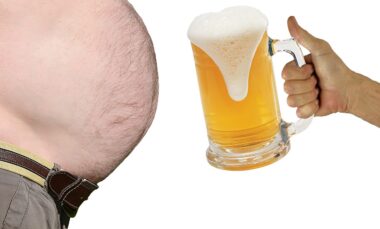

Is It Better to Avoid Alcohol Completely After Training?
Post-workout nutrition is crucial for optimal recovery after exercise. In this context, understanding the role of alcohol is essential, especially for athletes. Consuming alcohol post-training can significantly affect recovery. Alcohol consumption can interfere with muscle protein synthesis, crucial for repairing and building muscle following intense workouts. This directly impacts performance as it delays recovery time. Furthermore, alcohol dehydrogenase metabolizes alcohol into acetaldehyde, which can be toxic to cells. This process takes priority over the healing processes the body needs. Excessive alcohol intake also leads to dehydration, which impairs muscle recovery. Hydration is vital for effective metabolic processes and nutrient transport within the body. Dehydration may also exacerbate muscle soreness and fatigue post-exercise. Some argue that moderate alcohol consumption may have social benefits and could help relax the mind after a hard workout, but crucial considerations remain. Timing, type, and amount of alcohol intake also matter. In essence, the negative effects often outweigh the potential benefits. Therefore, athletes looking to maximize recovery from training sessions should consider abstaining from alcohol.
The physiological effects of alcohol consumption post-exercise merit consideration, particularly in recreational and competitive contexts. Alcohol can disturb sleep patterns, disrupting the recovery process. A good night’s sleep is vital for muscle repair and overall wellness. Hormones governing recovery, such as growth hormone, are released during deep sleep stages. Alcohol also impacts these stages, leading to poor-quality sleep. There are further implications for cognitive function post-exercise: alcohol can impair reaction times and decision-making abilities. This could impact performance in follow-up workouts, competitions, or gameplay scenarios. Additionally, alcohol reduces the effectiveness of nutrients, such as carbohydrates and proteins, as they are less effectively utilized when alcohol is present. This compound can lead to imbalanced nutrient reservoirs in the body, hampering recovery processes. While alcohol might contribute to social bonding, the associated health costs can be detrimental. Factors to consider include body composition goals, overall health, and personal tolerance levels. Individuals who prioritize their athletic objectives must understand the consequences of alcohol in their recovery protocols. Striking a balance between enjoyment and performance optimization is essential.
Despite the drawbacks of alcohol following workouts, some individuals may still choose to partake. In moderation, it could potentially fit within a well-rounded lifestyle; however, several critical elements should not be overlooked. Healthy post-workout meals rich in protein and carbohydrates should take precedence. If alcohol is consumed, pairing it with nutrient-dense options may mitigate some negative impacts. Hydration is equally paramount. Ensuring adequate water intake can help counteract alcohol’s dehydrating effects, aiding recovery. Moreover, mixing drinks with water or consuming low-alcohol options may be wise for those unwilling to omit alcohol completely. However, moderation is key, and mindful consumption is necessary to avoid excessive intake. Lifelong habits established during post-exercise routines influence overall health and athletic performance. Athletes and fitness enthusiasts must develop healthy routines that emphasize recovery and self-care. Exploring non-alcoholic alternatives, such as flavored sparkling waters or nutrient-rich smoothies, can also fulfill social cravings without harming recovery. Ultimately, the path to optimizing recovery involves aligning dietary choices and hydration practices with personal goals while considering the potential complications of alcohol. Staying informed empowers athletes to make smarter choices.
Long-Term Effects on Performance
Understanding the long-term effects of alcohol consumption on fitness is essential for athletes. Continued alcohol intake may lead to more profound consequences, such as decreased muscle strength and endurance. Over time, these factors accumulate, resulting in performance declines that may be more challenging to reverse. Frequent consumption can lead to weight gain due to empty calorie intake, hindering fitness goals in those focused on body composition. Alcohol may also negatively affect cardiovascular health, as it can contribute to high blood pressure and other complications. For athletes engaged in endurance training, strong cardiovascular health is paramount for optimal performance. Furthermore, alcohol can perpetuate a cycle of unhealthy habits, including poor dietary choices and insufficient hydration. Maintaining peak physical condition requires dedication to training, nutrition, and recovery. Relying on alcohol can unravel hard-earned progress, affecting every aspect of an athlete’s life. Instead of finding solace in a drink post-workout, identifying alternative recovery techniques can enhance outcomes. For instance, mindfulness practices, meditation, or proper nutrition strategies can yield better results. Prioritizing health over social habits will cultivate sustained athletic success.
Furthermore, it’s crucial to recognize the contextual differences regarding alcohol consumption after training. Recreational athletes, weekend warriors, and elite competitors often have varying recovery objectives. For general fitness enthusiasts, enjoying a drink post-workout may not dramatically impact their goals. However, for athletes striving for peak performance, moderation or abstaining from alcohol altogether is advisable. Another aspect is the importance of understanding one’s body. Everyone’s ability to recover varies, so monitoring personal responses to alcohol may reveal sensitive areas. Pain during workouts, sluggishness, or lingering soreness may signal precious resources being wasted on unfocused recovery. Athletes should remain attuned to these signals, adapting habits accordingly. Social pressures may arise around drinking culture in athletic communities. Thus, having a plan while navigating these spaces can ensure choices align with personal performance goals. Sharing healthier options with peers can foster environments supportive of overall well-being. Ultimately, the individual choices made post-exercise establish the foundation for strength and recovery. Regularly reassessing these habits can ensure health remains a priority, reinforcing the commitment to ongoing improvement.
Conclusion
In conclusion, the effects of alcohol on post-workout recovery are nuanced and require reflection. Evaluating personal goals and the implications of alcohol intake should guide decisions after training sessions. While occasional moderate drinking may be enjoyable, athletes should weigh its benefits against drawbacks. The risk of dehydration, impaired muscle recovery, negative sleep patterns, and prolonged muscle soreness can detract from performance. Establishing a recovery routine enriched with nutrient-dense foods, hydration, and proper rest is paramount for improvement. Adequate sleep and nutrition directly impact the progress of recovery—empowering individuals to push their limits in future workouts. For those wishing to socialize post-exercise, envisioning non-alcoholic alternatives can support recovery while maintaining enjoyment can reinforce a commitment to long-term athlete health. Regular reassessment of these choices helps maintain focus on performance objectives. Ultimately, opting for better recovery practices enhances both physical and mental resilience. Enthusiasts can build balanced lifestyles that celebrate victories in recovery through thoughtful choices. Prioritizing health and wellness fosters not just immediate progress but a lasting legacy in fitness pursuits. Empowered athletes can navigate the complexities of post-workout nutrition with confidence.
Young athletes particularly must navigate the challenges of a driven society while emphasizing health. Fostering open discussions surrounding alcohol and recovery equips them to make informed choices. Promoting awareness of the long-term consequences while encouraging healthier options can reshape perspectives. This collective reevaluation of norms can contribute to changing the narrative around alcohol in sports. Educators, trainers, and coaches also play impactful roles by emphasizing recovery habits. Providing guidance and sharing resources about nutrition and alcohol can lead to positive shifts within fitness communities. On a broader scale, community wellness initiatives can help underscore the importance of balanced behavior. Emphasizing healthier lifestyles in youth sports can lay the groundwork for their future experiences in sports and overall well-being. As awareness spreads, the potential for societal change in how we view alcohol grows stronger. These combined efforts can spark a movement towards prioritizing health and performance. An informed approach can yield empowerment, where athletes thrive without compromising recovery or performance. In the end, creating an environment that nurtures growth and resilience through mindful choices benefits all stakeholders in sports.
Moreover, personal stories of athletes who chose to forgo alcohol post-exercise can inspire change. Candid narratives about victories and challenges can motivate others to adopt healthier habits. When individuals acknowledge their experiences and collective power, the community can evolve into healthier environments. Sharing success stories further reinforces a brand of optimism and determination, fostering a new culture. Athletes teaching each other about sober practices can lead to transformative personal and collective growth. These stories, while anecdotal, can ignite conversations about recovery and alcohol’s role within it. Engaging workshops or community gatherings can solidify these efforts, providing educational resources to help others optimize their routines. Collaborating with nutritionists and health experts can offer evidence-based understanding. As these discussions flourish, athletes can share why they prefer to avoid alcohol after training for recovery reasons. Addressing misconceptions can also reduce stigma, as enjoying a glass of water or a smoothie becomes more common. An awareness of healthy alternatives encourages individuals to rethink their practices. Such narratives can empower athletes and create lasting changes in sports culture that prioritize overall wellness, fostering success both in and out of the training environment.