
Avoiding Injury While Pursuing Challenging Swimming Goals
Swimming is a fantastic sport that provides numerous health benefits, including increased cardiovascular endurance, muscle strength, and flexibility. However, as you pursue challenging goals in swimming, you must be aware of the potential for injuries that can arise if you don’t maintain proper techniques and practices. To mitigate injury risks, it’s crucial to focus on gradual progress in your swimming routines. Increasing your distance or intensity too quickly might lead to strain or overuse injuries. Moreover, incorporating warm-up and cool-down routines into your practice not only prepares your muscles but also aids in recovery, thereby reducing the likelihood of injury. Another important factor to consider is listening to your body. If you experience pain during your swim, it’s essential to recognize when to take a break, allowing time for recovery and healing. Swimmers should also pay attention to their technique. Poor form while swimming can create unnecessary strain on muscles. Consulting with a qualified coach can help correct your mechanics and ensure safe swimming practices. With dedication and awareness, you can achieve your swimming goals without compromising your physical health.
Set realistic expectations that align with your current skill level as you pursue your swimming goals. This can significantly reduce the risk of injuries associated with pushing beyond your limits. If you aim to swim longer distances or achieve quicker times, do it gradually. A common rule of thumb is to increase your training volume by no more than 10% per week. Additionally, engage in cross-training activities that support swimming. Activities like strength training, yoga, or cycling can enhance your overall fitness and stamina without exerting more pressure on your swimming muscles. Maintaining a balanced workout regime encourages flexibility and can prevent injuries. Adequate hydration and nutrition also play crucial roles in injury prevention. Dehydrated or improperly nourished muscles are more susceptible to cramping or strains. Therefore, ensure you’re consuming adequate fluids and nutritious foods throughout your training regimen. Finally, consider investing in quality swim gear, including well-fitted goggles and swimsuits that promote comfort. Gear that does not fit properly can cause distractions and discomfort, leading to poor techniques, which increases injury risks. Prioritize comfort in your swimming journey to foster a safe and enjoyable experience.
Importance of Recovery and Rest
Recovery is a vital aspect of effective training routines, especially in swimming, where the risk of injury can be significant. The body requires time to heal and rebuild muscles after intense swimming sessions. Prioritizing rest days helps prevent fatigue, soreness, and reduces the likelihood of overuse injuries. Along with regular rest, consider implementing active recovery strategies such as gentle swimming or stretching exercises. These methods can enhance blood flow to your muscles, aiding recovery while maintaining your activity levels. Additionally, fostering healthy sleep habits is essential for overall recovery. Sleep allows your body to repair itself and adapt to the physical stress imposed during training. Make sleep a priority by establishing a consistent sleep schedule that ensures adequate rest. Use techniques like listening to calming music, using comfortable bedding, and reducing screen time before bed to improve your sleep quality. Remember to stretch regularly to maintain flexibility and improve range of motion, particularly after intense swim sessions. Stretching prevents tightness and reduces the chance of muscle injuries. Through proper recovery practices, you can continue pursuing swimming challenges while minimizing injury risks.
A key component of injury prevention is avoiding burnout, which can occur from intense physical training combined with inadequate recovery strategies. Burnout not only negatively affects performance but can lead to mental fatigue and an increased risk of injury. Therefore, recognizing when you need a break from your swimming routine is crucial. Sometimes, a leisurely swim or engaging in a different water activity can give you a mental reset. Moreover, focusing on personal achievements rather than competitive comparisons can alleviate pressure and reduce stress associated with goals. Share your progress with supportive friends or fellow swimmers to gain encouragement and motivation. Establishing a balanced approach to goal-setting, where you include fun objectives alongside challenging ones, can help maintain your love for swimming. Also, participate in swimming workshops or clinics that focus on injury prevention to gain insights into effective techniques and training strategies. Learning from experts provides valuable knowledge to incorporate into your swimming practice. This establishes a solid foundation for lifelong swimming enjoyment without the detrimental effects of injuries.
Engaging with the Swimming Community
Engaging with a supportive swimming community can have significant advantages in injury prevention and maintaining motivation towards your goals. Surrounding yourself with like-minded swimmers helps in sharing experiences, techniques, and beneficial practices that emphasize injury prevention and recovery. Consider joining local swimming clubs or online forums where members share advice and tips for safe swimming practices. Additionally, participating in group swims not only fosters camaraderie but also encourages accountability. Friends can motivate you to adhere to better techniques, encourage proper warm-ups, and emphasize recovery strategies. Furthermore, attending swimming workshops or training camps can expose you to new ideas and methods that enhance your skills in a safe environment. Another advantage of connecting with others is celebrating achievements together. Acknowledging milestones boosts morale and is fantastic for maintaining momentum in your swimming practice. Moreover, hearing stories of those who have navigated similar challenges can inspire and serve as practical learning experiences on your journey. Sharing the highs and lows of swimming with a community helps foster resilience and drive toward your swimming goals without the interference of injuries.
Injury prevention in swimming also includes understanding the importance of individualized training programs. Tailoring your training based on your physical fitness and experience can significantly lower the likelihood of injuries. Working with a qualified coach to create a personalized training plan helps identify your strengths and weaknesses, allowing for a balanced approach to achieving your swimming goals. This custom plan can outline specific drills that enhance technique and reinforce proper forms, decreasing the chances of muscle strain. Moreover, maintain a focus on the quality of your training over the quantity. Shorter, highly focused training sessions tend to yield better results than excessive hours in the pool with improper techniques. Integrating drills for strength, speed, and endurance into your weekly routine can help create well-rounded swimmers instead of overworking a single muscle group. Another aspect of individualized training is incorporating frequent check-ins to monitor your body’s response to the training. Adjustments can be made based on fatigue levels, soreness, or any pain you might encounter. Thus, individualized training can empower you to pursue swimming goals safely and effectively, ensuring your passion for swimming remains unscathed.
Final Thoughts on Safe Swimming Practices
In summary, pursuing challenging swimming goals should focus on safety to prevent injuries while allowing for improved performance. Take time to evaluate your current skill level, set realistic challenges, and progressively build your training intensity. Focus on establishing well-rounded routines that include strength and flexibility training alongside swimming sessions. Prioritize recovery by implementing rest days, sleep, and active fun alternatives to maintain your zest for swimming. It’s also crucial to understand and listen to your body’s signals, taking breaks when necessary and consulting with professionals for guidance. Combining these practical approaches can empower your swimming journey, making it enriching and enjoyable. Empower yourself with knowledge from the swimming community and continue learning about safe practices. Dive deep into cross-training for overall physical enhancement while keeping injury risks to a minimum. With proper planning, dedication, and attentiveness to your physical wellbeing, you can pursue your swimming goals confidently. Remember, your passion for swimming can flourish without injuries; acknowledging this balance is key. So go ahead and dive into the beautiful world of swimming while embracing a safe and fulfilling journey!
Emphasizing Technique and Equipment
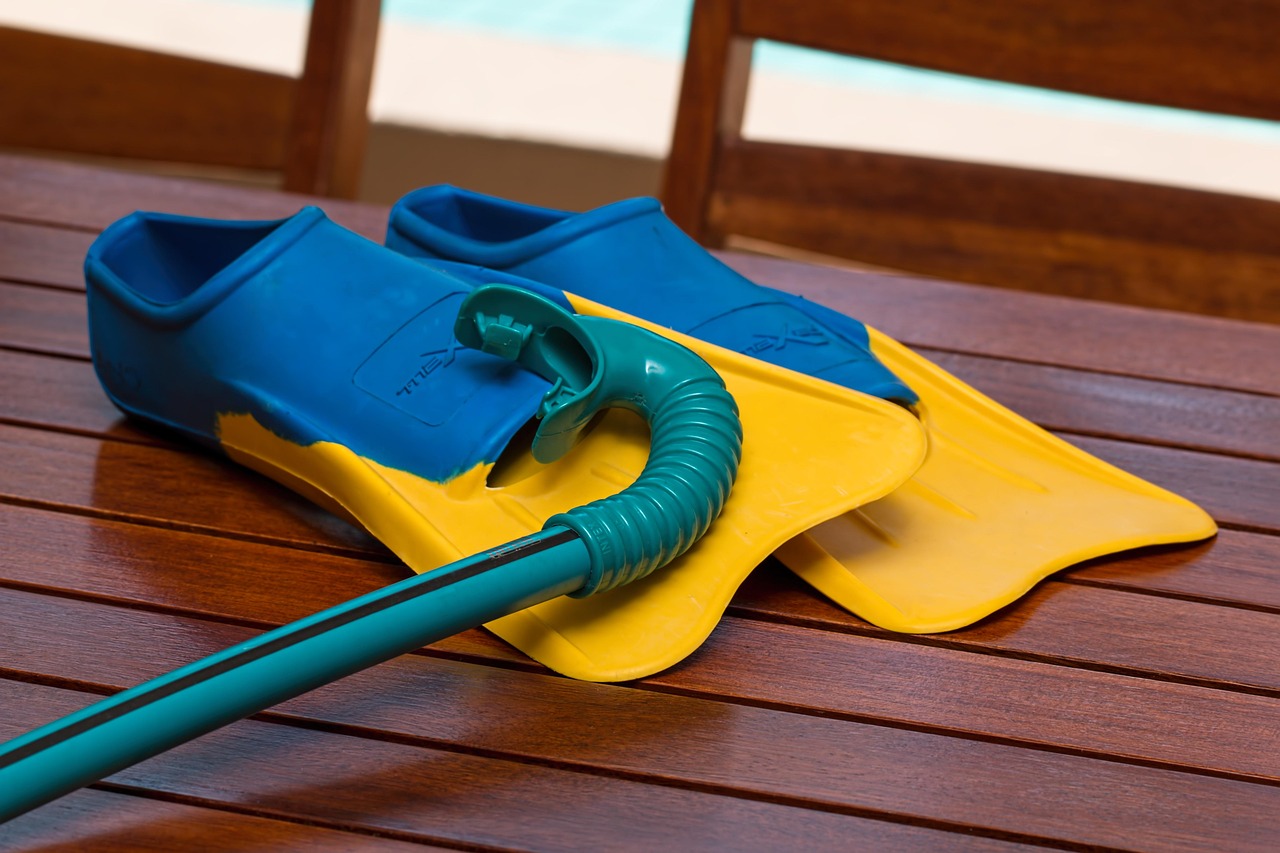
Prioritizing swimming technique is essential to preventing injuries, especially when pursuing challenging goals. Proper form minimizes unnecessary strain on muscles and joints, ultimately enhancing overall performance. Regularly practicing drills that focus on your swimming technique can help improve efficiency in the water. For example, drills for breathing, body alignment, and stroke mechanics enhance efficiency and minimize the risk of muscle fatigue or injury. Furthermore, swimmers should invest in quality equipment, such as swimsuits and goggles that fit correctly and suit their needs. Wearing well-fitted gear increases comfort and allows for better movement, reducing distractions when swimming. Ensure that your training environment is also conducive to safety; if swimming indoors, make sure there are no hazards around the pool area. Finally, always be aware of your surroundings if you swim outdoors, including checking weather conditions and water temperatures. Having the right skills, techniques, and equipment significantly contributes to a safe swimming experience. Stay focused on learning and practicing the right techniques, as they are foundational for achieving your swimming objectives injury-free.