
Balancing Workouts and Recovery for Optimal Results
Strength training is a vital part of fitness, promoting not just muscle growth but also enhancing overall health. Effective strength training involves not just lifting weights but also understanding the importance of recovery. Recovery is crucial in aiding muscle repair and growth, allowing athletes to achieve their optimal performance. When muscles are subjected to stress from workouts, microtears occur in muscle fibers. It’s during recovery that these fibers strengthen and repair, seeing an increase in muscle size and strength. Neglecting the recovery phase can lead to fatigue and burnout, ultimately hindering progress. While many focus heavily on workout intensity, it’s equally important to plan recovery strategies. These strategies may include active recovery, stretching, or simply allowing time for rest. Prioritizing recovery ensures that you can continue challenging your body without over-exerting it. Make sure to include adequate sleep, hydration, and nutrition in your recovery plan. These factors will contribute significantly to muscle repair and overall wellness, promoting better physical performance in subsequent workouts. To enhance your strength training regime, remember: recovery is just as essential as the workouts themselves.
The Science Behind Recovery in Strength Training
The science of recovery provides valuable insights into how our bodies manage stress from strength training. When performing resistance exercises, muscles undergo stress, which leads to soreness and fatigue. This is a natural part of the adaptation process, which builds strength over time. Recovery encompasses various physiological processes that help the body normalize after a workout. Key factors that impact recovery include muscle repair, hormonal balance, and nervous system recovery. Studies show that during recovery, muscle fibers facilitated by satellite cells regenerate and repair the microscopic tears that occurred during strength training. Lactic acid and other metabolites must also be cleared from muscle tissue to improve performance. Moreover, recovery affects not just skeletal muscles but also connective tissues, preventing injuries while maximizing performance. You’ll likely notice a decline in training performance when excessive fatigue accumulates, leading to overtraining. Effective recovery strategies include proper nutrition, hydration, sleep, and possibly tools like foam rollers or massage. Integrating these elements into your routine will bridge the gap between workouts and recovery, ultimately enhancing your overall training efficacy while reducing the risk of injury.
A common misconception is that more workouts equate to better results. In reality, this can lead to diminished returns, where the body cannot keep up with the stress placed upon it. Balancing workouts and recovery is fundamentally essential for maximizing strength gains. The ideal approach is to structure training plans that include both intense training sessions and sufficient recovery periods. Adequate rest days allow the muscles to recover, replenish energy stores, and repair tissues. Additionally, implementing a variety of training loads and intensities will help the body adapt progressively while minimizing risk of injury. For instance, integrating light activity days, such as yoga or cycling, aids in recovery while still promoting movement. It is also helpful to track your workouts and recovery to look for patterns. This data can help in fine-tuning your training program to include appropriate recovery in the equation. Remember, while the goal may be to push your limits, respecting the signals your body sends is vital. Not only does this facilitate overall health, but it enhances long-term strength training success, making consistent progress possible.
Nutrition’s Role in Recovery
Nutrition plays a pivotal role in recovery, providing the necessary building blocks for muscle repair and growth. After strength training, the muscles need proper nutrition to recover efficiently. Consuming an adequate amount of protein post-workout is essential; it promotes muscle protein synthesis, which is vital for recovery. The protein shakes or whole foods you may consume during this period can substantially influence muscle recovery. Aim for a balance of carbohydrates and proteins, ideally consuming them within a two-hour window after training. Carbohydrates replenish glycogen stores that fuel your muscles, while proteins help repair muscle fibers. Additionally, vitamins and minerals from fruits and vegetables support metabolic functions and aid in reducing inflammation. Always stay hydrated before, during, and after workouts, as proper hydration supports overall bodily functions, recovery, and performance. Electrolytes are also critical in avoiding cramps and maintaining muscle performance. Consider integrating a varied diet rich in lean proteins, whole grains, and colorful vegetables to ensure your recovery nutrition is well-rounded. Healthy habits in nutrition will drive better recovery, ultimately enhancing your strength training performance and outcomes.
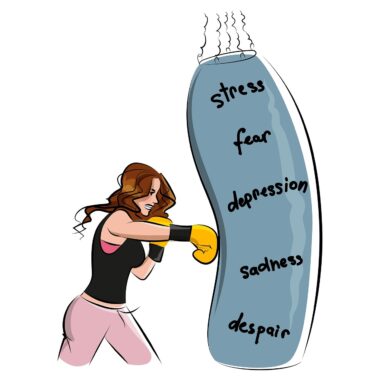
Typically, the recovery phase has numerous benefits that extend beyond muscle respite. Adequate recovery supports mental clarity, emotional stability, and motivation, which are all crucial aspects of maintaining a fitness routine. When the body is stressed from continuous workouts without breaks, mental fatigue can occur, leading to decreased motivation. It’s essential to connect recovery with mental and emotional health as well. Sufficient rest can help rejuvenate the brain, improving focus during workouts and easing the stress accumulated from training regimens. Incorporating relaxation techniques, such as meditation or mindfulness practices, can further enhance your recovery experience, positively influencing your training performance. Connecting with your body through listening to its signals is essential, making it easy to identify when it’s time to push harder or pull back a little. Social support also plays a role; having a workout buddy or community can help you stay accountable for both your effort and rest periods. Remember, a well-rounded approach that accounts for physical and mental aspects will yield superior results and greatly enhance your overall wellness and contentment in your strength training journey.
Active Recovery Techniques
Active recovery techniques have gained traction as effective strategies to enhance recovery. Unlike complete rest, active recovery involves light activities that promote blood flow, reduce soreness, and aid the process of muscle repair. Engaging in gentle movements such as walking, cycling, or swimming can lead to recovery while maintaining activity levels. Specifically, these exercises assist in flushing out lactic acid and other waste products from throughout your system while improving circulation to the muscles. Additionally, stretching during active recovery can improve flexibility and further decrease muscle tightness and soreness. Implementing a cooldown routine after intense workouts is also beneficial, as it allows your heart rate and breathing to gradually return to normal. Another popular method is to incorporate yoga sessions to promote deep stretching and muscle relaxation. Active recovery days can also serve as opportunities to work on conditioning and strengthening areas that may have been previously neglected, minimizing weakness. Cultivating these habits aids in building a routine that respects the essential balance of hard training and effective recovery, ultimately leading you closer to achieving your strength training objectives.
To amplify effectiveness in your strength training regimen, consider periodizing your training program. This involves cycling through phases of different training goals, which can alleviate the risk of fatigue and burnout. Periodization allows you to strategically plan for peaks in performance, ensuring your recovery is always aligned with your training objectives. Varying the intensity and volume of your workouts provides necessary challenges for muscle growth while giving your body time to relax and rejuvenate. Implement rest weeks periodically, dedicated to low-intensity workouts or complete rest. This approach ensures that your body is prepared for higher intensity workouts that can follow. Strategies such as deloading—reducing the weight or volume of training for brief periods—can also complement your recovery plan. This thoughtful management promotes system-wide recovery, aligning physical readiness with high performance. Listening to your body and acknowledging signs of fatigue will directly inform how you approach your training cycles. This periodized style will permit you to acknowledge progress while avoiding plateaus in your strength training journey. Understanding and embracing recovery yield prolonged strength development, ultimately contributing to a more effective and fulfilling fitness experience.
Overall, blending effective recovery techniques into your strength training routine will be instrumental for achieving your fitness objectives. By ensuring proper rest and recovery, alongside challenging workouts, you will foster a more sustainable and productive training environment. Balance is crucial in fitness, so respect your body’s need for rest and time to regenerate. Working out is only one part of the equation; recovery is where optimal results are cultivated. Therefore, implement structured training plans that incorporate both high-intensity workouts and considered recovery practices. Prioritize nutrition, hydration, quality sleep, and the integration of active recovery sessions to support your bodily functions. As momentum builds around strength training, take opportunities to listen to your body consistently and adjust your plans accordingly. The journey may occasionally demand fine-tuning your approaches, but those adjustments lead to great enlightenment in your fitness experiences. Healthy competition, ambitious targets, and finding joy in the process can motivate you to uphold this balance. Ultimately, an informed, conscientious perspective on your training paired with holistic recovery practices will ensure you reach your goals and develop a lifelong commitment to strength and wellbeing.