
Using Massage Therapy to Improve Strength Training Recovery
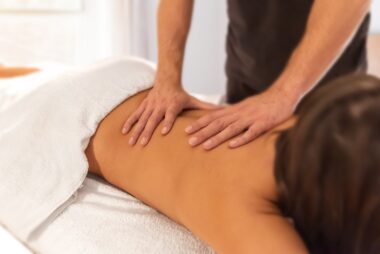
Massage therapy has become an essential tool within the fitness community, particularly for athletes engaged in strength training. This form of therapy plays a significant role in aiding recovery, as it relaxes the muscles, enhances blood circulation, and alleviates tension. After an intense workout, various muscles experience fatigue and may develop tightness, which can hinder future performance. By incorporating massage into a regular routine, individuals can experience notable benefits. Professional therapists employ techniques tailored to treat sore muscles and promote overall recovery. This targeted approach helps athletes maintain their training intensity while minimizing the risk of injury. Moreover, regular massage therapy sessions can lead to improved flexibility and range of motion, essential for optimal strength training. Furthermore, research indicates that massage can decrease muscle soreness and improve the rate of recovery post-exercise. With these advantages, it’s clear why strength trainers should consider adding massage therapy to their recovery strategies. By doing so, they can achieve their fitness goals more efficiently and enjoy long-term well-being. In summary, the integration of massage therapy into strength training regimens offers significant recovery benefits, making it an invaluable aspect of athletic training.
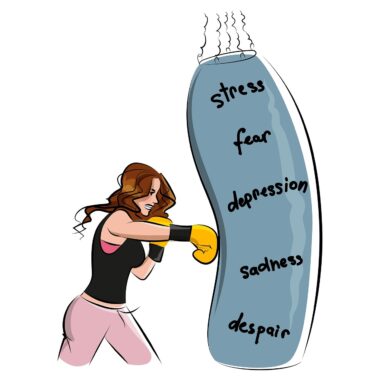
The benefits of massage therapy extend beyond immediate physical comfort and recovery. Regular massage sessions are not just beneficial for short-term muscle relaxation; they also contribute to long-term improvements in athletic performance. By enhancing blood circulation, massage therapy increases the supply of oxygen and nutrients to muscles, which is crucial during the recovery phase. This enhanced circulation helps in efficiently transporting metabolic waste products out of the muscle tissues, thereby promoting quicker recovery after strength training sessions. The psychological aspects of massage are equally significant. Many athletes report improved mood and reduced levels of anxiety after massage therapy. This stress reduction can lead to better focus and performance in subsequent workouts. As athletes feel mentally rejuvenated, they are more likely to engage in their workout routines enthusiastically. Additionally, other benefits such as the treatment of soft tissue injuries and preventing exercise-related injuries are noteworthy. Athletes who frequently incorporate massage therapy into their training regimens often experience fewer injuries, allowing them to maintain consistency in their training. Therefore, recognizing that recovery is multifaceted can help in maximizing training potential by including massage as a key recovery strategy.
Types of Massage Techniques
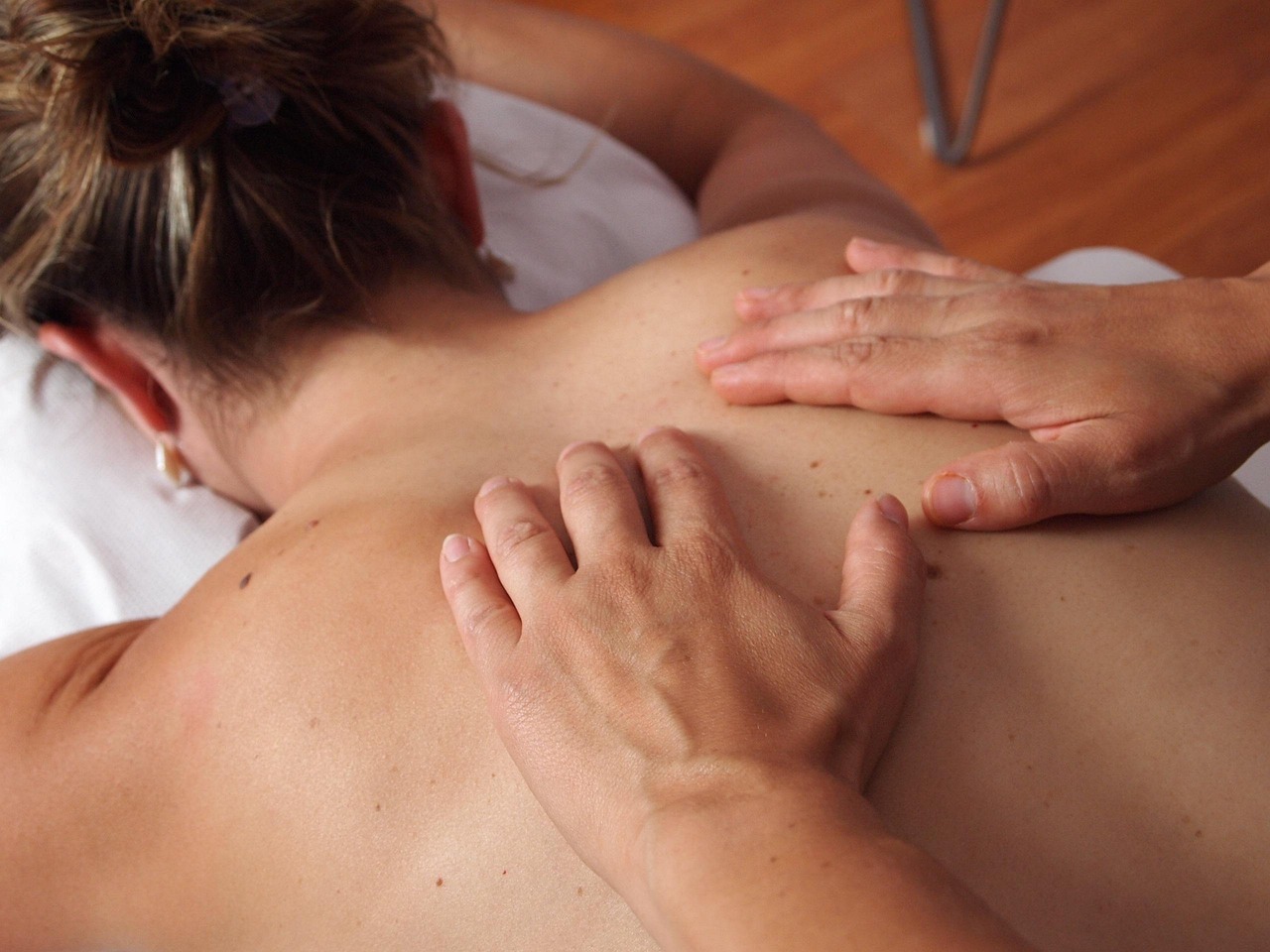
There are various types of massage techniques that athletes can utilize depending on their specific needs and preferences. Some common methods include Swedish massage, deep tissue massage, and sports massage. Swedish massage emphasizes relaxation and uses long gliding strokes, which are beneficial for overall muscle relief. Conversely, deep tissue massage focuses on deeper layers of muscle tissue, addressing chronic muscle tension and aiding in recovery from intense workouts. Sports massage, specifically designed for athletes, combines techniques that stimulate blood flow and decrease muscle tension, helping athletes prepare for and recover from physical activity. Another technique, trigger point massage, focuses on specific tight areas within muscles or soft tissue, providing relief for commonly strained areas. Each technique has unique advantages and can be altered based on individual recovery needs. Moreover, some athletes may prefer dynamic stretching combined with massage to enhance their flexibility and agility as per their demands. By understanding the appropriate massage techniques, strength trainers can customize their recovery regimen, ensuring maximum benefits from each session and promoting a sustainable training approach.
To maximize the effectiveness of massage therapy, a good practice is to strategically schedule sessions around training. Ideally, athletes should schedule massages on rest days or after significant training sessions to allow muscles to recover adequately. This timing is crucial, as receiving a massage immediately after intense training may not provide the same benefits and could even increase soreness. Rather than viewing massage as an isolated recovery tool, it should be integrated into a broader recovery strategy, including proper nutrition, hydration, and rest. Creating a personal recovery plan can include understanding when to prioritize this therapeutic approach for optimal results. Moreover, listening to one’s body is essential in determining the frequency of massage required. Athletes may need more frequent sessions during high-demand training phases or when preparing for competitions. Regular communication with a therapist can help adjust treatment plans requiring needed modifications based on progress and responsiveness. By being mindful of their body’s needs and timing their therapies strategically, individuals can enhance the recovery process, leading to improved performance and success in strength training endeavors.
Potential Risks and Considerations
While massage therapy is generally considered safe and effective, there are potential risks and considerations that athletes should be aware of before beginning treatment. It’s essential to communicate openly with a licensed massage therapist regarding any medical conditions or injuries that may require special attention or modifications to techniques. Some individuals may experience temporary side effects, such as bruising, soreness, or fatigue post-massage, which are typically mild and short-lived. Understanding how your body reacts to various techniques will help in making informed decisions about incorporating massage into strength training routines. Additionally, working with a certified therapist who understands the unique demands of strength training can lead to an optimal experience. Furthermore, it’s crucial to ensure that the massage environment promotes relaxation and comfort for the athlete. Fluctuations in body temperature can also affect recovery, so hydration remains as a priority before and after therapy. Athletes should also consider pairing massage therapy with other complementary recovery methods for an integrated approach. By being proactive about these considerations, strength trainers can maximize the advantages of massage therapy while minimizing potential drawbacks.
In recent years, the rise of technology in wellness practices, including massage therapy, has introduced innovative options such as massage tools and devices. Foam rollers, massage balls, and percussion massagers are becoming accessible for athletes seeking effective recovery solutions. These alternatives help relieve muscle tightness and improve circulation similarly to manual massage. Many athletes now incorporate these tools into their cooldown routine, complementing their post-training recovery efforts. Personal massage devices, such as handheld massagers, offer convenience and flexibility, allowing individuals to customize their recovery practices based on immediate needs. Additionally, guided high-tech recovery applications provide muscle assessments and recovery metrics, further enhancing therapeutic practices. However, while technological advancements present new opportunities, they should not replace professional massage therapy entirely. Combining these tools with professional treatment ensures a comprehensive approach, as therapists can identify issues that self-massage may overlook. Strength trainers need to remain informed about the innovations in recovery tools and techniques. Understanding their applications can maximize recovery protocols while enjoying the balance of traditional practices and modern advancements in strength training recovery.
Conclusion
In conclusion, integrating massage therapy into strength training recovery significantly benefits athletes, enhancing both physical and psychological well-being. Not only does it promote muscle relaxation and improve flexibility, but it also contributes to long-term performance enhancements. Athletes who include massage in their recovery plans often report reduced soreness, faster recovery times, and fewer injuries. With various available techniques, the ability to customize sessions according to individual needs further highlights the versatility of massage therapy. Athletes should remain aware of their body’s feedback and utilize both professional sessions and self-care tools to maximize their recovery. As the fitness landscape evolves, incorporating innovative solutions helps address their specific recovery challenges. Ultimately, understanding and prioritizing recovery practices, such as massage therapy, is essential for any athlete striving for peak performance in strength training. Athletes aiming for sustainable success will undoubtedly find value in leveraging massage therapy’s comprehensive approach to recovery. By adopting these techniques, athletes can pursue their fitness goals with renewed vigor, ensuring that they remain healthy, engaged, and enthusiastic about their training endeavors.
meta_description