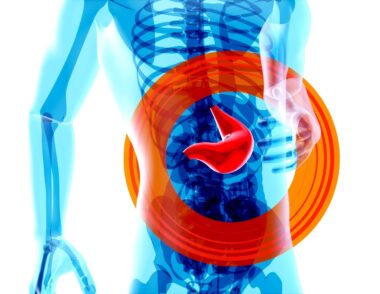

Understanding How Stress Affects Overall Well-being
Stress, an omnipresent factor in modern life, offers both physical and mental challenges. Understanding how it impacts overall well-being is crucial. Chronic stress can significantly impact our health by manifesting through various physical symptoms. Symptoms may include headaches, fatigue, and digestive issues. Financial problems, work pressure, or relationship conflicts are major stressors affecting people’s daily lives. Behavioral changes often accompany stress, such as irritability and decreased motivation. It’s often overlooked that stress can adversely impact your immune system, making one more vulnerable to infections. Developing effective stress management techniques is essential for maintaining good health. Recognizing the signs of stress can help in taking proactive steps toward alleviating it. Healthy coping mechanisms, including physical activities, mindfulness practices, and social engagement, can be transformative. These methods not only improve emotional resilience but also foster a more balanced lifestyle. Thus, understanding how stress affects health serves as a reminder to prioritize well-being. By addressing stress head-on, individuals can reclaim both their physical and mental state, contributing positively to their overall quality of life while enhancing long-term health outcomes.
Physical Health Consequences of Stress
Chronic stress can lead to significant physical health issues, which can lead to life-threatening conditions. When stress persists, the body enters a constant state of heightened alertness, commonly known as the ‘fight or flight’ response. This can cause cardiovascular problems, including hypertension and increased heart rate. Stress has also been linked to obesity, as stress-induced hormonal changes can drive unhealthy eating behaviors. Moreover, prolonged exposure to stress can impede the body’s ability to fight off disease, leading to frequent illnesses. Individuals under significant stress may experience tension in muscles, leading to stiffness and chronic pain. Gastrointestinal disturbances often arise from stress, with symptoms that may include nausea and irritable bowel syndrome. In addition to physical ailments, it’s essential to recognize that stress can exacerbate other chronic conditions such as diabetes and asthma. The interconnectedness of stress and physical health underscores the importance of managing it effectively. By implementing strategies that prioritize health and well-being, individuals can mitigate these health risks and enjoy a healthier life. Finding personalized solutions to reduce stress is key to sustaining good health.
Mental Health Implications of Stress
Mental health is deeply intertwined with stress management, particularly as stress can trigger various psychological issues. Chronic stress often manifests as anxiety and depression, affecting emotional well-being. Symptoms such as persistent worry and feelings of hopelessness are common among those who express heightened stress levels. It can become a vicious cycle, where mental health deteriorates due to ongoing stressors and vice versa. Furthermore, stress can impair cognitive functions, hindering memory and concentration. The brain’s ability to process information may reduce, significantly impacting daily activities and personal relationships. Prolonged doses of stress may also lead to substance abuse, as individuals may seek unhealthy ways to cope with their emotional challenges. Therefore, peace of mind should be viewed as a significant component of health. Effective stress reduction techniques through meditation, therapy, and relaxation exercises can combat these mental health implications. It becomes vital to recognize this relationship between stress and mental health to foster personal resilience. Committing time to strengthen mental health is advantageous not only for individual well-being but also for overall life satisfaction.
The Role of Support Systems in Stress Management
Support systems play a crucial role in effective stress management strategies, providing emotional support and practical assistance. Friends, family, and colleagues can serve as valuable sounding boards during stressful times, offering insights and advice. Sharing concerns often brings relief, allowing individuals to feel less isolated in their struggles. Social connections also encourage a positive mindset, fostering resilience against stressors. Engaging in group activities, whether through hobbies or communal interests, can help divert attention from stressors towards more pleasurable experiences. It is essential to seek out and cultivate these support systems, as they can significantly impact stress reduction efforts. Building strong relationships may involve open communications and trust and ensuring mutual understanding. Furthermore, community resources such as support groups or mental health services can provide additional avenues for guidance. Utilizing these resources effectively is vital for creating a robust support network. Individuals must proactively pursue connections, enabling a solid framework during challenging times. A supportive environment not only enhances coping mechanisms but promotes overall well-being by validating individual experiences. Building a network further enriches emotional experiences, contributing positively to health outcomes.
Healthy Coping Mechanisms for Stress
Finding effective coping mechanisms is essential in managing stress effectively, ensuring a balanced lifestyle. Different strategies yield varying results; hence, individuals must explore and discover what works for them. One approach is engaging in physical exercise, as it releases endorphins that naturally boost mood. Activities such as yoga, running, or even brisk walking can significantly reduce stress. Another effective strategy involves mindfulness practices, including meditation and deep-breathing exercises. These techniques help center focus and promote relaxation, alleviating the mind’s constant chatter. Creative pursuits, such as painting or writing, also serve to express emotions and distract from stressors. Socializing with friends or family members helps reinforce connections, providing emotional uplift. Moreover, developing a structured routine fosters predictability, reducing anxiety related to uncertainty. Healthy eating habits are equally crucial; balanced diets can combat the effects of stress. Staying hydrated and prioritizing sleep are fundamental holistic practices that contribute to stress management. Individuals must remain patient as they navigate their stress management paths, exploring different techniques and adapting them to personal preferences. By mastering these coping mechanisms, individuals can take proactive steps toward improved mental health.
The Importance of Professional Help
Sometimes, managing stress requires more than self-help techniques; professional help may be necessary. Mental health professionals can provide invaluable support through counseling or therapy, helping individuals confront underlying issues. Regular sessions equip clients with tailored strategies to better handle stress, offering coping skills that may not be self-evident. It becomes crucial to seek professional guidance when stress leads to overwhelming emotions or disruptive behaviors. Support from licensed therapists, psychologists, and counselors can create a safe environment for expressing feelings. Diagnostic evaluations by qualified professionals help identify mental health disorders, providing clarity on the way forward. Accessing group therapy settings can also encourage shared experiences, promoting deeper connections and strategies for coping. Additionally, certain conditions requiring medical treatment, such as anxiety disorders, may necessitate medication. A holistic approach is often most effective in addressing stress, combining professional help with personal strategies. Engaging with professionals can foster feelings of empowerment along a healing journey, allowing individuals to regain control over their well-being. Acknowledging the need for help demonstrates strength and commitment to living a fulfilling life. Taking this step is often the turning point toward a healthier life.
Conclusion on Stress and Health
In conclusion, understanding the profound effects of stress on health is paramount for fostering overall well-being. From physical ailments to mental health implications, stress can take a toll if left unmanaged. Identifying stressors, implementing coping strategies, and leaning on support systems are essential practices that can lead to healthier lives. The interplay between stress, health, and lifestyle emphasizes the importance of proactive measures. Mental health professionals can provide the necessary support to address deeper issues and enhance coping mechanisms. As individuals embark on their paths to stress management, a commitment to health can pave the way for a fulfilling life. It is vital to foster strong connections and engage in healthy coping techniques while remaining patient as they discover suitable practices. Awareness of how stress affects overall wellness is the first step in the journey toward improved health. By prioritizing self-care, embracing community, and understanding personal triggers, individuals can build resilience against stress. Ultimately, taking these measures plays a crucial role in enhancing both quality of life and long-term health outcomes, ensuring a balanced and harmonious existence.
Maintaining awareness about stress management is essential, enabling individuals to directly address its effects on health. By making lifestyle adjustments and prioritizing well-being, long-term benefits can be achieved.