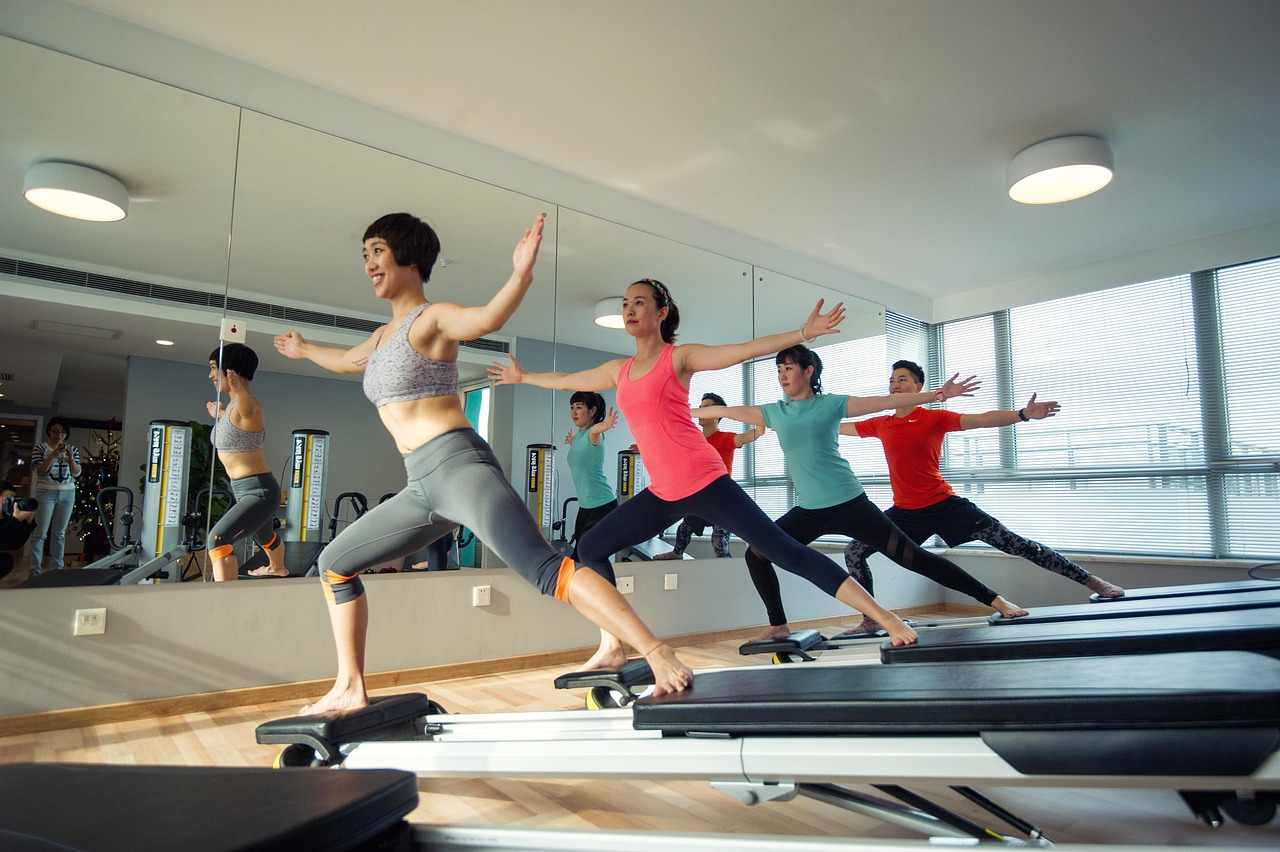

The Science Behind Pilates and Coordination Improvement
Pilates is a holistic exercise regimen that emphasizes body awareness, flexibility, and controlled movements. It is designed to improve the overall health of individuals, focusing significantly on coordination. Coordination, the ability to use different parts of the body together, can be greatly enhanced through Pilates. This discipline promotes neuromuscular control, improves balance, and aids in posture alignment. By practicing specific Pilates exercises, such as the roll-up or the hundred, practitioners strengthen their core and fine-tune their coordination. Enhanced coordination not only aids athletes but also benefits everyday tasks like walking, lifting, and performing subtle movements. Additionally, increased coordination can lead to improved athletic performance, reduced risk of injury, and better functional movement patterns. Incorporating Pilates into a fitness regimen allows for unique engagement of stabilizing muscles, enhancing overall body control. This is particularly beneficial for rehabilitative purposes. Many physical therapists now suggest incorporating Pilates in their recovery programs, as it equips individuals with tools to regain balance and mobility effectively. Improved coordination yields positive changes in how individuals interact with their body and environment.
Understanding the Mechanics of Pilates
At the core of Pilates lies a detailed understanding of body mechanics, which plays a crucial role in enhancing coordination. Pilates focuses on creating a strong foundation of core strength, which serves as the basis for dynamic movements. The exercises emphasize smooth transitions and controlled motions that improve balance. Emphasizing precise movements helps learners tune into their bodies, recognizing their physical limits while fostering body awareness. Furthermore, Pilates promotes the connection between mind and body, cultivating focus and concentration. Each movement instructs the body to work in unison while challenging differing muscle groups in new ways. As a result, these controlled exercises lead to enhanced muscle coordination and joint stability. For individuals struggling with coordination, these principles offer a safe environment to learn and adapt. Incorporating principles from Joseph Pilates, such as centering, concentration, control, and precision, aims to create harmony in whole-body movement. Thus, understanding these mechanics allows for profound improvements not only in coordination but also in overall physical well-being. Research shows that consistency in practice yields remarkable results over a short period. Soon, individuals notice improvements in their everyday motions.
One essential component of Pilates is breathing, which not only aids in relaxation but also improves coordination significantly. Practicing proper breath control aligns the body and encourages focused movement. When engaging in Pilates, each inhalation and exhalation should complement the movements performed, fostering a reciprocal relationship between breath and motion. Breath becomes a natural rhythm stuck in the background, enhancing overall performance and precision. The connection between breath and movement can alleviate tension and facilitate smoother transitions during exercises. Incorporating deep breathing allows individuals to focus internally, creating mental clarity which ultimately improves synchronization of movements. This synchronization is vital for enhanced balance, as individuals learn to move fluidly and confidently through each Pilates session. Developing an awareness of breath also aids in identifying areas of tightness or imbalance, addressing these physical issues more effectively. As participants continue to refine their breathing patterns, coordination patterns improve as well. The practice also cultivates relaxation which is conducive to learning new motor patterns, proving crucial for those seeking to enhance their coordination effectively. With dedicated practice, individuals often report feeling stronger and more coordinated during various physical activities.
The Importance of Core Strength
Core strength is a primary focus in Pilates that directly influences coordination. Strong abdominal muscles stabilize the torso and facilitate proper posture, which is essential for maintaining balance. Unstable core muscle groups often lead to inefficient movement strategies, making regular activities and exercises feel more challenging. Pilates exercises train the deep stabilizing muscles to engage, promoting functional strength that translates into daily life. Well-conditioned core muscles improve body alignment during both dynamic and static movements. Enhancing core strength through Pilates also increases stability across all joints, thus fostering better coordination. Moreover, individuals with stronger cores experience improved proprioception, the body’s ability to sense its position in space. This heightened awareness significantly impacts one’s ability to move efficiently and confidently during physical activities. When engaging in exercises like the Plank or the Teaser, individuals not only strengthen their cores but also improve their coordination by linking movements across multiple joints. Over time, consistent practice of Pilates cultivates a balanced musculature, allowing individuals to execute complex movements effortlessly. Unity between core strength and coordination fosters a sense of empowerment, helping individuals navigate their environment with newfound stability.
For those just beginning their Pilates journey, it is vital to approach coordination exercises gradually. Start with beginner-friendly movements that emphasize simple coordination patterns while focusing on alignment. Exercises like the Cat-Cow stretch or the Bridge are superb choices for novices. These movements enable beginners to connect with their bodies without overwhelming their coordination skills. As they progress, learners can gradually integrate more challenging exercises into their routines. Familiarity with foundational movements will boost confidence, thereby reducing the risk of injury and frustration. Each new exercise should build upon previous experiences, developing coordination through increasingly integrated complexes. Furthermore, attending structured classes led by certified instructors provides an invaluable learning environment. Instructors can correct form and ensure proper technique, reinforcing principles applied during Pilates sessions. Learning collaboratively enhances motivation and encourages accountability, fostering long-term adherence to Pilates practice. The community aspect also provides emotional support, increasing participants’ enjoyment of the process. As individuals discover improvement in their coordination, they can experience a newfound joy in movement. With patience and consistency, participants will witness transformation over time.
Long-Term Benefits of Pilates for Coordination
Engaging regularly in Pilates cultivates long-lasting benefits that extend beyond mere coordination improvement. As individuals enhance their balance, strength, and core stability, they often discover increased stamina and flexibility over time. With enhanced coordination, individuals may experience superior movement quality, leading to a greater sense of well-being in their everyday lives. Furthermore, practicing Pilates ignites overall body awareness, equipping individuals to respond more effectively to visual and physical challenges. This heightened awareness can result in fewer instances of falls and injuries. Essentially, Pilates offers a practical approach to maintaining physical health throughout one’s life. The low-impact nature of Pilates makes it accessible to various demographics, promoting an inclusive exercise method. Seniors, in particular, can benefit from improved stability and core strength, which are essential as they age. Additionally, younger individuals engaged in sports will find that the coordination-enhancing skills derived from Pilates can give them an edge in their athletic pursuits. Therefore, incorporating Pilates into one’s lifestyle presents a holistic advantage that nurtures longevity, adaptability, and resilience. Eventually, every practice enhances an individual’s ability to respond to life’s demands, contributing to overall quality of life.
As we have seen, Pilates serves as an effective vehicle for enhancing coordination through various practices. The intricate design of Pilates exercises focuses on whole-body integration, fostering enhanced physical awareness and connection. With core strength and breathing as integral components of practice, coordination substantially improves over time. Attending regular classes under trained professionals or utilizing instructor-led videos allows participants to stay motivated while mastering new skills. Additionally, as coordination builds, mindfulness increases, positively affecting other life areas. Regular practice fosters a sense of achievement and empowerment as individuals witness their progress. Furthermore, individuals tend to form supportive relationships within Pilates communities, which enhances their overall experience. Continuous practice not only strengthens muscles but also builds self-esteem and confidence in one’s abilities. Ultimately, benefits derived from Pilates extend beyond the mat, translating into various aspects of day-to-day life. Lives enriched by enhanced coordination and strength feel more dynamic and connected, engaging confidently in everyday movements. This holistic practice offers sustainable approaches to lifelong fitness goals while nurturing both physical and emotional well-being. Through commitment to Pilates, individuals can enjoy the rewards of improved coordination for years to come.