
Using Mindfulness to Improve Recovery and Reduce Mental Stress in Injured Athletes
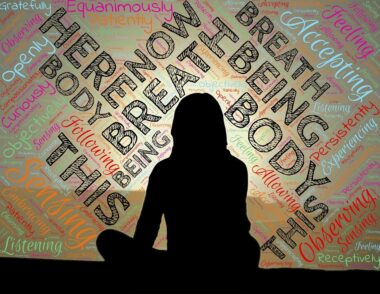
Injuries can significantly impact an athlete’s performance, leading to mental stress that complicates recovery. To combat these challenges, incorporating mindfulness practices can provide essential tools for athletes dealing with injuries. Mindfulness involves staying present, acknowledging thoughts, and managing feelings surrounding their injury. Transformative recovery can be achieved by engaging in mindfulness techniques that foster self-awareness and emotional balance. Athletes often experience anxiety from performance pressure and fear of missing out. Mindfulness provides an avenue for these athletes to acknowledge their feelings without judgment, promoting a sense of acceptance. Additionally, it encourages them to focus on what they can control, like rehabilitation exercises. Through consistent practice, resilience can flourish, which is crucial for emotional stamina. Guided imagery and deep-breathing exercises are effective mindfulness strategies that can facilitate recovery. These techniques can reduce negative thought patterns and other perceived barriers related to injury. Enhanced mental welfare leads to improved physical recovery, ultimately promoting a more positive outlook on the injury journey. When athletes make a habit of integrating mindfulness into their daily regimes, they often report less stress and find themselves better equipped for the challenges of their recovery.
A significant part of an athlete’s recovery process involves addressing the mental aspects of injury.
Mindfulness offers unique tools to assist injured athletes in navigating their emotional landscapes.
Research indicates that mindfulness can result in decreased anxiety levels, particularly beneficial in times of physical setback.
The Role of Mindfulness in Stress Management
Effective stress management is critical during injury recovery, as mental strain can hinder physical healing. Embracing mindfulness enables athletes to cultivate a calm presence, allowing them to face their injury with a balanced mindset. Techniques like meditation and body scans empower athletes to maintain focus, reducing stress levels significantly. Meditating helps quiet the mind, while body scans encourage awareness of physical sensations that may arise from pain or discomfort. Furthermore, mindfulness fosters a greater understanding of how emotions affect physical health. By observing these emotions, athletes can detach from unhelpful thought patterns, creating mental space for healing. Consistency in mindfulness practices, such as daily meditation sessions, enhances emotional regulation skills. The skills gained from mindfulness can also transcend injury recovery, positively impacting overall performance. Learning to remain present and focused will serve athletes well beyond their current struggles. Mindfulness can be a crucial factor in an athlete’s resilience, equipping them with the tools necessary to handle adversity, emotionally and physically. As recovery progresses, applying techniques learned through mindfulness can support goal setting and preparation for a return to sport.
Emotional challenges related to injury extend beyond just pain or physical limitations. Injured athletes often struggle with loss of identity.
Rediscovering Purpose Through Mindfulness
To rediscover a sense of purpose during recovery, mindfulness plays a pivotal role for athletes. Utilizing mindfulness techniques enables athletes to reconnect with their motivations and reinforce a positive mindset amid challenges. Adopting new goals can promote a focus on aspects of training that remain, fostering self-improvement. Reflection on the values that drive them in their sport serves as a motivating factor. By embracing a mindfulness attitude, athletes strengthen their ability to process their conditions with grace and commitment. Keeping a journal can also aid in tracking progress and emotions, allowing athletes to articulate their thoughts clearly. Mindfulness nurtures a sense of gratitude, helping to foster appreciation for small victories, like improved mobility or reduced discomfort. Furthermore, group mindfulness sessions can enhance feelings of community and support among injured athletes. Engaging with peers fosters sharing of experiences, promoting collective healing and encouragement. Athletes thereby also develop a support network that keeps them guided and grounded, essential during recovery periods. This approach essentially remaps their experience of injury, turning what could be a negative journey into a new purpose for enhancement and growth.
Returning to sport requires attention to both psychological and physical readiness.