
How to Develop Consistent Healthy Eating Habits
Developing consistent healthy eating habits requires a commitment to making better food choices daily. Begin by identifying your personal health goals, as knowing what you want to achieve can guide your dietary decisions. Set realistic, achievable objectives like increasing your fruit and vegetable consumption or reducing processed foods. Planning your meals weekly can significantly aid in maintaining a healthy diet. Make a grocery list before shopping to ensure you buy nutritious foods only. When you’re in the store, avoid tempting aisles filled with unhealthy snacks. Furthermore, consider preparing meals in bulk; this can save time and encourage healthier choices throughout the week. Cooking at home allows you greater control over your ingredients and portion sizes, promoting better health overall. Always stay hydrated and choose water over sugary beverages to further support your nutritional goals. Additionally, being mindful of portion sizes and practicing moderation can lead to more satisfied eating experiences. Don’t forget to listen to your body’s hunger cues to differentiate between true hunger and emotional eating, which can derail your healthy eating intentions.
A positive mindset plays a crucial role in establishing sustainable eating habits. Embrace the idea that healthy eating is a lifelong journey rather than a temporary fix. Celebrate small victories to build confidence in your new habits. For instance, if you successfully incorporate more whole grains into your meals, acknowledge this achievement and allow yourself to feel proud. Seek support from friends and family to help you remain accountable for your goals. Share your intentions and progress with them; social support can create an environment conducive to healthy choices. Consider finding a workout partner as well; exercising together can inspire you to make better food choices too. Keep a food journal to track your meals and feelings associated with eating, helping you recognize patterns and potential areas for improvement. Engage in mindful eating by paying attention to flavors and textures, which can make meals more enjoyable. Fostering a loving relationship with food will empower you to make healthier decisions without feeling deprived or guilty about your choices. Ultimately, it’s about creating balance and finding joy in the process of nourishing your body.
Building a Routine
Establishing a consistent meal routine simplifies the process of healthy eating. Aim to eat at regular intervals throughout the day, which can help maintain your energy levels and stabilize hunger. Incorporate daily breakfast, lunch, and dinner along with healthy snacks. A balanced plate typically includes proteins, whole grains, healthy fats, and plenty of fruits and vegetables. Finding meals you enjoy is crucial; experimenting with different flavors and cuisines can keep your diet diverse and exciting. Don’t hesitate to try new recipes or cooking methods to discover what works best for you. Make breakfast a priority by choosing nutritious options like oatmeal topped with fresh fruit or yogurt with nuts. For lunch and dinner, prepare vegetables alongside lean proteins such as chicken or legumes. Keep healthy snacks on hand, like nuts, yogurt, or fresh fruit, to prevent unhealthy impulse eating. Preparing meals in advance can reduce the likelihood of making poor choices during busy times. Always customize your routines based on your lifestyle, ensuring they are sustainable for you in the long term. This strategy will lead to more consistent healthy eating habits.
Engaging with your community can be another valuable facet of developing healthy eating habits. Participating in local farmers’ markets can connect you directly with fresh produce while supporting local farmers. This can inspire a greater appreciation for food quality and freshness. Sign up for cooking classes where you can learn new recipes and techniques from skilled chefs, enhancing your culinary repertoire. Join community groups focused on health and wellness, sharing ideas and tips with others who share similar goals. Online communities and forums related to healthy eating can also provide excellent advice and motivation. Consider starting a gardening project at home; growing your own vegetables and herbs can strengthen your connection with food. Gardening is an eco-friendly way to gain fresh produce, and it encourages you to nourish your body creatively. The process of planning, planting, and caring for a garden can be rewarding and educational. Engaging with like-minded individuals improves not only your knowledge but also your motivation to maintain these healthy habits.
Incorporating Variety
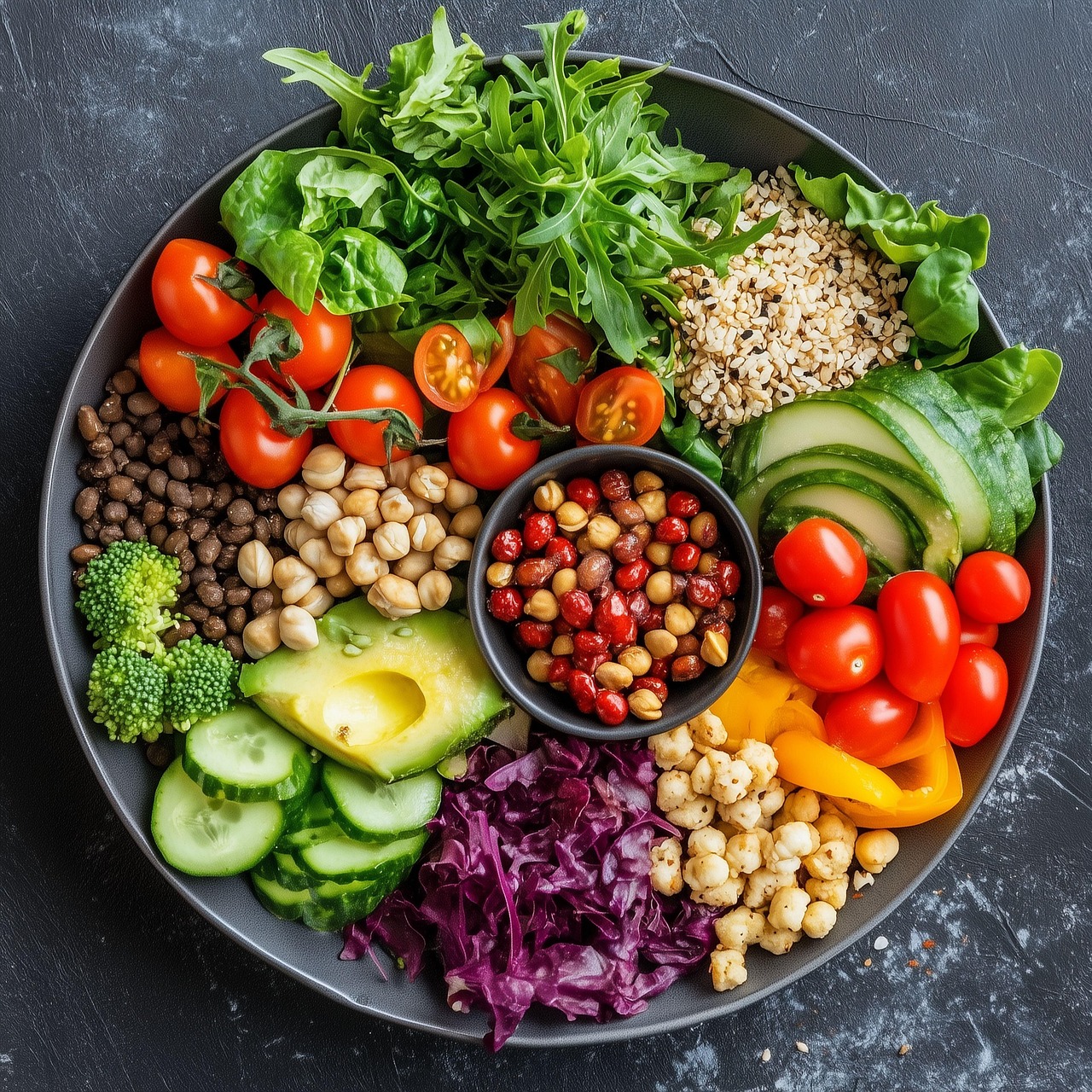
Incorporating variety into your diet is essential for maintaining long-term healthy eating habits. Eating a wide range of foods ensures you get adequate nutrients necessary for overall health. A colorful plate should consist of fruits and vegetables in various hues, a clear indicator of rich vitamins and minerals. Try different cooking techniques, such as steaming, grilling, or roasting, to enhance your meals. Explore global cuisines; this exposes you to unique ingredients and flavors while keeping mealtime fun. Be open to trying plant-based meals occasionally, as they can provide numerous health benefits. Additionally, mix foods within the same food group; for example, vary your grains between brown rice, quinoa, and barley. Experiment with various proteins too — swapping fish for tofu or chicken for legumes can boost variety. Consider becoming adventurous with spices and herbs to elevate otherwise simple dishes. Always make it a goal to try at least one new recipe each week, encouraging excitement in your kitchen. This practice transforms your eating habits positively, making it more manageable to stick to your healthy eating intentions.
Mindful eating is key to developing consistent healthy eating habits. This approach encourages you to take the time to savor your meals and recognize your body’s hunger signals. Eating slowly and without distractions can greatly enhance your mealtime experience. Participate in discussions about food and health with family or friends, deepening your appreciation for the act of eating. Chew your food thoroughly to improve digestion and taste; truly enjoy each bite instead of rushing through meals. Maintaining awareness of when you’re physically satisfied can help prevent overeating. Avoid multitasking while eating, as this can lead to consuming more than intended without realizing it. Regularly practicing gratitude before meals for the food you have can shift your mindset towards positive eating. It helps create a sense of appreciation for sustenance rather than viewing food as a daily obligation. Over time, these practices will significantly alter your relationship with food in a healthy way. Mindfulness encourages you to listen to both your body and your emotions, ensuring that you nourish yourself physically and emotionally.
Sustaining Healthy Habits
Finally, sustaining healthy eating habits requires commitment and adaptability. Understand that you may face challenges along the way; life events may influence your routine. Be kind to yourself during setbacks, as this is a natural part of growth. Reflecting on any challenges can provide invaluable insights for future adjustments. Create a plan to identify potential pitfalls and establish strategies to tackle them. For instance, if you notice you’re more likely to snack at night, consider planning healthy evening activities instead. This may distract you from unnecessary eating. Don’t forget to celebrate your successes, no matter how small, as this encourages motivation. Reward yourself for maintaining healthy habits, whether it’s treating yourself to a favorite leisure activity or investing in new workout gear. Surround yourself with supportive individuals who encourage your journey; this can significantly enhance your resolve to maintain healthy eating. Gradually, these habits will become second nature. Over time, you will establish a lifestyle that supports your health goals and promotes a healthier relationship with food.
In conclusion, developing consistent healthy eating habits is essential for overall well-being. By implementing effective strategies like meal planning, maintaining a positive mindset, and engaging with your community, you can achieve lasting change. Incorporating variety in your meals enhances both nutrition and enjoyment while practicing mindful eating can transform your relationship with food. Remember that flexibility in your approach will help you navigate challenges and stay on track. Fostering healthy habits takes time, patience, and commitment; however, the rewards are well worth the effort. As you cultivate these practices, you will notice improvements in energy levels, emotional health, and even physical wellness. Embracing healthy eating as a lifelong journey allows you to celebrate progress rather than focusing on perfection. Finally, be sure to surround yourself with supportive friends and family; their encouragement can enhance your journey towards better nutrition. With persistence and determination, creating consistent healthy eating habits is entirely possible. Start today by making small, achievable changes that align with your personal goals. Gradually, you will foster a healthier and happier lifestyle that benefits you in numerous ways.