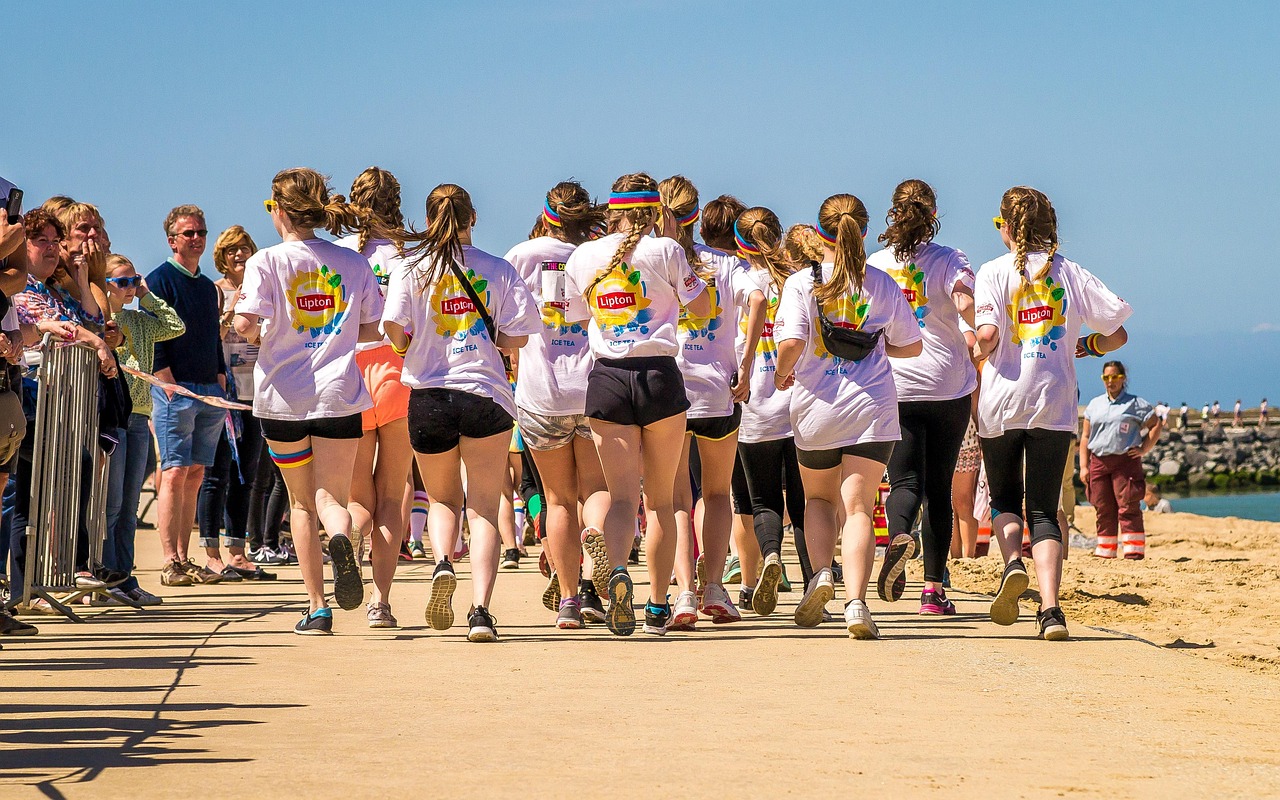

Running with a Group: Benefits for 5K Training
Engaging in a 5K training program can be a fulfilling experience, especially when approached as a group activity. Running with a community fosters motivation and accountability, which can be vital for maintaining your training schedule. One of the primary benefits of training in a group is the shared camaraderie that naturally develops among runners. This bond can encourage participants to stay consistent and committed to their running goals, paving the way for successful completion of the 5K. The support available in a group setting can help runners overcome mental barriers, making the training process more enjoyable and significantly less lonely. Additionally, training in a group often introduces friendly competition, which can stimulate improvement and push runners to achieve personal bests. In a group environment, you are less likely to skip training sessions or cut workouts short, as everyone in the group shares a similar sense of purpose. Socializing post-run, sharing experiences, and celebrating achievements together boosts morale and fosters long-lasting friendships. As a result, training for a 5K with others not only enhances performance but transforms the experience into a fun and memorable journey.
The Social Aspect of Group Running
Participating in a 5K training program alongside a group can provide various social advantages. Building relationships with fellow runners can lighten the mood, introducing laughter and conversations that make workouts more enjoyable. Training can sometimes feel like a chore, but when you run with others, it becomes an opportunity to socialize. The group dynamic can lead to the establishment of support systems where members encourage one another through challenges. These relationships foster a sense of belonging and connection, which is essential to sticking with your running routine. Running partners often motivate each other, whether it’s to reach a specific distance or to maintain a particular pace during runs. Networking with other runners can also open doors to various local events, races, or activities that might spark interest. Additionally, having a circle of friends who share a love for running can inspire you to explore new trails and courses that you might not have attempted alone. Engaging socially creates an enriching atmosphere that adds depth to your training experience, ensuring you look forward to each session.
Another considerable benefit of group running is the guidance and tips that can be shared among participants. Many experienced runners within the group are often willing to provide insight into proper running techniques, nutrition strategies, and recovery practices. These form essential parts of your training regimen, ensuring efficiency as you prepare for the 5K. Group training often means access to a wealth of collective knowledge that can enhance individual performance. For instance, runners can discuss their experiences with different types of shoes, gear, and accessories that work best for various conditions. This sharing of information helps novices gain confidence, allowing them to train more effectively. In addition, seasoned runners can offer advice on setting realistic goals and avoiding burnout. Learning from others’ successes and failures equips all participants with valuable lessons that benefit everyone in the group. Ultimately, this culture of knowledge sharing enriches the group experience, making each training session not just a workout but also an informative gathering. Helping one another leads to both personal and collective growth, a fundamental aspect of community running.
Structured Workouts and Variety
Team workouts during group training for a 5K often come with structured plans that provide variety. Many runners find that following a specific routine keeps them motivated and engaged. When training with a group, it’s common for sessions to include intervals, tempo runs, hill workouts, and long runs, providing a well-rounded approach to fitness. This division of workouts allows participants to develop different aspects of their running game, maximizing their potential to perform well in the race. Moreover, varied workout types can prevent burnout and exhaustion, essential for maintaining a consistent training schedule. When repetition occurs in a solo training program, boredom can set in, leading to decreased motivation. In contrast, running with others introduces elements of fun and unpredictability into workouts. Group settings often involve dynamic sessions that feel less tedious, allowing participants to build endurance while enjoying their time with others. This during training can keep motivation levels high. It also enhances overall fitness levels while preparing you effectively for the 5K. Knowing others depend on your participation can make structured sessions something to look forward to.
Another advantage of running with a group is the safety factor it brings. Having multiple people in your training group offers an increased sense of security, especially when running in less populated areas or during early morning or late evening sessions. Running alone can have its risks, but with a group, there’s visibly higher safety. In addition, members can keep an eye on each other’s well-being, ensuring no one overexerts themselves or suffers from fatigue without noticing. Safety extends beyond just physical threats; it encompasses overall wellness. For instance, when someone is ill or feeling under the weather, a caring running group can provide encouragement to focus on healing instead of pushing through. Moreover, the presence of others can inspire confidence during runs, especially in tough conditions such as unfavorable weather or difficult terrains. Being part of a group can make these challenges feel more manageable, as others are experiencing similar conditions. Thus, the safety and reassurance that comes from running in a group is invaluable, aiding not just performance but also the mental readiness to train.
Preparing Mentally for the 5K
Training in a group can significantly improve your mental preparedness for race day. The psychological aspects of running underscore its demanding nature, particularly for distances like 5Ks, where pacing and endurance are crucial. The collective mentality fostered in group training can build resilience among participants. You are likely to experience tough days along the journey, and surrounding yourself with others to share those moments can make a huge difference. Group training sessions often build camaraderie that enhances motivation, which is pivotal for pushing through mentally challenging workouts. Additionally, the friendships developed during training can positively influence mental state on race day. If you’ve built relationships built on support and encouragement, it can reduce pre-race anxiety. Knowing that others believe in your abilities provides confidence that may not be present when training alone. Group dynamics during workouts can simulate the race environment, allowing runners to adapt to the mental and emotional demands they will face. Practicing how to manage these conditions successfully can lead to better performance and enjoyment when the race day arrives.
Lastly, celebrating achievements as a group can significantly enhance the joy of completing a 5K training program. The progress made during the training phase can often feel monumental, and having a team to share these victories only amplifies that sense of accomplishment. Group members can celebrate each milestone, whether it’s running a specific distance for the first time or achieving a personal best time. Recognizing these moments creates bonds and builds morale among the group. This shared celebration often extends beyond training into personal lives, creating lasting friendships. After completing the actual race, coming together as a team to reflect on experiences is rewarding. Sharing reflections can deepen relationships, allowing participants to express gratitude for the support and encouragement offered along the way. Group members often form traditions to acknowledge successes, be it going for a celebratory meal or engaging in post-race fun activities. This practice reinforces social connections and provides motivation for future training programs or races. Ultimately, training and running together culminates in cherished memories that enhance the overall 5K experience.