
Adaptive Swimming for Children with Special Needs
Adaptive swimming is an essential activity for children with special needs, providing numerous benefits. This form of swimming enables children to build their confidence while having fun in the water. Importantly, it fosters social skills by allowing children to interact with peers during classes. The focus is on adaptability, ensuring each child’s unique requirements are met through tailored instructional approaches. Experienced instructors enhance this process, making it possible for all children to enjoy the aquatic environment. Sessions often incorporate various teaching aids, making learning easier and more engaging. Safety is a paramount concern; therefore, qualified lifeguards and instructors supervise the sessions diligently. Parents play a critical role in encouraging their children to participate, emphasizing the importance of engagement. Overall, adaptive swimming offers therapeutic advantages such as improved motor skills and balance. It can also lessen anxiety related to water environments. Parents are often encouraged to explore local facilities that offer specific adaptive programs tailored for children with disabilities. Detailed assessments by instructors can further help in customizing swimming techniques for individual needs. Get involved today to witness the transformative effects of swimming on your child’s development.
Children with various disabilities can benefit significantly from adaptive swimming. The benefits are both physical and psychological, enhancing overall well-being. Physical advantages include improved cardiovascular health, muscle tone, and flexibility, making it an excellent form of exercise. Psychologically, swimming provides a sense of achievement and independence as children learn new skills. By navigating the water, they gain confidence and self-esteem in a supportive environment. Swimming also fosters social interaction among peers, encouraging teamwork and communication during group sessions. Adaptive swimming programs are designed with the utmost care, considering each child’s unique capabilities. These programs allow children to practice essential water safety skills, which can be crucial in emergencies. The long-term goal involves integrating adaptive swimming into regular community pools or swimming facilities, expanding access. Furthermore, the impact of parental support cannot be understated. Encouragement from family members inspires children to persist, transforming fears into enjoyment. Each achievement, regardless of size, is celebrated, reinforcing their progress. As children continue to participate, they may discover a passion for swimming, providing a lifelong activity that promotes health and camaraderie.
Techniques for Effective Adaptive Swimming
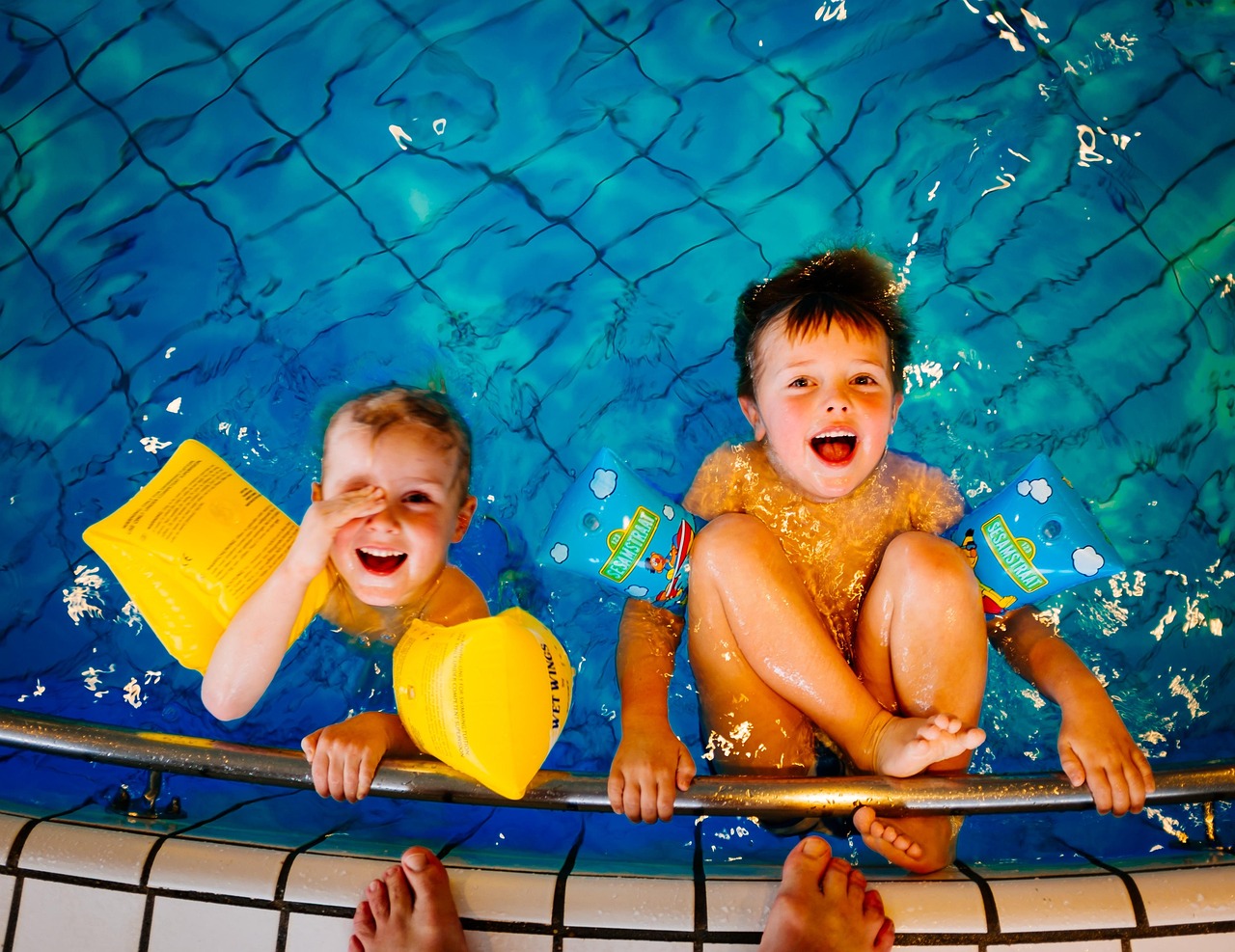
Effective adaptive swimming techniques are crucial for ensuring children flourish in the water. Instructors utilize various strategies to accommodate individual needs, such as providing flotation devices or specialized equipment. These tools promote buoyancy and safety, allowing children to focus on developing their swim skills. Techniques may include one-on-one training sessions or small group classes, providing personalized attention. Instructors frequently employ visual aids and demonstrations to enhance learning and understanding. Moreover, creating a welcoming atmosphere is essential; children should feel supported and encouraged throughout the process. Consistency is key in implementing these adaptive techniques, allowing children to gradually build upon their skills. The use of positive reinforcement significantly boosts motivation, ensuring a positive experience. Additionally, incorporating games and fun activities into swimming practice keeps children engaged, promoting joyful learning. Instructors often collaborate with therapists or other specialists to develop comprehensive teaching approaches that consider the specific needs of each child. Patience and understanding are necessary qualities of instructors, as progress may vary significantly among children. Families should also communicate with instructors to share insights about their child’s preferences, helping fine-tune swimming lessons effectively.
The importance of safety in adaptive swimming cannot be overstated. A safe environment ensures that children can learn without distractions or risks while enjoying their swimming experience. Instructors are trained to recognize the unique challenges that children with special needs may face in water. This includes ensuring proper supervision ratios, with an adequate number of staff per child. Lifeguards are stationed during all swimming lessons, monitoring activities closely to prevent accidents. Emergency protocols are established, so everyone involved knows how to respond swiftly if needed. Additionally, facilities often provide accessible changing rooms, ramps, and shallow areas to accommodate all children. Regular safety drills are conducted, familiarizing children with emergency procedures, further enhancing their comfort. Parents are invited to participate in these sessions, providing them insight into the swimming program. They also help reinforce safety practices, ensuring that children understand their responsibilities in water. Establishing trust with instructors and fellow participants is essential, as this enhances children’s willingness to engage actively in lessons. Clear communication about the objectives of swimming classes promotes a collaborative learning environment, increasing overall safety while enhancing the sense of community.
Community Involvement and Support
Engaging the community is vital for the success of adaptive swimming programs. Local organizations can help by raising awareness and providing resources for families and facilitators. This support can include fundraising efforts to enhance facilities and offer scholarships for families needing financial assistance. Recruit volunteers from the community who are passionate about swimming, fostering a sense of togetherness. Testimonials from families benefiting from such programs can significantly impact local perceptions, encouraging further participation. Hosting events like swimming showcases can celebrate achievements and raise funds simultaneously. Parents, guardians, and siblings can actively participate; showcasing their children’s progress boosts morale and encourages continued involvement. Collaboration with schools is another effective strategy, where joint programs can introduce swimming as a regular part of physical education. Advocacy for more inclusion of special needs programs in public swimming facilities is crucial. Utilizing social media platforms to share success stories can expand community engagement further. Building relationships with health professionals ensures children receive holistic support tailored to their needs. A network of community members committed to adaptive swim initiatives can create lasting impacts on families and promote social inclusion.
Long-term benefits of adaptive swimming extend beyond immediate physical and social skill development. Children in successful programs often carry improved self-regulation skills and resilience throughout their lives. As they master swimming techniques, they develop a strong sense of empowerment, equipping them with essential life skills. Swimming serves as an outlet for self-expression, allowing children to feel free and uncensored in an aquatic environment. There is increasing evidence that regular participation in aquatic activities enhances overall mental health, contributing to reduced feelings of anxiety and depression. Moreover, the physical demands of swimming require consistency and determination, fostering a growth mindset among participants. They learn the value of perseverance, not only in swimming but in other areas of their lives. Additionally, participation in community events and competitions can elevate children’s sense of belonging while improving their motivation to succeed. Parents may also find themselves becoming advocates for inclusivity in various environments, influencing policies and practices surrounding special needs. Empowered by their swimming experiences, children are more likely to engage in additional extracurricular activities, enriching their social lives further and leading to healthier lifestyles.
Conclusion: The Future of Adaptive Swimming
The future of adaptive swimming looks promising with a growing awareness of its advantages for children with special needs. Training programs for instructors are expanding, emphasizing techniques that cultivate inclusivity. More facilities are recognizing the necessity of adaptive swimming programs, leading to increased opportunities for children. Local governments are also beginning to support initiatives enabling wider accessibility for aquatic programs. Families are encouraged to continue advocating for their children’s needs and participating in swimming activities. Empowering children through swimming allows them to embrace their abilities, fostering long-lasting benefits. The shared camaraderie in adaptive swimming not only strengthens friendships but also creates lasting memories. As communities commit to building inclusive environments, the transformative effects of adaptive swimming will be more recognized. By encouraging participation in adaptive swimming, families can help reduce stigma, promote understanding, and embrace differences among individuals. Developing strategies to integrate adaptive swimming into existing programs will support children’s social and emotional growth. Ultimately, the aim is to cultivate a culture of acceptance and empowerment within the realm of aquatic activities, ensuring every child enjoys and thrives in the water.
Adaptive swimming is an exciting and rewarding experience for children, ensuring all can enjoy the joys of the water. To learn more about local adaptive swimming programs, visit the Special Olympics website. Here, you can find resources, information, and connections to communities dedicated to supporting adaptive swimming initiatives.