
Romanian Deadlift Form: Visual Guide to Prevent Injury
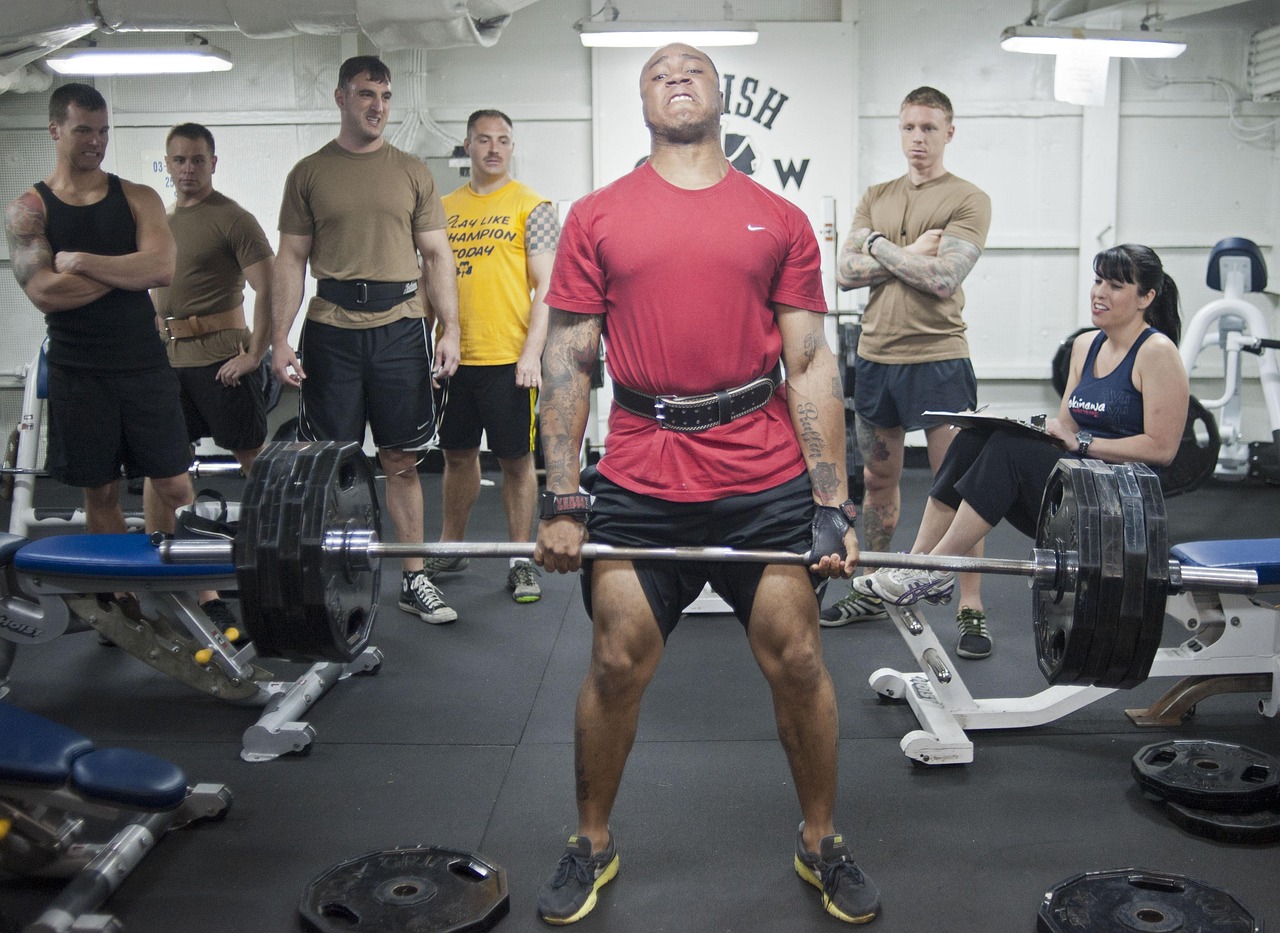
The Romanian deadlift is a highly effective exercise that targets the posterior chain, including the hamstrings, glutes, and lower back. However, correct form is crucial to avoid injury. Begin by standing with your feet hip-width apart, holding a barbell or dumbbells in front of you. Your grip should be just outside your legs. Engage your core to help stabilize your spine. As you lower the weights, hinge at the hips while keeping your knees slightly bent. This hip hinge allows you to maintain proper back positioning throughout the movement. Maintain a neutral spine to avoid rounding your back, which can lead to injury. Your torso should lean forward while your hips move back, and the barbell should stay close to your body. It is vital to lower the weights only to mid-shin level or until you feel a stretch in your hamstrings. Before returning to the starting position, focus on pushing through your heels and engaging your glutes. This will ensure a safe and effective repetition of the Romanian deadlift. Practicing these steps will enhance your form and minimize injury risk.
Another critical component of mastering the Romanian deadlift involves the breathing technique. Proper breathing not only supports your performance but also helps maintain abdominal pressure, which is essential for spinal stability during heavy lifts. At the start of the movement, take a deep breath and brace your core. Hold your breath as you lower the weights, which increases intra-abdominal pressure and offers better support to your spine. As you lift the weights back to the starting position, exhale forcefully. This breathing pattern provides stability and boosts overall performance. Additionally, a controlled tempo is necessary for this deadlift variation. Ensure that the descent is slow, allowing you to focus on engaging your hamstrings and glutes effectively. The ascent should also be deliberate, avoiding any jerking motions that can lead to accidents. Before advancing to heavier weights, practice this tempo with lighter weights to master the movement mechanics. Monitoring these aspects of your Romanian deadlift can make a significant difference in your lifting success. Consistently applying these techniques will lead to strength gains while keeping injuries at bay.
Common Mistakes in Romanian Deadlift
Understanding the common mistakes in Romanian deadlift form is essential for injury prevention and optimal performance. One frequent error is allowing the barbell to drift away from the body as you lower it. This not only shifts strain away from your muscles but also places unnecessary load on your lower back. Always keep the weights close to your body, as this permits efficient lifting mechanics and minimizes injury risk. Another mistake is rounding the back during the lift. This position compromises spinal integrity and can lead to serious injuries over time. Ensure a neutral spine by pulling your shoulder blades back and down. Furthermore, some lifters fail to engage their glutes adequately. The Romanian deadlift should activate the glutes significantly at the top of the movement, so focus on squeezing them together. Finally, poor balance and stance can lead to instability while executing the Romanian deadlift. Ensure that your feet are firmly planted on the ground, hip-width apart, and flat. Practicing with perfect form will help you avoid injury and maximize results in your weightlifting journey.
The Romanian deadlift is often misunderstood as just another deadlift variation; however, it has unique benefits that set it apart. Unlike traditional deadlifts, this movement emphasizes hip hinging, promoting hamstring and glute engagement. This specific focus makes it an excellent exercise for improving athletic performance, stability, and flexibility. Additionally, this exercise is perfect for developing strength in the lower back, helping to prevent injuries in other lifts. Building this strength can lead to improved performance in various sports and activities, making it highly versatile. If you find yourself struggling with conventional deadlifts, consider incorporating Romanian deadlifts into your routine. They can serve as an effective accessory lift to enhance overall strength and body mechanics. By targeting the specific muscle groups involved in deadlifting, you will create a solid foundation for progressing to more complex lifts. Over time, with consistent practice, you’ll notice enhancements in your mobility, strength, and muscle definition. Pair Romanian deadlifts with other lower body exercises to maximize your strength training program and see faster results.
Choosing the Right Weight
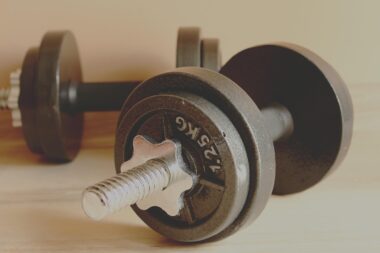
Choosing the right weight for your Romanian deadlift is crucial to ensure safety and effectiveness throughout your workout regimen. Beginners should start with lighter weights, such as a barbell without additional plates or just a pair of dumbbells. This approach allows you to concentrate on mastering the form without the added strain of heavy weights. Focus on achieving the correct movement pattern before progressing to heavier loads. Once you have honed your technique, gradually increase the weight while maintaining proper form. It is helpful to use the last few repetitions as a gauge for selecting appropriate resistance; you should feel challenged but still able to complete them with excellent form. Avoid the temptation to lift heavy weights prematurely, as this can lead to injuries. Additionally, incorporating variations, such as a single-leg Romanian deadlift, can help build stabilization and strength without compromising form. Always listen to your body and consult with a trainer if necessary when adjusting your workout to include heavier weights.
Incorporating visual guidance can immensely benefit your practice of the Romanian deadlift. Watching video tutorials and demonstrations allows you to observe proper form and alignment, making it easier to understand the nuances of the exercise. Many reputable fitness channels and woodlifting platforms offer valuable insights into the correct execution of this lift. Pay close attention to experienced lifters as they perform every phase of the deadlift. Notice their body posture, hip movements, and breathing techniques during the lifts. By observing these details, you will better grasp essential elements that contribute to a successful lift. Moreover, video tutorials can clarify common misconceptions and problem areas. They highlight significant mistakes that could lead to poor performance and injuries. As you watch these videos, take notes on key points, and replicate them during your workouts. Additionally, recording your practice sessions can help you identify areas for improvement in your form. Combining visual learning with expert advice will accelerate your progress, making mastering the Romanian deadlift achievable.
Final Thoughts
In conclusion, mastering the Romanian deadlift is a rewarding and beneficial process for any weightlifter. By focusing on form, stability, and strength-building techniques, you’ll significantly reduce the risk of injuries while enhancing your performance in other lifts. Start with lighter weights, ensure you maintain the correct posture, and incorporate breathing techniques to support your lifting. Regularly revisit the fundamentals, and don’t hesitate to seek guidance from experienced trainers when needed. Progressing gradually and using video resources can significantly contribute to your success with Romanian deadlifts. Remember, every lifter is unique, and what works for one may not work for another, so tailor your training to suit your individual needs. Train smartly and consistently to get the best results from your efforts. Embrace this powerful exercise as a key component of your strength training regimen. Achieve your fitness goals while maintaining a strong foundation for long-term health and wellness through consistent practice and dedication.