
How to Track KPIs for Group Fitness Classes
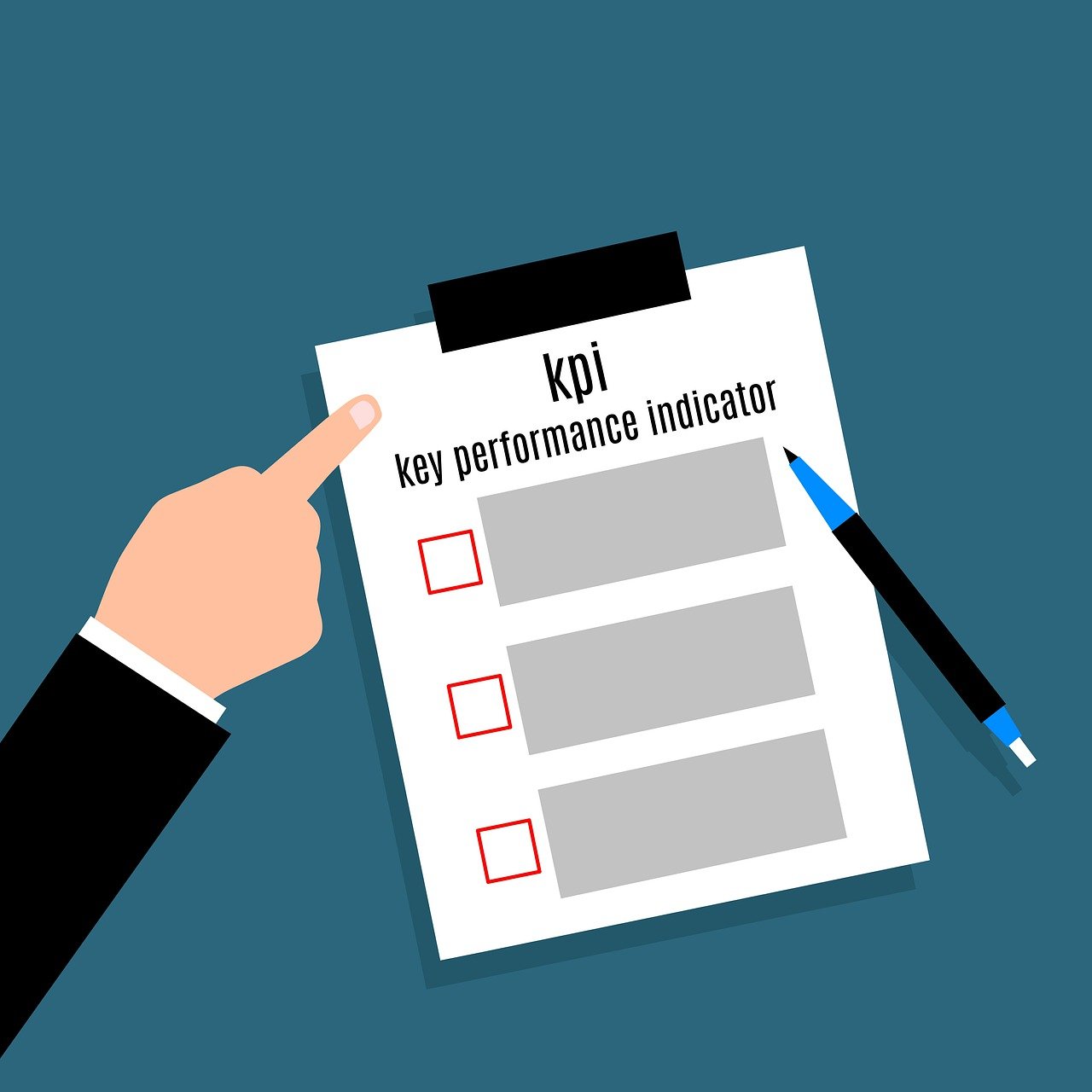
Tracking Key Performance Indicators (KPIs) for group fitness classes is essential for evaluating success. KPIs provide measurable values that demonstrate how effectively fitness programs are achieving key objectives. They assist instructors in identifying trends, understanding participant motivation, and facilitating improvement strategies. To begin, instructors need to establish clear, relevant KPIs tailored to their specific classes and participants. Common KPIs for group fitness classes include attendance numbers, participant retention rates, overall satisfaction scores, and fitness achievement milestones. Setting these metrics is the first step toward a data-driven approach for growth. Furthermore, using digital platforms can enhance tracking and monitoring efforts. Technologies such as fitness apps and management software simplify data collection and analysis, leading to informed decisions. For instance, tracking attendance allows for insights into popular class times and instructor effectiveness. Regularly assessing these KPIs can help fitness programs adapt to changes in participant preferences, thus enhancing overall satisfaction. Ultimately, understanding these metrics will empower instructors, leading to continuous improvement and increased engagement in fitness classes.
Another effective way to analyze KPIs is by implementing feedback mechanisms. Obtaining feedback from participants after each class can reveal valuable insights about their experiences. Tools such as surveys or suggestion boxes encourage honest communication between participants and instructors. Instructors can gather quantitative data through rating scales and qualitative data from open-ended questions. This feedback loop not only helps in tracking satisfaction but also in identifying specific areas for improvement. For instance, questions addressing workout intensity or class structure can highlight what resonates well with participants. Additionally, reviewing the class environment—such as cleanliness and equipment quality—is crucial. Supportive feedback enables instructors to make necessary adjustments to meet participants’ needs appropriately. Additionally, utilizing social media as a constructive feedback channel can enhance community engagement. Encouraging members to share their progress online fosters motivation and builds a supportive community. Remember, tracking KPIs isn’t solely about numbers; it’s about understanding the story behind those metrics. Continuously engaging with participants results in informed decisions that positively impact retention rates and class satisfaction.
Utilizing Technology for KPI Tracking
Modern technology offers innovative solutions for tracking and examining KPIs in group fitness classes. Many fitness studios now utilize management software that integrates membership records, attendance tracking, and participant feedback. Such systems provide instructors with access to historical data, allowing them to view trends and patterns quickly. Moreover, collecting real-time data can assist in improving class delivery and participant interaction. For instance, wearable fitness technology can provide insights into class performance metrics like heart rate and calories burned. Integrating this data with class attendance creates a more comprehensive overview of participant engagement and outcomes. Thus, leveraging technology not only ensures accurate data collection but also increases participant accountability. Furthermore, many platforms allow instructors to communicate regular updates like class schedules, changes, and upcoming events swiftly. These channels help in maintaining participant engagement and ensuring transparency. Collectively, using software to track KPIs can significantly enhance the decision-making process for instructors, ultimately leading to tailored experiences that benefit everyone involved in the fitness program.
Furthermore, analyzing demographics can yield valuable insights into member engagement and class effectiveness. Understanding participant demographics—such as age, fitness level, and interests—allows instructors to tailor class offerings to better meet their target audience’s needs. For example, a younger demographic might enjoy high-energy classes like Zumba, while an older population may prefer low-impact Pilates. Detailed demographic tracking enables instructors to refine their program offerings by willfully designing classes that cater to specific interests and capabilities. This approach leads to improved retention rates and greater overall satisfaction. Seasonality is another factor to consider when analyzing KPIs. Noting fluctuations in attendance due to seasonal changes, holidays, or events can provide insight into participation patterns. For instance, classes may be less attended during summer vacations or winter holidays. Recognizing these trends helps instructors develop promotional strategies during low attendance periods. Adjusting KPIs based on demographic insights and seasonal trends keeps the fitness program relevant and engaging for all participants, ensuring long-term success.
Setting and Adjusting Goals
Establishing clear goals based on KPIs is essential for effective tracking. Goals should be Specific, Measurable, Achievable, Relevant, and Time-bound (SMART). By setting SMART goals, fitness instructors can define precise objectives that guide their strategies. For example, an instructor might aim to increase class attendance by 15% over the next three months. Once established, these goals must be regularly assessed to determine progress. Reviewing KPIs allows instructors to gauge success and make necessary adjustments to meet their objectives. If attendance targets are not being met, instructors should investigate underlying causes such as class scheduling, promotional efforts, or instructor engagement. Adapting strategies based on KPI analysis fosters a culture of continuous improvement. Moreover, setting short-term and long-term goals helps keep participants motivated. Celebrating milestones, whether it’s reaching a certain attendance number or participant fitness achievements, fosters a positive environment and encourages continued engagement. Ultimately, tracking KPIs and adjusting goals leads to enhanced class offerings that resonate with participants and contribute to sustained success for fitness programs.
In addition to attendance and satisfaction metrics, assessing instructor performance is another critical KPI. The quality of instruction significantly affects participant retention and engagement. Performance evaluations can include feedback from participants, observational assessments, and ongoing professional development. Regular instructor evaluations encourage continuous learning and improvement, benefiting both the instructor and participants. Furthermore, understanding how instructors contribute to class outcomes can help in determining best practices that enhance the overall experience. Providing continuous support for instructor growth—through workshops, certifications, or peer reviews—ensures high-quality instruction that resonates with participants. Key Performance Indicators should also encompass the physical outcomes of participants. Tracking progress in measurable domains such as weight loss, endurance, strength, or flexibility creates an effective way to affirm the value of attendance. Celebrating participant achievements elevates motivation and reinforces the importance of goal-setting within fitness classes. When participants see tangible results from their efforts, they are more likely to remain engaged and committed to their fitness journey. Thus, evaluating instructor performance along with participant outcomes leads to a well-rounded assessment of class effectiveness.
Continuous Improvement Through Feedback
Leveraging feedback not only enhances KPIs but also allows for a community-oriented approach to group fitness. Creating an environment where constructive feedback is valued fosters open communication and trust among participants and instructors. Regularly engaging participants in feedback sessions encourages transparency and makes them feel more invested in their fitness journey. Instructors should consider implementing periodic workshops or open forums where participants can share their experiences and offer suggestions for improvement. By actively listening to participant feedback, instructors can enhance class offerings that resonate with their audience. Furthermore, utilizing anonymous feedback tools reduces hesitation in sharing honest opinions. Understanding participant preferences through surveys can help in shaping future class content and structure. This participatory approach ensures that participants feel valued and acknowledged, increasing their loyalty and motivation. When participants see their suggestions implemented—be it through class modifications, new program offerings, or improved scheduling—they are more likely to remain engaged. Continuous improvement through participant feedback ultimately contributes to a thriving community and enhances the overall success of group fitness classes.
In conclusion, tracking KPIs effectively transforms group fitness classes, empowering instructors and benefiting participants. By understanding and analyzing performance metrics such as attendance, instructor effectiveness, retention rates, and participant feedback, instructors can adopt data-driven approaches to enhance their offerings. Establishing goals that are specific and measurable keeps instructors focused while assessing progress ensures accountability. Additionally, leveraging technology for real-time data collection and analysis ensures accuracy and efficiency. Exploring participant demographics and fitness outcomes, allows for tailored programs that cater to specific needs and interests. Engaging participants through continuous feedback fosters improvement and encourages loyalty. Ultimately, the systematic tracking and evaluation of KPIs contribute to significant growth in participant engagement and satisfaction. Through these strategies, group fitness classes can not only meet their objectives but also create a supportive and motivational environment for all participants. Creating this environment empowers individuals to pursue their fitness goals while building a sense of community, thus enabling long-term success for fitness studios. As the fitness industry evolves, continuously adapting strategies and KPIs will ensure that group fitness classes remain effective avenues for participant health and wellness.