
Using Foam Rollers for CrossFit Mobility Enhancement
Foam rollers have become essential tools for athletes looking to enhance their mobility, especially in CrossFit. Incorporating them into your routine can significantly improve recovery and prevent injury. A foam roller works by applying pressure on specific muscles, aiding in the release of tension. This practice, known as self-myofascial release, helps to break up adhesions and improve blood flow. As a CrossFit athlete, you subject your body to intense workouts. By using foam rollers, you help your muscles recover faster and maintain optimal flexibility. This flexibility is crucial for executing movements efficiently and safely. Moreover, foam rolling is quick and can be performed almost anywhere, making it a convenient option post-workout. To maximize results, you should target key areas such as the quads, hamstrings, glutes, and back. Not all foam rollers are the same; some offer more density and texture for deeper pressure. Consider your comfort level when selecting one. A targeted foam roller routine not only enhances mobility, but also boosts overall performance. Thus, it becomes an indispensable weapon in your training arsenal.
Moving onto specific techniques, there are several effective foam roller exercises tailored for CrossFit athletes. Initiating the process with your quads is beneficial; lie face down and place the roller underneath your thighs. Slowly roll from your hip to your knee, engaging your core for stability. Watch out for tender spots—when you find one, pause and maintain the pressure for about 30 seconds. This technique helps loosen up tight areas effectively. Next, shift your focus to the hamstrings. Sit on the roller and place one leg over it while you roll between your knee and glute. Finally, for your back, lay the roller horizontally under your upper spine. While lying back, keep your knees bent and feet flat on the ground. Perform controlled rolling motions, right up to your shoulder blades. Always remember to breathe deeply, as this facilitates muscle relaxation. Integrating these specific techniques into your routine enhances mobility in areas regularly under stress during CrossFit workouts. Letting your muscles recover effectively is fundamental to continuously improving your strength and stamina.
Understanding Muscle Recovery
Recovery is a critical component of any fitness program, especially in CrossFit, due to its high-intensity nature. The more effectively you recover, the better your performance will be in subsequent workouts. Foam rolling contributes to this recovery process by increasing circulation, which helps to alleviate soreness and stiffness. Moreover, it can effectively reduce the occurrence of delayed onset muscle soreness (DOMS), a common issue among CrossFitters. The pressure applied through foam rolling helps flush out lactic acid and other metabolic waste products stored in the muscles after intense training. This process ensures that your body is primed for your next workout session without lingering fatigue. It’s advisable to engage in foam rolling post-exercise, dedicating a few minutes to muscle groups that experienced the most strain. Over time, consistent use of foam rollers can lead to notable improvements in range of motion and flexibility, crucial for Olympic lifts and other CrossFit movements. Incorporate foam rolling sessions into your rest days too, as this supports overall recovery. A well-rounded recovery plan should include hydration, nutrition, rest, and, of course, foam rolling.
Incorporating foam rollers into your pre-workout routine can also stimulate your muscles for performance. It not only warms up your body but also increases your range of motion prior to engaging in lifts and high-intensity workouts. Use the foam roller to focus on the major muscle groups involved in your planned workout. For example, if your workout includes heavy squats, spend additional time rolling out your quads and glutes. Pre-emptively loosening these muscle groups enhances your ability to squat deeper and with better form. Additionally, foam rolling can help activate the nervous system, preparing it for the incoming physical demands. As a result, not only can foam rolling enhance performance, but it also reduces injury risks by preparing your muscles for work. It’s essential to maintain a balance between performing foam rolling and gradually increasing workout intensity. Too much rolling can lead to a false sense of readiness, potentially mask your actual fatigue levels. Therefore, finding that sweet spot of rolling requires patience and tuning into your body’s needs during your training sessions.
The Right Foam Roller for You
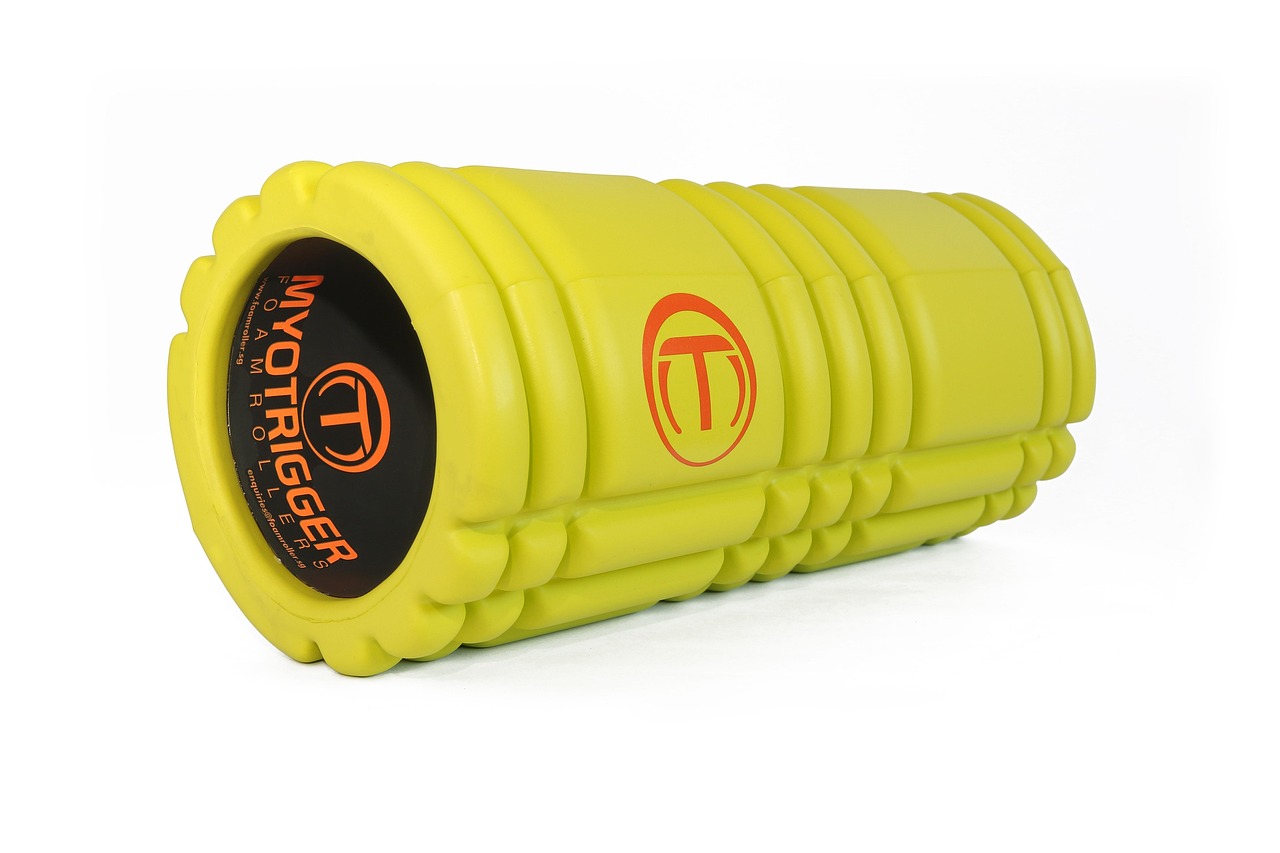
Choosing the right foam roller is paramount for achieving your desired results during mobility enhancement. Foam rollers range in density and texture, which can influence the effectiveness of your experience. Beginners may prefer softer foam rollers, as they provide more comfort while getting used to the sensation. As you become accustomed to their use, transitioning to firmer rollers can intensify the benefits. Some roller designs feature knots or ridges for targeted pressure; these can address deeper muscle layers—ideal for specific knots. Another important consideration is size. Longer rollers are great for bigger muscle groups, while smaller ones are more portable and suitable for targeting smaller areas. Don’t hesitate to invest in different types for versatility. Remember that everyone’s pain tolerance levels vary; a roller that is too hard may discourage consistency. This may hinder your mobility journey, so select what feels feasible for you. Regularly experiment with various applications and foam rollers to find what yields optimal results for your recovery and overall performance in CrossFit. Properly utilizing your foam roller can unlock improved mobility and enhanced performance.
Consistency is key when it comes to foam rolling and mobility improvement. The benefits do not materialize overnight but require ongoing commitment to your practice. Aim to include foam rolling in your daily routine, allocating at least five to ten minutes each session. Frequent use leads to a faster decrease in tension and improves your flexibility over time. Furthermore, tracking your progress can provide motivation as you become more aware of changes in your body. Consider taking notes on how your mobility feels during workouts after foam rolling sessions. This self-assessment allows you to recognize growth and further cultivate positive habits that contribute to your performance goals. Pairing foam rolling with other recovery methods, such as stretching and proper nutrition, accelerates overall progress. As with anything in fitness, the journey requires time, dedication, and patience. Continue experimenting with foam rolling techniques, making necessary adjustments to find what works best for you. Enjoy the process; after all, enhancing mobility and recovery ultimately leads to improved CrossFit performance and a healthier, more resilient body.
Conclusion: Elevate Your CrossFit Game
Foam rollers play a vital role in enhancing mobility, recovery, and performance for CrossFit enthusiasts. Incorporating foam rolling into your training routine leads to improved flexibility, decreased injury risks, and quicker recovery times. With a variety of techniques available, you can target specific areas, addressing any soreness resulting from the high-intensity workouts inherent to CrossFit. By placing emphasis on muscle recovery, foam rolling becomes an invaluable asset in running or lifting sessions. Make sure to invest time in choosing the right foam roller. This option should be comfortable while still offering sufficient pressure on key muscle groups. Committing to consistent foam rolling practice can unleash a new potential in your CrossFit journey. Remember that recovery is just as essential as the workouts themselves; don’t overlook the performance-enhancing benefits foam rolling provides. Treat your body well, and it will reward you with increased capabilities. Embracing this holistic approach to training ensures longevity in the sport. So, roll away the tension and step into your next workout session ready to exceed your limits!
Make the most of your CrossFit experience by implementing the techniques outlined. Seek guidance from coaches or certified trainers if necessary to tailor your foam rolling practice specifically to your needs. Education on muscle anatomy and the significance of foam rolling can enhance your understanding, motivating you to remain dedicated to your recovery. Always stay open to learning new foam rolling methods and incorporating them into your mobility routine. Adjusting your approach ensures you maximize the benefits depending on your training cycle or performance goals. Networking with fellow CrossFitters about their experiences can yield valuable insights, especially if they’ve encountered similar issues. This community aspect fosters encouragement, accountability, and shared growth, enhancing everyone involved. Whether you train in a box or outdoors, remember that your self-care routine significantly impacts your athletic performance. Prioritizing mobility through foam rolling can serve as a game-changer, helping you reach new heights in your CrossFit journey. Commit to this practice, and be consistent; your body will thank you with improved performance and enhanced overall fitness.