
How Strength Training Can Improve Health and Longevity in Seniors
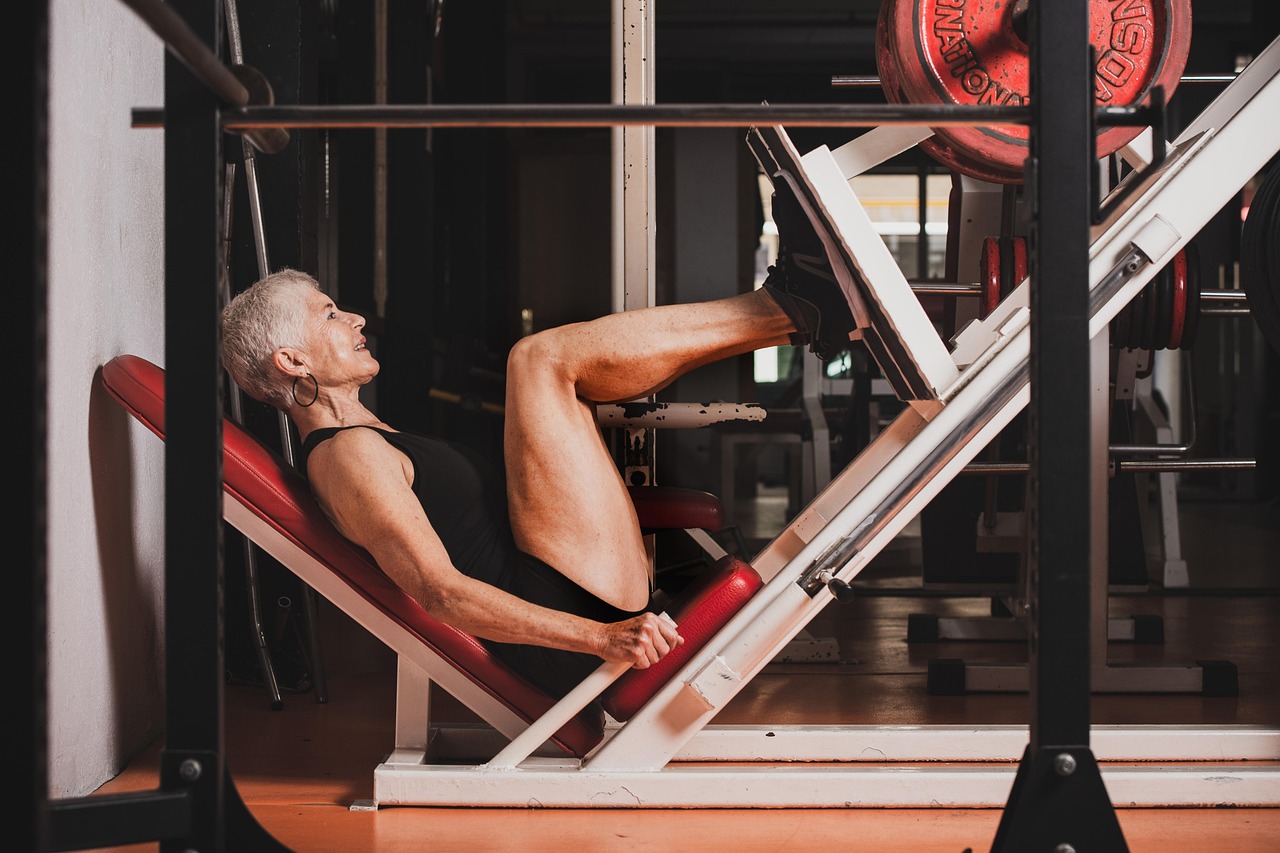
As we age, maintaining physical health becomes increasingly important for overall well-being. Strength training, often misunderstood as a young person’s workout, plays a pivotal role in enhancing the quality of life for seniors. Engaging regularly in strength training activities helps to combat muscle loss and significantly improves bone density. These two factors are crucial for preventing falls and serious injuries among older adults. Additionally, strength training can boost metabolism, allowing seniors to manage their weight more effectively. This can lead to improved self-esteem and a more active lifestyle. Social interactions during group sessions also provide mental health benefits. Exercise facilities often offer programs tailored for older adults that incorporate strength training in a supportive community. With the right guidance and resources, seniors can safely embark on their strength training journey, which helps promote longevity and independence. Setting achievable goals and being consistent are key components of any workout regimen. Furthermore, proper nutrition will complement their efforts, ensuring their bodies receive the necessary fuel required for recovery and performance in these exercises.
To begin incorporating strength training, seniors need to consider consulting with healthcare professionals before starting a program. It is essential to assess individual health conditions and physical capabilities before planning workouts. Qualified trainers with experience in senior fitness can provide personalized guidance. Such expertise ensures that exercises are tailored to meet the unique needs of older adults, thereby reducing the risk of injury. Flexibility is also an important aspect of strength training for seniors; flexibility exercises, such as stretching and yoga, can be combined with resistance training to ensure a balanced routine. Gentle stretching aids in maintaining mobility and functional independence. Adapting workouts to emphasis these combinations introduces a holistic approach towards fitness. Equipment such as resistance bands or lightweight dumbbells can effectively help improve strength without overwhelming the individual. It is also imperative to focus on the major muscle groups, including arms, legs, and core, to create a comprehensive training plan. Regularly assessing progress creates motivation, helping seniors to continue improving their strength and resilience.
The Benefits of Strength Training for Seniors
Strength training offers numerous benefits that are particularly significant for seniors. As individuals age, they naturally experience a decline in muscle mass, known as sarcopenia. This process can be countered through consistent strength training, helping to preserve lean mass. Moreover, improved muscle strength contributes to better balance and stability, reducing the risk of falls—a common concern for older adults. It is worth noting that falls can lead to severe injuries, making prevention a priority. Enhanced muscle strength from resistance training also allows seniors to carry out daily activities more independently. Tasks such as lifting groceries, moving furniture, or simply getting out of a chair can become more manageable. Additionally, engaging in regular strength training can improve cardiovascular health. The heart benefits from increased circulation and reduced blood pressure, which in turn reduces the risk of chronic diseases such as diabetes and heart-related issues. Mental well-being is another remarkable benefit; tackling strength training challenges helps boost self-confidence and overall mood, creating a more fulfilling life.
Furthermore, the impact of strength training on cognitive functions is gaining recognition in recent studies. Exercise is believed to increase blood flow to the brain, leading to improvements in mental clarity and memory retention. For seniors, this is particularly invaluable as they face cognitive decline and memory-related issues as they age. Engaging in a dedicated strength training program encourages seniors to challenge their limits, fostering a positive mindset regarding aging and health. Additionally, those who partake in group strength training activities build social connections that can alleviate feelings of isolation. Loneliness is a prevalent issue among seniors, and having a supportive network can significantly improve mental health. Furthermore, participating in exercises as a group can make workouts enjoyable and provide accountability, which many individuals may find motivating. Such connections also enhance emotional health, contributing to a sense of community. To reap these benefits, opportunities for engagement in strength training should be readily available, encouraging seniors to take the first step towards enhancing their health and longevity.
Getting Started with Strength Training
Embarking on a strength training journey requires thoughtful planning and preparation. To get started, seniors should first assess their existing physical condition. This includes evaluating prior exercise routines, any existing health conditions, and overall fitness levels. Next, establishing a consistent schedule for strength training sessions is essential. Aim for at least two days per week of strength training, incorporating various exercises targeting different muscle groups. Moreover, it is vital to begin with light weights or resistance. As strength increases, gradually increasing the weight or resistance will ensure continuous improvement and adaptation. Additionally, consider integrating bodyweight exercises like squats, push-ups, and lunges into the routine. These exercises can be performed almost anywhere and require minimal equipment. Keeping proper form is crucial in avoiding injuries, making it necessary to focus on technique. Seniors may benefit from practicing under the supervision of certified fitness professionals or joining local fitness classes. Group classes may also provide a sense of camaraderie, motivating individuals to stay dedicated to their strength training goals and journeys.
Listening to the body is paramount during any strength training program. Seniors should pay attention to their body’s signals and avoid pushing through significant discomfort or pain. Taking adequate rest days is just as important as working out. Muscles need time to recover and rebuild following resistance training sessions, helping prevent overuse injuries. Furthermore, variety in workouts can combat monotony, keeping motivation high. Exploring different strength training modalities, such as functional training, Pilates, or yoga, can create a well-rounded exercise routine, enhancing strength while promoting flexibility and balance. Nutrition should also be addressed when embarking on a strength training routine. Eating a balanced diet rich in protein, vitamins, and minerals will support muscle growth and recovery. Foods like lean meats, fish, dairy, legumes, and whole grains provide essential nutrients required for optimal health. Hydration is equally important; seniors must ensure they are drinking enough water both during and after workouts. Making these lifestyle changes collectively positions seniors to enjoy the long-term benefits of strength training in enhancing their longevity and health.
Conclusion
In conclusion, strength training uniquely benefits seniors’ health, transforming their lifestyles and enhancing longevity. By maintaining or increasing muscle mass, seniors not only boost their physical strength but also improve their confidence and quality of life. Through proper guidance, customized programs, and community support, older adults can successfully integrate strength training into their routines. This commitment comes with various health aspirations, including reduced risk of chronic diseases, improved cognitive functions, and enhanced balance. Furthermore, fostering social interactions during strength training opens windows of opportunities for friendships and support, enriching overall well-being. As we continue to learn more about aging and fitness, strength training will remain a vital component for senior health. Efforts should focus on making strength training accessible, enjoyable, and dependable for seniors of all abilities. The message is clear: it’s never too late to start strength training. With dedication and proper planning, seniors can significantly improve their health and live longer, healthier lives. They should embrace strength training as a way to empower their bodies and minds, ensuring that aging is accompanied by vigor and resilience.
In the end, it is essential not just to begin strength training but to maintain a positive attitude toward aging. Celebrating small victories and recognizing improvements can create a motivating environment for older adults. Encouragement from family, friends, and trainers plays a vital role in sustaining this enthusiasm. Feeling empowered could lead to active participation in community-based fitness programs designed for seniors, leading to a healthier, more connected life. As physical and mental faculties are nurtured through strength training, the cycle of enhanced health continues to reinforce itself. It is crucial for seniors to understand that health is a journey, not a destination. Progress may take time, but commitment to strength training can yield life-altering results. Whether through individual routines or group-based activities, seniors should view strength training as a transformative tool. Ultimately, investing time and effort into strength training can contribute significantly toward achieving greater health and longevity. With the right steps and positive attitude, seniors can embrace their strength training journey, foster better health and pave the way for joyful living in their golden years.