
How to Start a Bodyweight Workout Routine for Beginners
Starting a bodyweight workout routine is an excellent choice for beginners. Bodyweight exercises require no special equipment, making them accessible at home. To begin, it is vital to identify your fitness goals, whether it’s weight loss, muscle gain, or improving flexibility. Setting specific and measurable goals will help you stay motivated. Make sure to develop a weekly workout schedule. Aiming for at least three sessions per week allows sufficient time for recovery. Consider adding balance, strength, and flexibility exercises to your routine for a comprehensive approach. Warm-up properly before each workout to prevent injury; dynamic stretching is ideal. As a beginner, focus on form and resistance, rather than speed. This approach enhances your understanding of movements while preventing injuries. It is crucial to listen to your body and adjust intensity or repetitions according to your fitness level. Progress can be tracked weekly by logging workouts in a journal or using apps, noting improvements like increased reps or shorter rest times. With dedication and patience, you will notice significant improvements within weeks through regular bodyweight exercises.
Essential Bodyweight Exercises
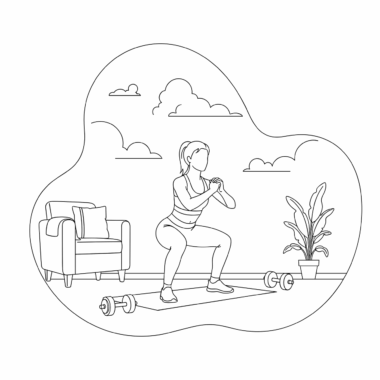
Incorporating essential bodyweight exercises into your routine is critical to success. These exercises typically use your weight for resistance and can be modified to suit your fitness level. Start with the basic push-up, an excellent exercise for upper body strength. Ensure proper form with your back straight and core tight. Next, try squats; these will engage your lower body and core. Adjust the depth according to your comfort level. Another effective movement is the plank, which targets your core while enhancing stability. For beginners, start with a 20-30 second hold and gradually increase the time. Lunges provide another great bodyweight option that can improve leg strength. Alternate between forward and reverse lunges for variety. Don’t overlook the benefits of the glute bridge, which targets the posterior chain and helps with hip mobility. Mountain climbers are excellent for building endurance while increasing heart rates. To keep workouts engaging, aim to combine several exercises into circuits. Performing exercises in a circuit format maximizes workout efficiency. Remember to include cooldown stretches after each session to enhance recovery and flexibility over time.
Consistency is vital in achieving your fitness goals with bodyweight workouts. To build a sustainable routine, create a comfortable workout environment at home. Designate a specific area in your living space solely for exercising. This space can be a corner of your living room or bedroom—ensure it’s free from distractions. To motivate yourself, consider adding visual reminders of your fitness goals, like motivational quotes or progress charts on the walls. Additionally, incorporating a structured workout plan can enhance commitment. For example, you could use scheduling apps or downloadable plans available online. Other options include joining online fitness communities or challenge groups for accountability. Social connections and support can significantly boost your motivation to stick to a consistent workout schedule. Emphasize the importance of rest days within your routine. Muscles need recovery time to grow, which can be achieved through active recovery days. Engage in light activities like walking or yoga to stay active without overexerting yourself. Focus on maintaining a balanced diet alongside your workouts, as nutrition greatly influences your performance and recovery. Staying hydrated and well-nourished will also support your fitness journey effectively.
Tracking Progress and Staying Motivated
Tracking your progress is essential when starting a bodyweight workout routine. Setting short-term and long-term goals creates a roadmap for your fitness journey. By establishing measurable targets, you can assess improvements in strength, endurance, or flexibility. Create a fitness journal or use apps to log daily workouts, noting the number of sets and repetitions. Regularly review your data to identify trends and successes. Additionally, consider introducing a habit tracker to monitor consistency. This tracker can visually represent your commitment—checking off completed workouts can be incredibly motivating. Sharing your progress on social media platforms or within fitness communities can also provide encouragement from others who may share similar goals. Don’t forget to celebrate your small victories! Aiming for a particular number of push-ups or increasing your squat depth can be exciting milestones. Consider rewarding yourself appropriately—whether it’s new workout gear or a relaxing day off. Frequent self-assessment and adaptation are crucial to staying challenged and engaged in your routine. If you find exercises too simple, seek more advanced variations or challenge yourself to complete more reps or longer workout durations.
Incorporating variety into your bodyweight workouts can successfully stave off boredom. Changing your routine regularly keeps your body challenged and engaged. Consider alternating between different bodyweight exercises weekly to ensure diverse muscle engagement. You can also experiment with various formats, like HIIT (High-Intensity Interval Training) or circuit training, to keep things fresh. These formats combine multiple exercises with limited rest, enhancing cardiovascular benefits. Additionally, consider outdoor workouts; fresh air and changing scenery can significantly boost motivation and enjoyment. Bring some elements of nature into your routine by using benches, stairs, or grassy areas for workouts. Collaboration with friends or family for joint sessions can also add fun and encourage consistent effort. As an alternative, explore online fitness classes or video tutorials to learn new movements and techniques while staying within your comfort zone. Join virtual classes or challenges that target bodyweight workouts for further support. Engaging with experienced instructors can provide guidance on correct form and efficient training. Staying adaptable with your workout plan is crucial. Life events may sometimes disrupt your schedule, but having backup plans can help you work around barriers and maintain consistency.
Overcoming Challenges and Obstacles
Every beginner faces challenges when starting a bodyweight workout routine, and recognizing potential obstacles is vital. Self-doubt or the belief that you lack the necessary skills can hinder progress. Acknowledging these thoughts rather than allowing them to dictate your journey is essential. Embrace the idea that everyone starts somewhere; fitness is a personal journey, and improvement takes time. Another common obstacle might arise from maintaining motivation, especially as initial excitement fades. To keep yourself engaged, continually seek new challenges—fine-tune exercises as you grow stronger, explore different styles, or set intermediate goals. Additionally, be conscious of external factors, like time constraints or family obligations, which can obstruct your workout consistency. Planning workouts for convenient times of the day can alleviate stress. Moreover, communicating with family about your fitness goals often fosters mutual support within households. When these obstacles arise, maintain a flexible mindset. Allow for adaptations in your workout routine while keeping your end goals intact. Balancing persistence with patience is crucial throughout this process—remember, gradual improvements can lead to substantial long-term wellness benefits.
Sustaining your bodyweight workout routine involves a profound understanding of individual needs and preferences. Personalization is crucial to ensuring continued interest and dedication. Take time to evaluate the techniques that resonate best with you. This could involve experimenting with various exercises or routines to discover which ones excite you most. You might enjoy dynamic movements, like burpees or jump squats, focusing on speed and intensity. Alternatively, you may prefer slower, more controlled movements emphasizing strength and core stability, like planks and push-ups. Additionally, consider your lifestyle; if you often travel, explore low-impact bodyweight exercises you can execute anywhere. By having a go-to routine that adapts to various settings, your commitment to maintaining a regular workout habit increases. Analyze recovery needs after workouts, adjusting intensity depending on how your body responds. Additionally, establishing a supportive network, like friends or family members, can further enhance motivation and commitment. Consider finding a workout buddy who shares similar goals or interests in fitness charities or groups. Fostering relationships through shared fitness can naturally create accountability, leading to long-term success in your bodyweight workout journey.