
Beginner’s Bodyweight Exercises for Weight Loss at Home
Embarking on a weight loss journey at home can be both effective and empowering, especially for beginners. Bodyweight exercises provide a fantastic way to get started without needing expensive equipment or gym memberships. These exercises utilize your own body weight for resistance and can be performed anywhere. Focus on developing a routine that encompasses strength, flexibility, and endurance. Start slowly, allowing your body time to adjust to new movements. Incorporating bodyweight exercises into your daily routine can significantly boost your metabolism and promote fat loss. Simple exercises like squats, push-ups, and lunges can target multiple muscle groups, providing comprehensive workouts. Also, make sure to include rest days to support muscle recovery while preventing injury. You may discover online tutorial videos for guidance as you progress. Moreover, tracking your workouts can motivate you and help you notice improvements in strength and endurance over time. Remember, consistency is critical in any workout planning for weight loss. People often underestimate the value of bodyweight training, yet it can yield significant results if performed with dedication. Begin today, and you might find the path to achieving your fitness goals clearer than ever!
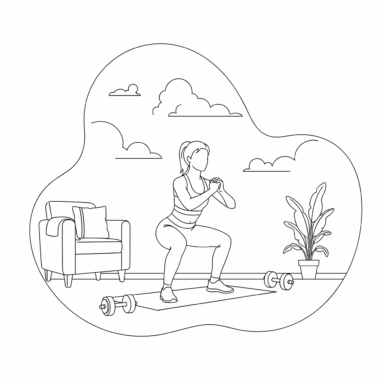
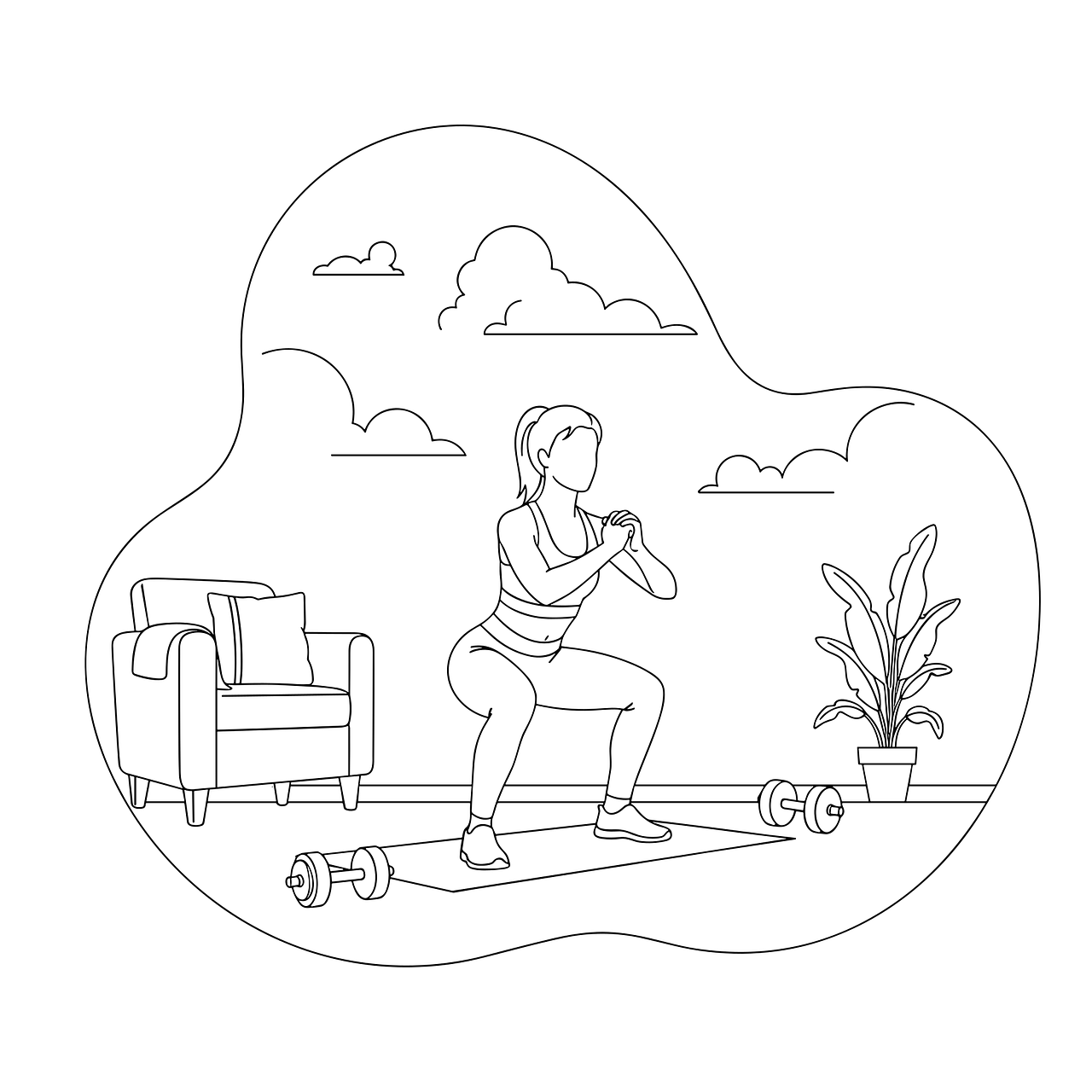
One excellent beginner bodyweight exercise is the squat. Squats are fundamental not only for building strength in your legs and glutes but also for improving core stability. To perform a proper squat, stand with your feet shoulder-width apart. Slowly bend your knees while lowering your hips as if you’re sitting into an imaginary chair. It’s essential to keep your back straight and chest up. Push through your heels to return to the starting position. Aim for three sets of ten to fifteen repetitions. Another great exercise is the push-up. This movement targets your chest, shoulders, and triceps. Start in a plank position, ensuring your body forms a straight line from head to heels. Lower your body towards the ground, keeping your elbows at a forty-five-degree angle from your body. Push yourself back up to the starting position. If traditional push-ups seem challenging, modify them by doing them on your knees. Initiating workouts with these two exercises will help establish a solid foundation and make you stronger overall. Remember to focus on your form to maximize the results while minimizing the risk of injuries.
Incorporating Planks into Your Routine
Planks are a fantastic addition to your bodyweight exercise routine, especially for beginners. This exercise primarily works your core while also engaging your shoulders, back, and legs. To perform a plank, begin by lying face down, then lift your body onto your elbows and toes. Keep your back straight and avoid letting your hips sag or rise too high. Maintain this position for as long as you can, gradually increasing your time as you get stronger. Aim for three sets lasting thirty seconds to one minute each. Planks can also be modified by introducing side planks, which provide an added challenge while targeting oblique muscles. Additionally, experimenting with dynamic plank variations like plank jacks or mountain climbers can further enhance your workout. These variations not only target different muscle groups but also increase your heart rate, aiding in fat loss. Make sure to incorporate core exercises with cardio to maximize your weight loss efforts. By adding planks to your weekly routine, you will notice a significant improvement in your overall fitness and body control.
Consider integrating some cardio-inspired bodyweight exercises into your regimen as well. Jumping jacks provide a simple, yet effective, way to get your heart pumping while working multiple muscle groups at once. To perform jumping jacks, stand upright, jump while spreading your legs wide, and simultaneously raise your arms above your head. Return to your original position and repeat for thirty seconds to one minute. Another great option is the burpee. This full-body exercise combines a squat, push-up, and vertical jump, making it a high-intensity workout. Start in a standing position, drop into a squat, place your hands on the ground, kick your feet back into a push-up position, return to the squat, and leap into the air. Aim for five sets of ten burpees to challenge yourself. These exercises can elevate your heart rate significantly and improve cardiovascular fitness. Moreover, combining these cardio elements with strength training enhances weight loss effects. Ensure you during each workout to maximize effectiveness and avoid injuries while staying motivated throughout your fitness journey.
Stretching and Flexibility for Beginners
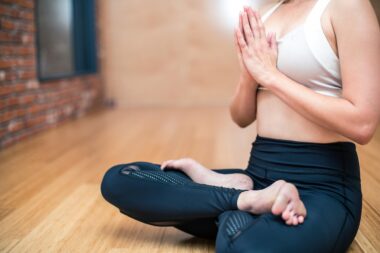
Don’t overlook the importance of stretching and flexibility when starting your home workout routine. Stretching helps to improve your overall range of motion, enhance muscles’ recovery time, and decrease the risk of injuries. Always incorporate a warm-up and cool-down period with your bodyweight workouts. A simple warm-up routine might include gentle arm rotations, leg swings, and light jogging in place. After completing your exercises, dedicate time to stretching your major muscle groups. Focus on areas such as your hamstrings, quads, shoulders, and back. Holding stretches for at least twenty to thirty seconds each will help improve your flexibility over time. Yoga and Pilates can be excellent resources for enhancing flexibility and core strength. These practices not only promote muscle elongation but also improve your balance. Additionally, both can efficiently relieve stress, which may counteract weight-loss efforts. Incorporate these stretches and techniques after every workout session, contributing to muscle recovery and relaxation. Regular stretching can significantly elevate your overall fitness level, making it an essential aspect of any beginner’s workout routine.
Staying consistent and tracking your progress is vital to ensuring you stay on track with your weight loss goals. Incorporate an easy system for noting down your workouts, tracking repetitions, or timing your exercises. This could be a simple spreadsheet, a fitness app, or even a dedicated notebook. Monitoring your progress not only keeps you accountable but also enables you to see the improvements over time, which can be highly motivating. Additionally, consider setting specific, achievable goals to challenge yourself. For example, choose a target number of bodyweight squats, the duration of planks, or the total number of workouts per week. Celebrate your successes, whether small or large, to remain encouraged on your journey. Your goals should evolve as you progress, helping you stay engaged and motivated to push beyond your comfort zone. Don’t be afraid to modify exercises based on your personal progress, recognizing that adapting your routine is part of your fitness journey. Ultimately, your dedication and consistency will drive the seamless path to achieving weight loss and improved overall fitness.
Recovering and Building on Your Practice
Recovery is as crucial as the workout itself, especially for beginners. Allowing your body adequate rest is essential for muscle growth and overall recovery. Incorporate at least one to two rest days into your weekly workout plan. Rest days do not imply complete inactivity; consider engaging in light activities like walking or yoga. These movements can promote blood flow to your muscles and enhance recovery. Also, pay attention to your nutrition; ensure you maintain a balanced diet rich in proteins, healthy fats, and complex carbohydrates. This nutritional foundation supports muscle repair and energy replenishment. Additionally, don’t shy away from seeking guidance or working with a fitness professional if need be. They can provide personal insight, motivation, and accountability tailored to your situation. Joining groups or communities can also foster motivation and camaraderie among fellow fitness enthusiasts. As you become stronger, continue to update your workout plan by incorporating more challenging exercises gradually. Striking a balance between training intensity and recovery is vital for long-term success and achieving your weight loss goals.
Lastly, remember that the journey to weight loss and better fitness takes time and dedication. Stay patient with yourself and recognize that results won’t appear overnight. Consistency and hard work are often the keys to success. This journey is not just about losing weight; it is about building healthier lifestyles that incorporate regular physical activity and balanced nutrition. Embrace the journey, enjoy the learning process, and celebrate small victories along the way. Do not hesitate to modify your workouts or diet as needed; fitness is not a one-size-fits-all approach, so find what works best for you. Additionally, listen to your body and stay aware of how you feel during and after workouts. Make adjustments when necessary. Support from friends, family, or fitness communities can be invaluable; share your progress and experiences to motivate each other. Focus on both physical and mental well-being throughout this process. Cultivating a positive mindset is crucial for overcoming challenges and staying motivated. Remember to have fun with your workouts, and enjoy discovering your capabilities as you deepen your commitment to bodyweight exercises and fitness at home.