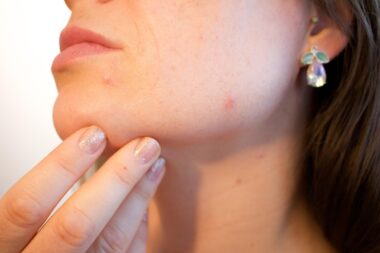

Hormones and Their Impact on Skin Sensitivity
Hormonal balance plays a critical role in skin sensitivity and overall health. Hormones such as estrogen, testosterone, and cortisol significantly affect skin conditions, impacting everything from moisture levels to oil production. An imbalance in these hormones can lead to heightened skin sensitivity, resulting in issues like redness, irritation, and discomfort. For instance, estrogen helps retain skin elasticity and moisture, while testosterone influences oil production. When these hormones fluctuate, particularly during puberty, menstruation, or menopause, individuals may notice changes in their skin’s texture and sensitivity. Furthermore, cortisol, a hormone released under stress, can exacerbate skin issues, leading to inflammation and increased sensitivity. It’s vital to understand how these hormonal shifts influence your skin health, as addressing hormonal imbalances may alleviate sensitivity issues. Consultation with healthcare professionals can help identify hormonal problems and contribute to effective treatment plans.
One significant factor affecting skin sensitivity is hormonal cycling. Women’s hormones, particularly during their menstrual cycle, can greatly impact their skin condition and sensitivity. For example, in the premenstrual phase, the significant drop in estrogen can lead to increased sensitivity and irritability. Skin may become drier, more prone to acne, and overall less resilient. Fluctuations in progesterone can also lead to oilier skin, contributing to acne and sensitivity issues. During the menstrual cycle, these hormonal transitions cause varying skin reactions. Additionally, hormonal contraceptives can further alter skin sensitivity by modulating these hormone levels, which can either alleviate or exacerbate existing skin conditions. Understanding these menstrual-induced changes will help individuals manage their skin health more effectively. Adjusting skincare routines in line with the menstrual cycle can significantly enhance skin comfort and reduce sensitivity, allowing for better skin health.
The Role of Estrogen in Skin Health
Estrogen plays a vital role in maintaining skin health, influencing hydration, elasticity, and overall resilience. As a key female hormone, estrogen impacts collagen and elastin production, which are crucial for firm and youthful skin. When estrogen levels are high, skin appears plump and smooth, but when levels drop, such as during menopause, the skin can become thinner and lose its protective barrier. This reduction in skin barrier function can lead to increased sensitivity and reactions to environmental factors, resulting in conditions such as eczema or dermatitis. As skin becomes more sensitive, maintaining proper moisture levels becomes essential. Topical treatments that support collagen production and improve hydration can be beneficial for those experiencing estrogen-related skin sensitivity. Furthermore, consistent adherence to effective skincare routines focused on hydration and nourishment can mitigate sensitive reactions. Exploring options like estrogen-based creams may also assist, but always consult with a healthcare professional before initiating any hormone-related treatments.
Testosterone, although often associated with masculine traits, significantly contributes to skin health in both men and women. This hormone aids in sebum production, which keeps the skin moisturized and protected. However, an overproduction of testosterone can lead to an increased risk of acne and oily skin, directly affecting skin sensitivity. Enlarged pores and excessive sebum can attract bacteria, leading to inflammation and skin issues. Understanding the balance of testosterone is crucial in managing skin sensitivity. For women, polycystic ovary syndrome (PCOS) is a condition that may elevate testosterone levels, leading to various skin challenges, including sensitivity and acne flare-ups. Treatment options often include lifestyle changes to manage weight, medications to balance hormone levels, and specialized skincare regimens aimed at controlling oil production. Consulting specialists in hormonal health and dermatology can be invaluable for those struggling to maintain balanced skin while navigating hormone fluctuations.
Cortisol and Skin Sensitivity
Cortisol, the stress hormone, can directly impact skin sensitivity and overall skin health. Elevated cortisol levels due to stress trigger various skin responses, leading to disruptions in the skin barrier function. This disruption can heighten sensitivity, resulting in skin conditions like redness, irritation, and even breakouts. Chronic stress can contribute to prolonged high cortisol levels, further complicating skin health. Individuals experiencing chronic sensitivity may find it beneficial to adopt stress-reduction techniques such as meditation, exercise, or deep breathing. Incorporating relaxation practices into daily life can be essential for managing hormonal fluctuations that lead to heightened skin sensitivity. Additionally, skincare products that promote skin barrier repair can alleviate the impact of cortisol on sensitive skin. Ingredients like hyaluronic acid and ceramides can help restore moisture and improve overall skin resilience against stress-induced sensitivity. Achieving a balanced lifestyle can help regulate cortisol levels, thus benefiting both mental health and promoting healthier, less sensitive skin.
Nutrition also plays a fundamental role in managing hormonal balance and skin sensitivity. Consuming a balanced diet rich in essential vitamins and minerals can support hormonal health. Omega-3 fatty acids, often found in fish, seeds, and nuts, provide anti-inflammatory benefits that may help mitigate skin sensitivity. Antioxidant-rich foods such as berries, leafy greens, and nuts combat oxidative stress and aid in skin repair and health. Furthermore, ensuring adequate hydration is crucial for maintaining skin moisture. Dehydration can exacerbate skin sensitivity, leading to discomfort and irritability. Regularly consuming water and herbal teas can enhance skin hydration and overall health. Moreover, integrating probiotics into your diet can support gut health, which influences hormonal balance. Gut and skin health are interconnected, where imbalances may lead to heightened sensitivity and skin reactions. By focusing on whole foods, hydration, and balanced nutrition, individuals can create a holistic approach toward treating hormonal imbalances and improving skin comfort.
Consulting Professionals for Skin Health
While understanding the relationship between hormones and skin sensitivity is crucial, consulting healthcare professionals remains essential. Dermatologists and endocrinologists can provide tailored advice based on individual hormonal profiles and skin types. Personalized assessments may uncover underlying hormone-related conditions that directly impact skin health. These specialists can recommend appropriate treatments, such as hormone therapy or customized skincare regimens, designed to address specific sensitivity issues. They may suggest lifestyle changes and dietary modifications to enhance results efficiently. Additionally, ongoing monitoring of hormone levels can guide modifications in treatment approaches as individuals transition through different life stages. Collaborating with professionals ensures a comprehensive picture of one’s skin health and hormonal balance is obtained. Establishing ongoing relationships with healthcare providers can result in improved understanding and management of skin sensitivity challenges. Ultimately, proactive management through professional guidance and informed decision-making can lead to healthier, more resilient skin-adjusting hormonal health effectively.
In conclusion, the intricate relationship between hormones and skin sensitivity highlights the importance of maintaining hormonal balance for optimal skin health. Various hormones, such as estrogen, testosterone, and cortisol, significantly influence skin texture, moisture, and overall resilience. Understanding these influences allows individuals to develop tailored approaches for managing skin sensitivity effectively. From adjusting skincare regimens to making informed dietary choices, numerous strategies can aid in fostering a balanced hormonal environment that supports skin health. Moreover, consulting with healthcare professionals offers opportunities for tailored treatments that address specific conditions impacting the skin. This holistic approach considers all aspects of hormonal health, acknowledging the multifaceted nature of skin sensitivity. Adequate hydration, stress management, and nutrition collectively promote healthier skin. By prioritizing hormonal health, individuals can experience significant improvements in skin comfort and overall quality of life. Recognizing and addressing hormonal shifts through personalized care will help cultivate a nourishing environment for skin. The pursuit of healthy skin is achievable through informed practices and the support of specialized healthcare, leading to empowered individuals in their skin health journey.