
Dance Fitness for Weight Loss: Tips for Beginners Over 40
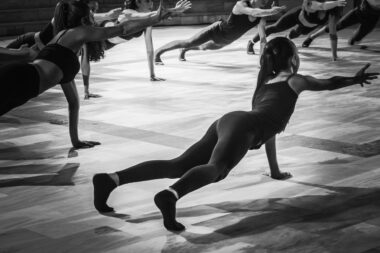
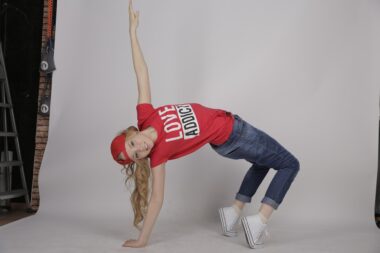
Starting on a dance fitness journey can be particularly empowering, especially for beginners over 40. This engaging form of exercise combines rhythm and movement, making it a fun way to shed pounds. Dance fitness not only invigorates your body but also boosts your mood. Before diving into a routine, consider consulting a healthcare provider to ensure safety and suitability based on your individual health condition. Choose a style that resonates with you, be it Zumba, jazzercise, or ballroom dancing. Each type offers unique benefits; for instance, Zumba combines dance steps with upbeat music to keep you motivated. Begin with shorter sessions, gradually increasing the duration as you build endurance. Focus on maintaining proper form to avoid injury, as this generation may be more susceptible to strains. Don’t hesitate to invest in quality dance shoes designed for support and traction to enhance your performance. For added accountability, find a dance class in your vicinity or join online communities that share your fitness goals. Be patient, as results take time, but with commitment, you can achieve significant weight loss while having fun.
Benefits of Dance Fitness
Engaging in dance fitness offers myriad benefits, especially for those over 40. First, it promotes cardiovascular health by elevating heart rates and strengthening the heart muscle. Improved heart health is crucial, as age can increase cardiovascular risks. Second, dance fitness sessions help enhance coordination and balance, skills that may diminish with age. This leads to a reduced risk of falls and injuries, allowing you to maintain an active lifestyle. Furthermore, dance has been shown to stimulate cognitive function – learning choreography can improve brain health. The repetitive movements of dance can also reinforce muscle strength, especially in the core and legs. Emotional wellness is another advantage; dancing releases endorphins, boosting your mood and decreasing feelings of stress or anxiety. Dance fitness is also a sociable activity; participating in group classes fosters friendships and a sense of community, both pivotal elements in maintaining motivation. The interaction provides a positive atmosphere that encourages consistency in workouts. All these aspects illustrate why dance fitness not only aids weight loss but also promotes overall well-being in individuals over 40.
Choosing the right dance fitness program is essential for beginners. Start by exploring different styles to find what excites you most. While numerous classes are available, focusing on Zumba or low-impact aerobics could be beneficial for your initial steps. Both formats offer a wide variety of music styles and tempos. Practicing in a supportive environment will help you gain confidence quickly. You can also try online classes, which provide great flexibility. Seek out instructional videos on platforms like YouTube to find workouts that suit your pace. If you enjoy group participation, consider local community centers or gyms that offer dance fitness classes specifically for older adults. It’s vital to ensure the instructor is experienced in teaching this demographic, as they should be aware of common physical limitations and how to provide modifications when needed. Gradually increase class attendance so that your body can adjust. Show yourself grace while learning new moves; remember, everyone has their own learning curve. Staying committed will pave the way for consistency, ultimately leading to better weight loss outcomes and enhanced physical fitness.
Setting Realistic Goals
As with any fitness endeavor, setting realistic and achievable goals is paramount for success, particularly later in life. Start by assessing your current fitness level to create personalized targets. Ensure your goals are specific, measurable, attainable, relevant, and time-bound (SMART). For example, a realistic objective might be to attend dance fitness classes three times a week for three months. Weight loss outcomes should be gradual; aim for a steady weight loss of 1-2 pounds per week. Focus on your overall health rather than an arbitrary number on the scale. Incorporate non-scale victories into your goal-setting; this could include experiencing improved stamina, better sleep quality, or increased daily activity. Keeping a fitness journal can be a useful tool in tracking your progress and maintaining motivation. Log details about workout sessions, dietary habits, and emotional well-being. Celebrate milestones, such as mastering a challenging dance step or finishing your first month of classes, to sustain enthusiasm. Surround yourself with supportive friends or family members who can encourage you. Together, you can celebrate successes and keep each other accountable throughout this exciting journey.
Nutrition plays a crucial role in weight loss alongside dance fitness. Ensuring you fuel your body with nutritious meals can significantly impact your fitness journey. Focus on incorporating a variety of fruits, vegetables, whole grains, lean proteins, and healthy fats into your diet. This colorful approach not only makes meals visually appealing but ensures a broad spectrum of nutrients. Hydration is essential; aim to drink at least eight glasses of water daily to support overall health and facilitate optimal performance during your workouts. Consider keeping a water bottle handy during dance classes to stay hydrated. Additionally, be mindful of portion sizes and snack smartly using healthier options. Instead of chips or cookies, opt for fruits or nuts that provide energy without excessive calories. Limit processed foods and refined sugars that can derail your weight loss efforts. Aim for balanced meals that energize your body for movement and recovery. Planning meals ahead of time can help you stay on track. Consulting a registered dietitian can also provide tailored advice. Remember, what you eat shapes the outcomes of your dance fitness endeavors; proper nutrition complements your activity level and fuels your progress.
Finding Community Support
Finding a supportive community can make a world of difference on your weight loss journey through dance fitness. Social connections foster accountability, encouragement, and motivation when the going gets tough. Join classes or groups where participants share similar goals, whether in-person at local gyms or through online platforms like social media. Look for groups tailored to your age demographic to ensure the activities suit your physical capabilities. You could create connections on platforms such as Facebook or join forums where others are discussing their dance fitness experiences. Participating in dance challenges or events can also connect you with fellow enthusiasts who cheer each other on. If feasible, recruit a friend or family member to join you in classes; having a partner improves your chances of staying committed. Share your goals with this person and encourage each other during workouts. As you develop friendships, you’ll find that discussion about shared challenges and victories adds enjoyment to your journey. Peer support can be a motivator when discipline falters, keeping you focused and reminding you that fitness, especially dance, can be a joyous experience.
Always remember that consistency is fundamental in achieving weight loss through dance fitness, especially for individuals over 40. Embrace the philosophy of ‘progress over perfection.’ There will inevitably be days when motivation is low, and life challenges present hindrances, but persistence is key. Scheduling workouts into your weekly routine can help establish habits that become part of your lifestyle. Block off dedicated times for classes and treat them like important appointments. As you dance more, you might even start looking forward to sessions as a highlight of your day. Mix various dance styles throughout the week to keep workouts fresh and exciting. Additionally, listen to your body; taking rest days when needed is crucial, especially as recovery can take longer with age. Cross-training with additional exercises like walking or resistance training can enhance your overall strength and endurance. Monitor progress and adjust your routine accordingly. Reflect on your achievements at regular intervals and modify your goals based on how far you’ve come. Above all, approach this journey positively, embracing the fun and limitless possibilities that dance fitness provides.