
The Role of Fats in the Paleo Diet
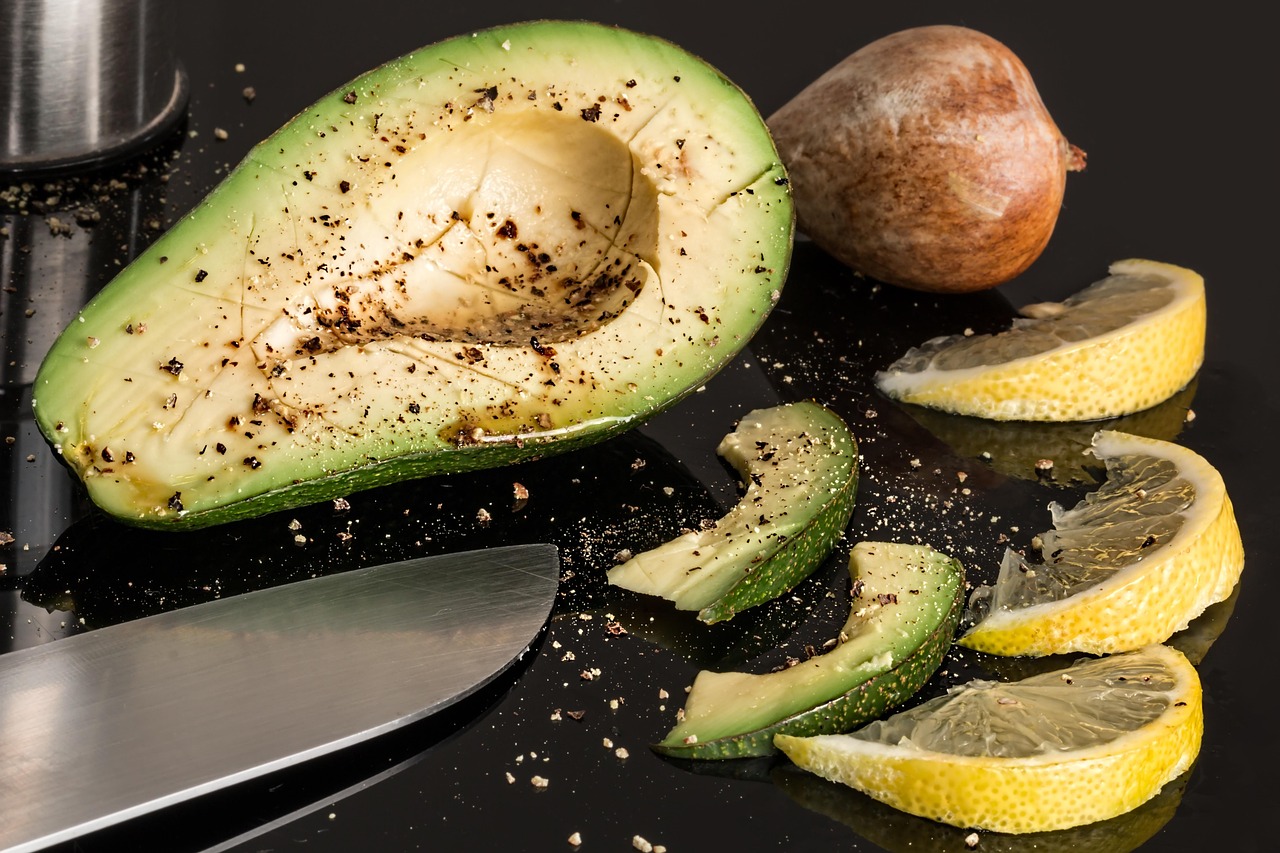
The Paleo Diet emphasizes whole foods that our ancestors might have consumed. One critical aspect of the diet is the role of fats. Understanding how fats function within the Paleo framework is essential for anyone looking to maximize their health benefits. Unlike other dietary approaches that demonize fats, the Paleo Diet promotes healthy sources. However, not all fats are created equal. The right kinds of fats can support cellular health while also providing crucial energy sources for various bodily functions. For instance, healthy fats such as those found in avocados, nuts, and olive oil are encouraged. These can contribute positively to heart health, support weight management, and help with the absorption of fat-soluble vitamins. In contrast, processed fats and trans fats, often found in junk food, should be avoided entirely. It is important to focus on fats from natural, unprocessed sources, which have been linked to numerous health benefits. By prioritizing good fats, individuals on the Paleo Diet can enjoy a delicious and nutrient-dense eating experience that aligns with their wellness goals.
Types of Fats in the Paleo Diet
The Paleo Diet incorporates various types of fats that contribute to optimal health. Understanding which fats are beneficial can help in making informed dietary choices. Generally speaking, unsaturated fats are the best choice for those on this diet. These fats can be classified into monounsaturated and polyunsaturated varieties. Monounsaturated fats, like those found in olive oil and avocados, are notable for their ability to improve heart health. Polyunsaturated fats, particularly omega-3 and omega-6 fatty acids, are vital for cognitive function and hormone regulation. Omega-3, for example, is found in fatty fish such as salmon, which can reduce inflammation. Even though the Paleo Diet focuses on wholesome, unprocessed foods, it is crucial to balance omega-3s with omega-6s found in nuts and seeds. However, the intake of trans fats, which are prevalent in processed foods, should be avoided entirely. By choosing the right fats, followers of the Paleo Diet can enhance their nutritional profile while supporting long-term health and well-being.
One of the most significant advantages of incorporating healthy fats into the Paleo Diet revolves around weight management. Contrary to popular belief, healthy fats can play a pivotal role in weight loss. When consumed in moderation, they provide satiety, helping individuals feel fuller and more satisfied longer. This satiety helps curb the tendency to snack excessively between meals. Furthermore, fats have a unique ability to regulate blood sugar levels, which is critical for preventing hunger spikes that lead to unhealthy eating. By stabilizing energy levels throughout the day, fats contribute to consistent energy without the rollercoaster fluctuations often experienced with carbohydrate-dense foods. In addition, fats are more calorie-dense than proteins and carbohydrates, meaning that a smaller portion can yield greater energy. This characteristic allows Paleo adherents to consume fewer caloric materials while still feeling nourished. The key lies in selecting nutrient-dense fat sources that contribute to health without adding unnecessary calories. Prioritizing consumption of natural fats can significantly influence weight management within the context of the Paleo Diet.
Health Benefits of Omega-3 Fatty Acids
Omega-3 fatty acids are a vital component of the Paleo Diet. Numerous studies suggest that these healthy fats provide an array of health benefits for the body and mind. Consuming adequate omega-3 levels can reduce the risk of chronic diseases such as heart disease, arthritis, and certain cancers. Fatty fish like salmon, mackerel, and sardines are excellent sources of omega-3s, all recommended within the Paleo framework. Not only do omega-3s combat inflammation, but they also promote brain health. Research indicates that higher omega-3 intake can positively impact mood, cognitive function, and even reduce symptoms of anxiety and depression. For those who prefer plant-based sources, walnuts and flaxseeds offer alternative omega-3 options. It’s crucial, however, to balance omega-3 intake with omega-6s to maintain optimal health. In addition to their physical benefits, omega-3 fatty acids have been shown to support skin health, contributing to hydration and elasticity. Therefore, it is essential for those following the Paleo Diet to consume a variety of omega-3-rich foods regularly to ensure adequate intake for overall well-being.
Healthy fats can also enhance the absorption of vitamins in the Paleo Diet. Fat-soluble vitamins such as A, D, E, and K require dietary fat for optimal absorption. Incorporating healthy fats can significantly aid the body in deriving the full benefits of these essential nutrients. For example, vitamin D, particularly important for bone health and immune function, is found in foods like fatty fish, which are also rich in nutrients. Similarly, avocados, which contain both healthy fats and vitamin E, support skin health and can enhance reproductive health. By strategically combining healthy fats with other nutrient-rich foods, one can increase the bioavailability of these vitamins. This approach ensures that the body can utilize essential nutrients more effectively. Additionally, cooking vegetables in healthy fats, such as coconut or olive oil, can boost the absorption of these vitamins from the produce. Ultimately, understanding how fats facilitate nutrient absorption can bring about more effective dietary strategies, enhancing overall health and vitality while following the Paleo guidelines.
Potential Risks of Consuming Fats
Although the Paleo Diet promotes healthy fats, it’s crucial to be mindful of portion sizes and the quality of fats consumed. Not all fats are supportive of good health. For instance, saturated fats, generally discouraged in other diets, can still play a role in the Paleo lifestyle if consumed judiciously. While some saturated fats from sources like grass-fed meat and dairy can be acceptable, moderation is vital. Overconsumption of saturated fats can lead to health risks, including increased cholesterol levels. Furthermore, not all meat and dairy are created equal; it is advisable to choose grass-fed or pasture-raised options where possible. Additionally, relying heavily on any single fat source can lead to nutritional imbalances. Diversifying fat sources ensures a range of fatty acid profiles, critical for maintaining overall health. Balancing the intake of different types of fats within the context of a Paleo lifestyle helps one optimize health without falling into the pitfalls of excessive or poor-quality fats. Therefore, an informed approach to fat consumption can yield the best results while adhering to the Paleo Diet principles.
In conclusion, fats play an indispensable role in the Paleo Diet. They provide energy, support the absorption of nutrients, and help manage weight effectively. By prioritizing sources of healthy fats, individuals can enhance their overall well-being while enjoying a diverse range of delicious foods. However, understanding the differences between various types of fats is essential for maximizing health benefits. Omega-3s, monounsaturated fats, and natural saturated fats from quality sources can all fit into a healthy dietary regimen. It is critical to avoid processed trans fats and consume fats mindfully to prevent negative health outcomes. Tailoring fat consumption to individual nutritional needs can promote vitality and longevity. Following the principles of the Paleo Diet, one can create a satisfying meal plan that incorporates healthful fats along with other nutrient-dense foods. This holistic approach can lead to improved energy levels, better mood, and enhanced cognitive function, not to mention a greater appreciation for food’s natural flavors. In essence, understanding the role of fats creates a solid foundation for those following the Paleo Diet and striving for optimal health.
This article showcases how healthy fats can redefine dietary practices for optimal health. The insights provided help illustrate the vital role fats play in the Paleo Diet, offering guidelines to successfully incorporate them while prioritizing well-being.