
The Truth About Flexibility Training and Aging
Flexibility is often overlooked in discussions surrounding senior fitness, leading to widespread misconceptions. Many people believe that aging naturally results in reduced flexibility, which is often not true. Flexibility training can greatly benefit seniors, helping to maintain mobility and prevent injury. The real issue lies in sedentary lifestyles that often accompany aging. Regular flexibility exercises can enhance joint function and improve overall balance. By incorporating stretching routines, seniors can see significant gains in flexibility, contributing to their independence and quality of life. Emphasizing active lifestyles paired with effective flexibility training can yield impressive results. Engaging in flexibility work, such as yoga or basic stretching routines, can alleviate stiffness. Stronger muscles and increased joint range can decrease the likelihood of falls and injuries among seniors. Moreover, adhering to a consistent flexibility program can bolster confidence, making day-to-day movements easier and more manageable. Although flexibility may decline with age if one is inactive, it can be countered with the right approaches. Thus, it’s crucial to reject the myth that flexibility is out of reach for seniors and embrace the benefits of stretching as part of a balanced fitness regimen.
Implementing a balanced fitness program goes beyond just flexibility; strength, endurance, and coordination play vital roles in maintaining an active lifestyle as we age. Many people incorrectly assume that flexibility is the only key component when it comes to senior fitness. In reality, flexibility training enhances other forms of exercise, fostering an overall sense of wellbeing. For instance, stronger core muscles improve posture, reducing stress on joints and enhancing flexibility outcomes. When seniors strengthen their muscles, they can navigate daily activities more efficiently. Additionally, combining strength training with flexibility workouts helps to reduce risk of injury significantly. Research indicates that a diverse workout routine can provide more significant results than focusing solely on flexibility. Engaging in various physical activities supports heart health, muscle endurance, and body awareness. Furthermore, activities that require balance, like tai chi, further complement flexibility training by improving overall stability. Not only does this help reduce fall risk, but it also encourages seniors to stay active longer. To sum up, adopting a well-rounded approach to fitness while integrating flexibility exercises can ensure that seniors live vibrant, active lives throughout their golden years.
Common Myths about Flexibility and Aging
Dispelling common myths surrounding flexibility and aging is essential to increase awareness and improve senior fitness levels. A prevalent myth is that flexibility cannot improve after a certain age; studies indicate otherwise. In fact, individuals of all ages can enhance their flexibility with the right commitment. Seniors should recognize that daily movement, proper stretches, and consistency have profound effects on preserving and even improving flexibility. Another misconception is that stretching is only beneficial before intense exercise; however, it has vital implications for seniors’ health. Stretching aids in recovery and can reduce muscle soreness, while also preventing injuries. Furthermore, many believe that only younger individuals need to engage in flexibility training. In reality, seniors can reap immense rewards from stretching, promoting circulation and joint health. It is also a misunderstanding that flexibility training is solely for athletes; regular stretching routines can be tailored for seniors seeking improved mobility. Finally, many feel that flexibility is not crucial for daily tasks; this could not be further from the truth. Being flexible can empower seniors to perform activities with more confidence, enhancing quality of life and fostering independence.
Implementing a variety of stretching techniques can offer numerous benefits to seniors. Active stretching routines, for instance, allow for gradual increases in flexibility, making them more accessible and effective for seniors than static stretches alone. Pairing dynamic stretches with strengthening exercises creates a well-rounded approaching to fitness, enhancing both flexibility and muscle strength simultaneously. Stretching not only fosters flexibility but also improves blood circulation, further contributing to overall health. Incorporating breath control while performing stretches can maximize relaxation, allowing for deeper stretching and improved focus. Consider exploring different forms of flexibility training, such as chair yoga or aquatic exercises, tailored to seniors’ needs, as they can offer substantial benefits. Furthermore, group classes can provide a social element that encourages accountability and consistency. Regular participation in flexibility training can cultivate a sense of community among seniors, motivating them to remain active together. Choosing to prioritize flexibility and consider personalized programs or classes will yield lasting results. Ultimately, seniors must seek to measure their progress and remain encouraged by the accomplishments they achieve as they improve their flexibility through consistent effort.
Tips for Effective Flexibility Training
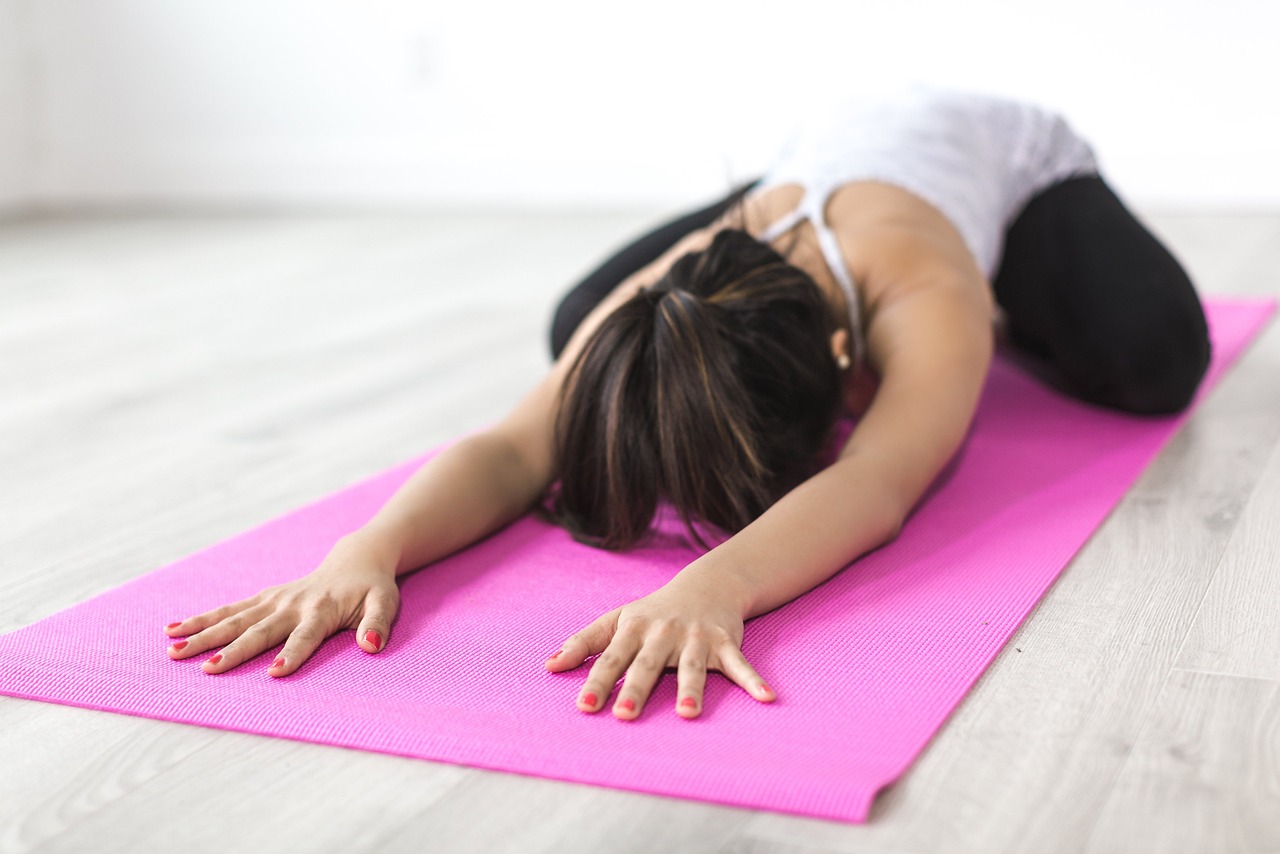
When embarking on a flexibility training program, seniors should keep several essential tips in mind to achieve maximum benefits. First and foremost, they should always consult with their healthcare provider before starting any new exercise regimen. This can help identify potential issues or necessary modifications. It’s also essential to warm up before engaging in stretching exercises; a gradual approach is critical in preventing injury. Seniors should focus on gentle movements that emphasize controlled stretching, ensuring they listen to their bodies’ signals. Introducing prolonged holds combined with gradual releases can enhance flexibility over time. Incorporate stretches targeting major muscle groups, including arms, legs, back, and hips, to maintain balanced flexibility across the body. Engaging in consistent practice, ideally at least three times a week, can yield impressive results. Consider joining a local class designed for seniors to foster motivation and social interaction during workouts. Invest in comfortable clothing and supportive equipment, like yoga mats or stretch bands, to optimize the experience. Lastly, remember to celebrate achievements and set realistic goals to maintain motivation and encourage a lifelong commitment to flexibility training.
Mindfulness should also accompany flexibility training, promoting an awareness of one’s body and movement patterns. Mindful stretching not only allows for deeper relaxation but assists seniors in recognizing their limits, further improving safety and efficiency during workouts. Incorporating techniques such as visualization or rhythmic breathing can enhance the overall experience. As flexibility becomes more accessible, seniors often feel empowered to engage in other physical activities. This can lead to broader fitness pursuits, opening up opportunities for enhanced wellness. Research indicates incorporating flexibility training alongside strength-building methods contributes to a well-rounded fitness landscape. Over time, the skills acquired can translate into improved performance across various life aspects. Masters of their bodies, seniors can better navigate their surroundings confidently. Encouraging proactive attitudes and positive mindsets towards fitness can shape an engaging environment for flexibility and self-improvement. Seniors of all backgrounds should know that it is never too late to begin this rewarding journey. By staying motivated, practicing consistently, and embracing various styles of flexibility training, seniors can significantly elevate their physical capabilities and overall health.
Conclusion
In summary, flexibility is an essential component of senior fitness that has been underrated due to misconceptions and societal attitudes. This article aimed to clarify the myths surrounding flexibility training and its role in aging. By emphasizing the benefits of flexibility exercises for seniors, we can promote a fuller understanding of how to age gracefully and actively. Implementing sound strategies such as diversification in fitness routines or engaging in flexibility-focused classes can revolutionize the lives of seniors. Moreover, embracing flexibility can inspire seniors to pursue a wide range of activities, enhance their quality of life, and maintain independence. Encouragement from communities, family, and health providers can motivate seniors to prioritize flexibility training. Ultimately, it’s crucial to educate ourselves on the importance of flexibility to foster greater participation in such exercise forms. This way, we can pave the way for a more active, healthier, and empowered generation of older adults. Along with a commitment to flexibility, seniors can approach aging with resilience and strength, ensuring fantastic experiences in their golden years. With the correct approach, it is possible to truly change the narrative about flexibility and aging, enabling seniors to thrive.
This commitment to understanding and embracing flexibility exercises will ultimately foster healthier aging and encourage longevity. Through various techniques, strategies, and community support, seniors will discover new pathways to fitness, greater mobility, and overall wellness. As we challenge the misconceptions around flexibility and provide the necessary resources, we can empower seniors to become proactive agents of their health. Fostering environments where seniors can share their experiences, celebrate achievements, and support each other will play a critical role in transforming their fitness journeys. Investing in flexibility training equips older adults with the tools and knowledge necessary to combat the effects of aging while enjoying the journey of improved health alongside their peers. Strengthening relationships with fitness communities can be incredibly beneficial for seniors in this process. After all, shared motivation creates a ripple effect positively impacting multiple lives. Therefore, it’s vital to prioritize flexibility training within older adult fitness discussions. With an emphasis on maintaining physical activity, the message of possibility surrounding flexibility training can truly resonate, bridging the gap between age and wellness. In conclusion, let’s encourage enhanced understanding of flexibility’s significance, inspiring seniors to prioritize their fitness journeys and thrive well into their later years.