
Using Taekwondo to Improve Balance and Coordination
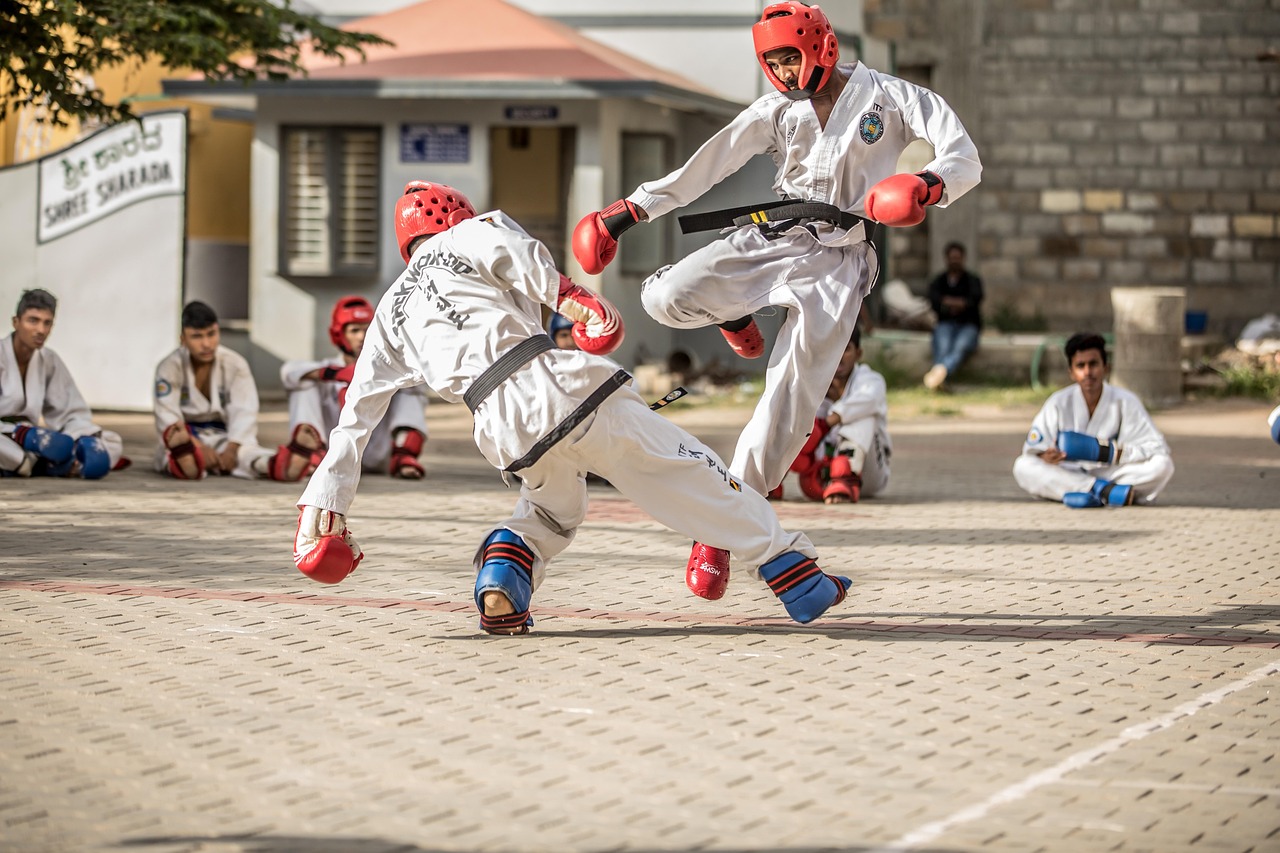
Taekwondo is more than just a martial art; it’s a comprehensive fitness approach that significantly improves balance and coordination. Practitioners of this dynamic sport engage all muscle groups, enhancing motor skills and body awareness. During training, various kicking techniques are perfected, requiring practitioners to focus on their physical balance. For beginners, mastering these techniques can be challenging, yet it sets the foundation for improved bodily control. Advanced practitioners continually refine their skills, often incorporating balance drills into their routines. The emphasis on precision helps to develop neurological pathways that improve coordination. Moreover, taekwondo training encourages rhythmic movement and agility, enabling students to move fluidly and purposefully. This adaptability is essential not only in taekwondo but in daily activities. The training environment fosters a supportive atmosphere where athletes learn from one another. This camaraderie boosts motivation and provides opportunities for enhancing skills through observation and practice. As students build confidence, they experience increased enjoyment in their training. The transformative journey of taekwondo cultivates not just physical abilities but also mental resilience, promoting a balanced lifestyle overall. It’s a holistic approach to well-being that emphasizes discipline and focus.
The Importance of Balance in Taekwondo
The balance is a crucial component in taekwondo and involves maintaining an aligned center of gravity, which helps achieve stability in movements. For practitioners, balance directly impacts their ability to perform techniques effectively. A well-balanced stance allows for quick transitions between movements, enhancing overall speed and fluidity. Exercises such as stances and kicks train the body to distribute weight evenly, promoting stability. Over time, as flexibility and strength improve through practice, practitioners start to notice significant changes in their coordination. Taekwondo also teaches the importance of core strength, which plays a significant role in achieving balance. A strong core supports all physical activities, making it essential for martial artists. Additionally, practicing different stances provides diverse ways to improve muscle control, encouraging better proprioception or awareness of body position. This enhanced body awareness helps practitioners avoid injuries while boosting performance. Balance drills, such as one-legged stands or jumping routines, are often integrated into training sessions. Focusing on these drills, in conjunction with learning techniques, lays the groundwork for better overall performance. Practitioners soon recognize benefits that extend far beyond the dojang, influencing their daily lives and routines.
Moreover, coordination is another fundamental aspect that taekwondo training develops effectively. When practicing different techniques, with a blend of hand and foot movements, students work on synchronizing their body parts. This level of coordination is crucial for executing strikes accurately and defending against opponents effectively. Timing plays a significant role in ensuring that movements are executed smoothly and efficiently. Through repetitive practice and sparring sessions, students learn to anticipate and react to their opponents’ moves, further enhancing their coordination. The mental aspect of taekwondo cannot be overlooked, as practitioners must keep their minds sharp and focused during training. Concentration allows athletes to execute complicated techniques seamlessly, requiring them to visualize their movements and perfect the timing. Incorporating drills that focus on different combat zones helps enhance coordination between upper and lower body movements. As students progress, they develop increasingly complex movement patterns, which challenge their coordination even further. Practicing forms, or hyung, serves as an excellent tool for honing coordination, with repeated movements increasing muscle memory. Overall, regular attendance in classes, paired with dedication to practice, leads to substantial improvements in both balance and coordination in taekwondo.
Enhancing Flexibility and Strength
Flexibility and strength contribute significantly to balancing coordination in taekwondo. The art of taekwondo involves various high kicks and quick foot movements, which necessitate an adequate range of motion. Practitioners utilize extensive stretching routines to enhance flexibility. Dynamic stretching improves the body’s ability to perform high kicks, while static stretching frees up potential tightness. Increasing flexibility allows practitioners to execute techniques with a greater degree of precision. This is especially beneficial in sparring, where agility and quick movements are paramount. Furthermore, strength training is incorporated regularly, focusing on key muscle groups necessary for powerful movements. By building strength, practitioners promote stability and reduce the risk of injury, reinforcing the importance of a strong foundation. As participants engage in plyometric exercises, they develop explosive strength that is essential for executing effective jumps and kicks. Additionally, developing leg strength translates into better control and balance during different techniques and stances. The fusion of strength and flexibility lays the groundwork for improved athletic performance in taekwondo. These combined attributes empower individuals to compete more effectively. Regardless of skill level, enhancing strength and flexibility serves as a stepping stone towards mastery in taekwondo.
In addition to physical benefits, training in taekwondo fosters important life skills, such as discipline and respect. Engaging in taekwondo requires a personal commitment to regular practice, which builds habits that hold true both in and out of the dojang. This disciplined approach translates into resilience and dedication in other aspects of life, reinforcing the idea that self-improvement extends beyond martial arts. As students progress in their training, they learn to respect their instructors, fellow students, and the techniques themselves. Cultivating respect within this disciplined environment enhances emotional intelligence and promotes understanding in competing scenarios. Additionally, students learn how to set and achieve goals in their martial arts journey. Identifying clear objectives, such as earning a new belt rank, challenges students to stay motivated and maintain focus throughout their training. Reflections on progress help to build self-confidence, which ultimately carries over into other areas of life, including academics and personal relationships. Being part of a supportive taekwondo community encourages practitioners to cheer each other on. This aspect fosters camaraderie while reinforcing the importance of teamwork and collaboration. Ultimately, taekwondo is not merely a physical pursuit, but a holistic development opportunity.
Incorporating Taekwondo into Daily Life
Incorporating taekwondo principles into daily life can significantly enhance balance and coordination beyond the dojang. One way to achieve this is through mindfulness exercises, which can improve focus. Practitioners can integrate mindfulness techniques, such as visualization and deep breathing, allowing them to stay centered amid distractions. This practice enhances mental clarity and fosters better decision-making during both physical training and everyday situations. Simple actions, such as maintaining proper posture while sitting or standing, can encourage balance throughout daily routines. Establishing a regular stretching routine at home also reinforces flexibility and strength, both crucial for executing taekwondo movements. Engaging in physical fitness outside of the dojo, such as yoga or running, enhances overall body awareness and coordination. These activities support muscle memory and reinforce advantageous movement patterns learned during taekwondo practice. For instance, balancing exercises can be practiced while standing in line at a store, using a yoga mat, or engaging in athletic workouts. Monitoring daily habits, such as ensuring adequate hydration and nutrition, contribute to overall physical health. Practitioners can collaboratively share their experiences with peers, utilizing social platforms as discussion forums. Over time, these practices create a more profound, lasting impact in both martial arts and daily life.
Finally, the journey in taekwondo is a lifelong process. As students continue to practice, they witness substantial improvements in their balance and coordination over time. Advanced levels of training introduce more complex techniques that require heightened skills. Continuous engagement in taekwondo hones one’s ability to adapt to challenging circumstances that arise both in and out of the martial arts environment. The discipline instilled in training encourages a mindset of perseverance, inspiring individuals to push through difficulties. As participants seek to refine their skills, the personal growth achieved often leads to increased self-worth and determination. Practicing taekwondo provides invaluable tools that can positively influence one’s lifestyle choices, ultimately benefiting mental and physical health. Many practitioners report a stronger sense of community through taekwondo, as friendships formed provide a support network. This network offers opportunities for accountability and motivation through shared experiences. Ultimately, those who commit to taekwondo find themselves not only improving their physical abilities but also enriching their lives holistically. Whether competitors or recreational participants, individuals elevate themselves, embodying the spirit of martial arts long after leaving the training floor.