
Combining Physical and Virtual Training: E-Sports Fitness Hybrid Models
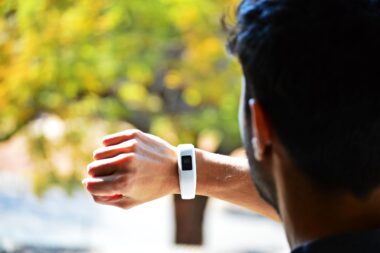
The fusion of fitness technology and e-sports is changing how we perceive physical training. The advent of hybrid models allows gamers to bridge the gap between virtual contests and real-world workouts. These innovations aim to enhance athletic performance by integrating physical fitness with gaming strategy. Players are increasingly recognizing the importance of physical conditioning, leading to improved reaction times and endurance in competitive environments. Fitness-oriented features are being incorporated into gaming peripherals, which track player movements and performance. Additionally, e-sports organizations are hiring trainers to guide athletes in developing strength and agility, crucial for maximizing their competitive gameplay. More so, players begin to adopt wearable fitness technology that monitors vital health metrics, fostering a thorough understanding of their physical abilities. This data-driven approach to training helps players identify areas needing improvement while also allowing better recovery management. Furthermore, fitness apps paired with gaming consoles create immersive experiences that motivate players to engage in physical activity while entertaining themselves. Such developments point towards a future where both fitness and e-sports grow side by side, taking athlete performance and enjoyment to the next level.
The Impact of Technology on Training
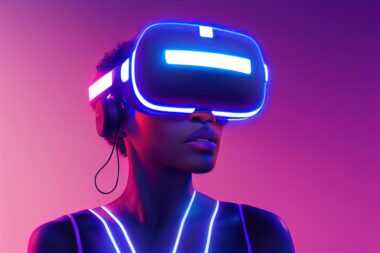
Technology has revolutionized e-sports fitness training, making physical preparation more accessible and fun. Many gaming companies are now partnering with fitness tech brands to create specialized training regimes for players, changing the dynamics of competitive gaming. Various apps now provide customized workout plans that sync with gaming schedules, ensuring players maximize performance both online and offline. This seamless integration of gaming with fitness technology allows for real-time analytics, which help gamers track their progress. Devices featuring augmented reality (AR) allow users to experience a simulated training environment that corresponds with virtual challenges. It creates an engaging experience, encouraging consistent participation in fitness routines. In addition, virtual reality (VR) fitness experiences help develop spatial awareness and coordination, essential skills for e-sports. Through these technologies, health and fitness take on a new dimension, leading players to realize the benefits of improved physical health. Gamers spend less time being sedentary and become more proactive in their fitness journey, leading to healthier lifestyles. As both worlds continue to overlap, we can expect more innovations that cater to the unique needs of aspiring e-sports athletes.
The integration of fitness communities will also play a significant role in promoting hybrid training models. Gamers are often linked to online forums or platforms where they engage with others who share similar interests. This aspect can pivot into fitness-focused communities, promoting shared workouts and competitive challenges. Such community-driven workouts can leverage existing social networks to inspire gamers to participate in fitness activities. For example, players can create workout challenges amongst their peers via social media platforms, encouraging friendly competition while promoting physical fitness. Moreover, these fitness challenges can easily be accompanied by designated leaderboards, showcasing weekly or monthly fitness achievements, offering a sense of accomplishment to participants. Incorporating social motivations reportedly leads to higher retention rates in exercise habits. Furthermore, teams could develop internal fitness competitions, encouraging better overall health and athletic performance amongst players. This encourages gamers to adopt a holistic approach to their health as they become aware of their physical state through community involvement and shared experience. As fitness communities grow within the e-sports framework, hybrid training models will undoubtedly gain traction across the globe.
The Role of Coaches and Trainers
In recent years, the role of coaches and trainers has expanded within the e-sports arena. These professionals are essential in blending traditional fitness techniques with advanced sports science practice tailored specifically for gamers. They design customized training regimens aimed at building strength, endurance, and mental resilience essential for e-sports. Trainers focus on improving players’ posture and ergonomics, which are critical for reducing injuries often associated with long gaming sessions. Coaches work with players not only on physical aspects but also provide mentorship for mental conditioning, emphasizing stress management and focus. This holistic approach to athlete development ensures gamers can thrive in high-pressure environments. Moreover, by teaching nutritional guidance as well, trainers help players maintain peak performance for prolonged gaming periods. Continuous feedback loops through data analysis can enhance training outcomes and provide insights about player performance metrics. All these factors combined lead to a more equipped and well-rounded athlete, improving competitiveness. As the recognition of e-sports athletes grows, so does the importance of training and coaching in producing exceptional players.
Hybrid training encourages flexibility and integrates various fitness styles to accommodate individual preferences. E-sports athletes can select workouts tailored to their specific skills, enhancing both enjoyment and effectiveness. For instance, a gamer may prefer high-intensity interval training (HIIT) to improve agility, while another athlete may favor yoga for flexibility and recovery. The freedom to choose empowers players to stay engaged in their fitness journey, leading to better results. This variety in training styles promotes sustainable fitness habits for e-sports athletes who engage in long hours of gameplay. Additionally, integrating performance-based wearables provides instant feedback on workouts, helping players to make necessary adjustments in real-time. Fitness technology enables personalization as these gadgets can monitor individual heart rates and fatigue levels. Understanding personal limits leads to safer physical practices during training sessions. Furthermore, adopting various fitness regimens fosters not only physical enhancement but also mental sharpness vital for e-sports performance. As the industry evolves, the marriage between fitness technology and gaming continues to reshape how players approach their health and performance.
Benefits of E-Sports Fitness Programs
The emergence of e-sports fitness models ultimately brings numerous benefits. Players realize that improved coordination and reflexes positively affect their gaming performance. Research has shown how a physically fit gamer can achieve better reaction times, refined decision-making skills, and stamina. These enhanced abilities translate directly to better performance in competition. Additionally, incorporating fitness regimes significantly reduces health risks associated with sedentariness, such as obesity and cardiovascular diseases. Players who engage in regular fitness routines also report better mental health, decreased anxiety levels, and improved focus. As a result, more companies are investing in e-sports fitness programs, recognizing their potential to shape healthier gaming communities. The expanding trend emphasizes that not only must gamers be skilled in their craft, but they must also prioritize their health for long-term success. These amalgamated efforts contribute to the establishment of a healthier image of e-sports and gaming culture as a whole. Growing awareness of the physical demands of competitive gaming encourages both players and organizations to invest time and resources into fitness training.
As the industry progresses, research and development surrounding e-sports fitness technology will continue to advance. The data collected from players’ performance analyses will provide valuable insights into optimizing physical training models for gamers. Moreover, new technologies will be introduced, supporting gamers as they adapt to more demanding training protocols. This research aims to tailor future training methods that specifically address the requirements of e-sports participants. Progress in technology may lead to innovative fitness platforms that incorporate gamification elements to promote player accountability and motivation. Through these development avenues, the partnership between fitness and gaming will flourish, benefiting players, teams, and the entire industry. Furthermore, discussions surrounding this cross-industry development will inspire greater collaboration between fitness professionals, tech developers, and gaming companies. Combining their expertise will significantly amplify the positive impact of hybrid training models across the board. As society’s understanding of health evolves with technology, aligning e-sports with fitness may ultimately create a new generation of empowered gamers who thrive both virtually and physically. Ultimately, this signifies a promising future for e-sports and fitness technology.