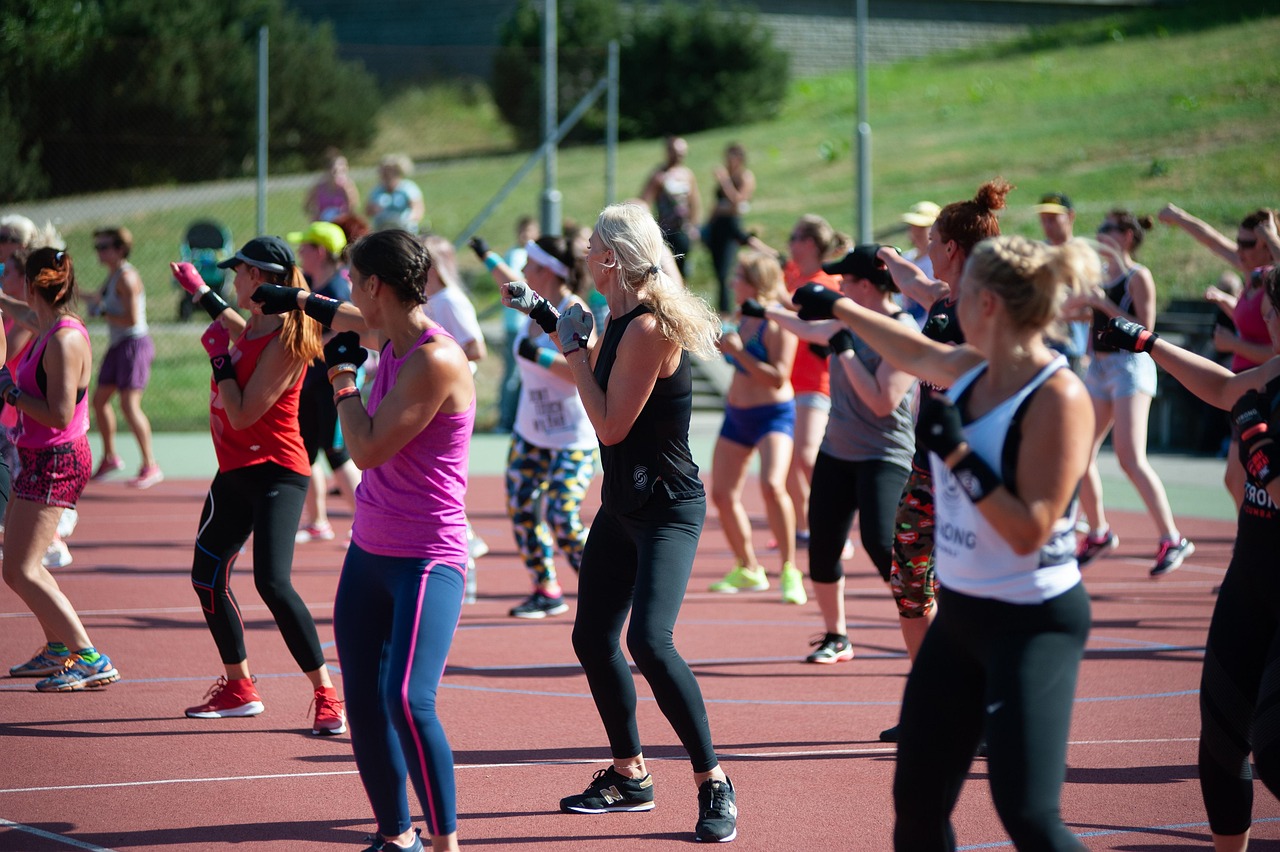

Setting Realistic Goals in Dance Fitness for Newcomers
When you start your journey into dance fitness, it’s essential to establish achievable and realistic goals. Instead of aiming for perfection, focus on gradual improvement. The initial step towards setting these goals is assessing your current fitness level. Understanding where you stand can help create better-targeted objectives. For example, if you’re new to dancing, a good goal might be to participate in a class consistently for a month. Next, consider incorporating additional aspects like stamina and flexibility into your plan. Setting clear timelines for these objectives can also keep you motivated. Instead of vague aspirations, aim for specifics like, “I want to attend three classes weekly.” Setting interim milestones will allow you to track your progress effectively. Emphasize celebrating small victories to boost confidence. Remember to consult experienced instructors whose feedback can lead to better goal-setting processes. Balancing ambitions with practicality is crucial. Ultimately, the key is to remain patient as you advance toward your fitness aspirations while enjoying the journey. Engaging in group classes will also foster a sense of community and accountability, enhancing your overall experience in dance fitness.
One important aspect of goal-setting in dance fitness is making sure your objectives align with your personal interests. Dance should be enjoyable, not just a chore. Finding styles that resonate with you, whether it’s Zumba, hip-hop, or Latin dance, can greatly influence your commitment. Think about incorporating more social aspects into your dancing by joining local classes or online communities where you can share your journey. Participate in discussions, and you might discover tips or even friends along the way. Breaking down larger goals into smaller, more manageable steps can also make the process less daunting. For instance, if you aim to perform in a local showcase, focus first on mastering basic moves or choreography. Remember not to overload yourself; rather, leave some room for improvisation and experimentation in your progression. Also, consider keeping a journal of your dance fitness journey. It can serve as both a tracking tool and a source of motivation. Reflecting on your experiences will help you adjust your goals as needed. Lastly, don’t hesitate to celebrate both your performances and your effort, no matter how small. This positive reinforcement can lead to sustained enthusiasm.
Creating a Supportive Environment
A supportive environment can profoundly impact your success in dance fitness. Surround yourself with individuals who encourage you to embrace your journey. This could include friends who also want to start dancing or supportive family members. Even online communities can play a part in fostering a welcoming atmosphere. Consider joining forums or social media groups focused on dance fitness, where you can share experiences, photos, and achievements. Connecting with like-minded individuals not only offers social benefits but also helps you stay consistent as you work towards your goals. Additionally, finding a mentor or an instructor who inspires you can be invaluable. Their expertise can guide you toward making informed decisions regarding your fitness aspirations. Creating a daily routine that includes dance practice is equally vital; dedicating specific times increases accountability. Ensure your practice space feels inviting, with mirrors and ample room to move. If financial resources permit, consider investing in proper footwear and attire. All these elements can make the process smoother. Remember, creating an uplifting atmosphere aids in retaining interest in dance fitness and significantly contributes to accomplishing your set objectives.
As you navigate your dance fitness journey, it’s crucial to maintain a flexible mindset. Sometimes your goals may need adjustments based on progress, setbacks, or simply changing personal interests. Regularly reviewing your aspirations can help you stay aligned with where you want to be. If a particular dance style becomes less appealing, don’t hesitate to explore new forms while continuing to grow. Flexibility also means being prepared for challenges along the way. Life can be busy and disruptive, and adapting to these changes is part of the journey. Use setbacks as learning opportunities instead of reasons for discouragement. For example, if you miss a week of dancing due to unforeseen circumstances, simply refocus your efforts the following week rather than giving up. It’s a dance of persistence. Ensuring consistent assessment of both your physical capabilities and emotional state can be beneficial. Inquire how you feel after each class to measure enjoyment and satisfaction levels. Adjusting your goals based on your experiences will foster a more personal connection to dance fitness. This adaptability ultimately encourages a lifelong passion for dance, leading you to continue setting and achieving new heights.
Incorporating Variety in Your Routine
Incorporating variety into your dance fitness routine is essential for sustained interest and progress. Sticking to the same style can lead to boredom and stagnation. Explore diverse genres, such as contemporary, ballet, or even dance-based workouts like Pilates, to keep your sessions fresh. Diversifying your activities can also work different muscle groups and improve overall fitness. Choose classes that focus on flexibility, strength, or endurance, ensuring you build a well-rounded skill set. Additionally, consider mixing in solo dance practice, which allows you to experiment without pressure. Challenge yourself by trying out dance fitness videos from home for more variety. These videos can offer alternative routines that might ignite newfound motivation. Engaging with different instructors can provide fresh perspectives on technique and style, enhancing your learning experience. Attending workshops or special classes can further broaden your exposure to various techniques. As you explore, document your experiences in your fitness journal. Reflecting on which styles excite you the most will help you curate a personalized routine that remains engaging. Ultimately, balance your foundational routines with newfound varieties to cultivate a fulfilling dance fitness journey.
As you progress in your dance fitness journey, tracking your achievements plays a critical role in sustaining motivation. Keeping a fitness journal or using apps dedicated to tracking exercise can help visualize your accomplishments. Document aspects like the frequency of classes attended, skills learned, and personal milestones achieved along the way. This doesn’t only provide valuable insights into your journey but will also serve as a reminder of your dedication. Set specific benchmarks to regularly evaluate your progress. These could range from how well you can follow complex choreography to your overall fitness levels. Celebrate every milestone, no matter how small; this practice can fuel a sense of reward that keeps you engaged. You can conduct personal assessments at the end of each month to evaluate whether you’re moving closer to your goals. Remember, improvement doesn’t always come as expected; patience is vital in this process. If some weeks feel slower than others, remind yourself that every step counts. Focus on the positive changes you’re experiencing, such as increased stamina and improved posture. These small yet significant changes will create a ripple effect, encouraging continued engagement in dance fitness.
Conclusion: Enjoying the Dance Fitness Journey
Ultimately, the journey of dance fitness should be just as enjoyable as achieving the goals you set. Acknowledging your achievements fosters a positive relationship with movement and ensures long-term commitment. Enjoy the camaraderie that group classes provide, and appreciate the individual expressions unique to your style. In essence, dance fitness should never feel like a relentless pursuit of perfection. Instead, embrace the smaller moments, such as mastering a new routine or simply feeling more energetic. Cultivating a supportive community—whether in person or online—enhances your journey by sharing experiences and learning together. Finally, always remember to adapt your goals and techniques based on what best suits you personally. Every dancer has their path and story to tell, making it incredibly rewarding. As you embark on your new adventure in dance fitness, keep an open mind and heart. Consequently, the art of dancing can transform not just your physical fitness but your emotional well-being. Choose to savor every step of your dance journey. With the right mindset and realistic goals, dance fitness can become a cherished part of your life.
While your dance fitness journey holds exciting potential, embracing realistic goals will make the experience even more fulfilling. Investing time to understand yourself and your passion for dance will yield profound results. Mark every achievement with pride, and be gentle with yourself during setbacks. The balance between ambition and enjoyment will ultimately lead to success.