
Incorporating Mindfulness Into Physical Fitness Routines
With mental health issues on the rise, the integration of mindfulness in physical fitness routines has become increasingly important. Mindfulness not only enhances the effectiveness of workouts but also contributes to mental well-being. Practicing mindfulness during exercise allows individuals to become more aware of their thoughts and feelings, leading to better emotional regulation. Techniques such as focusing on breath, bodily sensations, and being present help reduce stress and anxiety levels. People also report feeling more relaxed and centered after workouts when mindfulness is combined with physical activity. It helps to foster a deeper connection between the mind and body, promoting not only physical strength but also mental clarity. Research supports that the combination leads to better fitness outcomes, reducing the risk of mental disorders. Additionally, incorporating mindfulness can be particularly beneficial for those battling depression and anxiety, offering them tools to handle distressing thoughts. Gradually introducing these techniques into fitness can transform one’s perspective on health, making exercise a holistic experience. Therefore, embracing mindfulness is an essential shift in personal fitness strategies, helping achieve a more balanced and fulfilling lifestyle.
Understanding the mechanisms of mindfulness provides insight into its effectiveness in enhancing physical fitness routines. Mindfulness allows individuals to develop a non-judgmental awareness of their experiences. This awareness extends to how they perceive their physical limitations and capabilities during exercises. Such an understanding can lead to increased patience and perseverance. Additionally, individuals often discover hidden strengths and weaknesses that inform future workout strategies, aiding in better goal setting. This introspective approach can promote perseverance through tough spots during workouts, fostering resilience in the face of obstacles. Incorporating mindfulness can also lead to a more enjoyable experience, as individuals learn to appreciate their physical abilities and progress. By focusing on the present moment, fitness enthusiasts often report an increased motivation to engage in workout routines. Over time, this process creates a positive feedback loop, where improved mental health encourages consistent physical activity. Many participants find themselves looking forward to their workouts as a form of self-care rather than a chore. Moreover, mindfulness techniques are easily adaptable to various fitness levels and types, making them accessible for everyone. Overall, understanding mindfulness presents numerous benefits in both physical and mental health pursuits.
Practical Mindfulness Techniques During Workouts
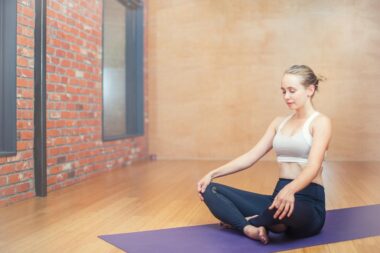
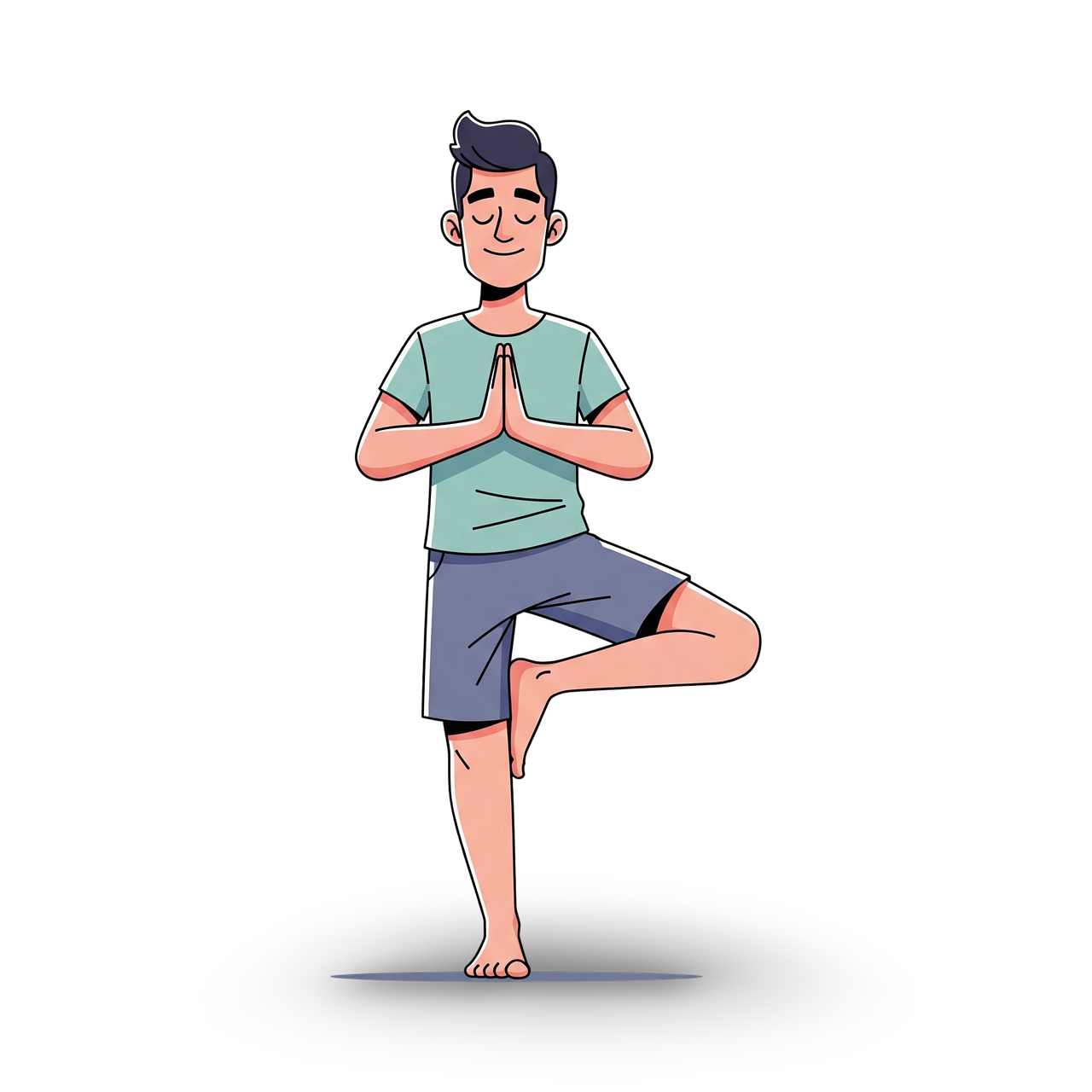
Implementing mindfulness techniques into fitness doesn’t have to be complex. Simple strategies can effectively be incorporated into exercise routines to enhance mental clarity. For instance, focusing on your breath can prove invaluable during workouts. By concentrating on inhaling and exhaling rhythmically, individuals can shift their attention away from distractions, keeping them centered. Another practical technique involves visualizing the muscles being worked during specific exercises. This visualization enhances concentration and strengthens the mental connection between mind and body. Yoga is an excellent practice for combining mindfulness and physical activity, as it encourages participants to tune into their bodies and maintain awareness throughout poses. Engaging with nature during workouts, such as running or cycling outdoors, also naturally fosters mindfulness by encouraging individuals to be present. Listening to the sounds, feeling the breeze, and observing surroundings contribute to an immersive experience. Furthermore, implementing a body scan before or after workouts may also help individuals connect deeper with their body and assess their physical state. By embracing these techniques into fitness routines, practitioners can cultivate a more fulfilling physical and mental health journey.
Mindfulness also allows individuals to create and set realistic fitness goals. Rather than striving for perfection, embracing mindfulness encourages a focus on incremental progress. Setting achievable short-term goals that align with long-term aspirations can lead to consistent motivation. Many trainers suggest using mindfulness to assess one’s energy levels before starting a workout. This self-assessment can inform decisions about exercise intensity and type. Not everyone may be ready for a high-energy workout on a particular day, and listening to one’s body fosters a healthier relationship with fitness. This is especially helpful for beginners who might face discouragement with their current fitness levels. Mindfulness encourages self-compassion, creating space for setbacks and allowing for growth. Moreover, individuals aiming to improve performance can adopt a mindful approach to crafting workout routines tailored to their strength and areas for improvement. Including moments for reflection after workouts can also offer insights into what works best. The consistency of monitoring feelings and experiences promotes a positive feedback loop. The more mindful one becomes, the more likely they are to engage fully in fitness endeavors without placing undue pressure on themselves.
Mindfulness in Group Fitness Settings
Incorporating mindfulness into group fitness settings can amplify the benefits for all participants. Group classes often emphasize community, and combining this with a mindful approach fosters deeper connections among attendees. Instructors can guide participants in focusing on breath and body awareness at the beginning of sessions to create a collective mindful atmosphere. This is especially relevant in classes like yoga, Pilates, or dance, where movement and mind synchronization are crucial. When groups practice mindfulness together, it enhances the overall energy of the class, making everyone feel more engaged. Encouraging participants to express how mindfulness impacts their practice during sessions can yield valuable insights and support. Furthermore, participants can develop a sense of accountability through group mindfulness, encouraging each other to practice self-awareness and acceptance during workouts. This camaraderie can reduce feelings of isolation associated with mental health issues. It helps individuals understand the shared struggles and successes of others, fostering a supportive environment. Thus, group mindfulness practices not only enhance physical fitness but also build essential social support systems, vital for managing mental health challenges effectively.
Challenges may arise when attempting to practice mindfulness in fitness settings. Many individuals find that distractions or anxiety can hinder their ability to remain present during workouts. Recognizing these obstacles is the first essential step in overcoming them. Practicing mindfulness requires patience and persistence, as it’s a skill that develops over time. Participants may benefit from learning how to manage distractions by focusing on their breath or the rhythm of their movements. Instructors play a pivotal role in creating an environment conducive to mindfulness. By offering reminders and gentle cues, they can help individuals stay anchored during workouts. Additionally, having a clear intention for each session can assist participants in maintaining concentration, as they become less preoccupied with external pressures. Understanding that having an off day is entirely normal can also assist individuals in maintaining commitment to their fitness journey. Instead of pushing through discomfort, individuals are encouraged to tap into their awareness to differentiate between productive discomfort and pain that requires attention. Mindfulness helps participants honor their physical and mental boundaries, emphasizing the importance of balance in achieving lasting well-being.
Conclusion: Embracing Mindfulness for Better Health
Embracing mindfulness within physical fitness routines holds immense potential for enhancing overall health. By fostering a deeper connection with oneself, individuals experience not only improved physical fitness but also better mental well-being. The benefits are clear: increased self-awareness, reduced stress, and greater overall satisfaction with workouts. To get started, individuals are encouraged to set aside dedicated time during their routines for mindfulness practices. This could involve setting intentions at the beginning of a workout or incorporating moments of reflection at the end. Consider keeping a fitness journal to document experiences and discoveries related to mindfulness and fitness. Over time, these reflections can illuminate patterns that inform future practices. By committing to this journey, individuals foster resilience against the challenges posed by mental disorders. The interplay between fitness and mindfulness empowers individuals to approach their physical health with renewed vigor while also addressing emotional and mental well-being. Therefore, it’s time to integrate and celebrate the harmony between mindfulness and fitness, catalyzing a significant shift in personal health journeys that resonate on both physical and psychological levels.