
How Wearable ECG Tech is Revolutionizing Fitness Tracking
Wearable EC
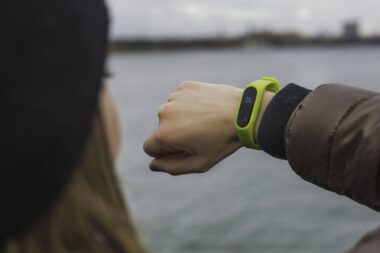
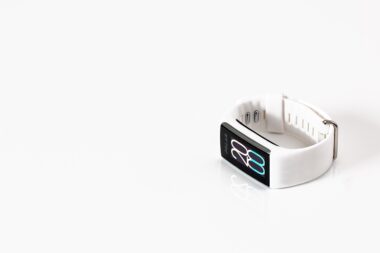
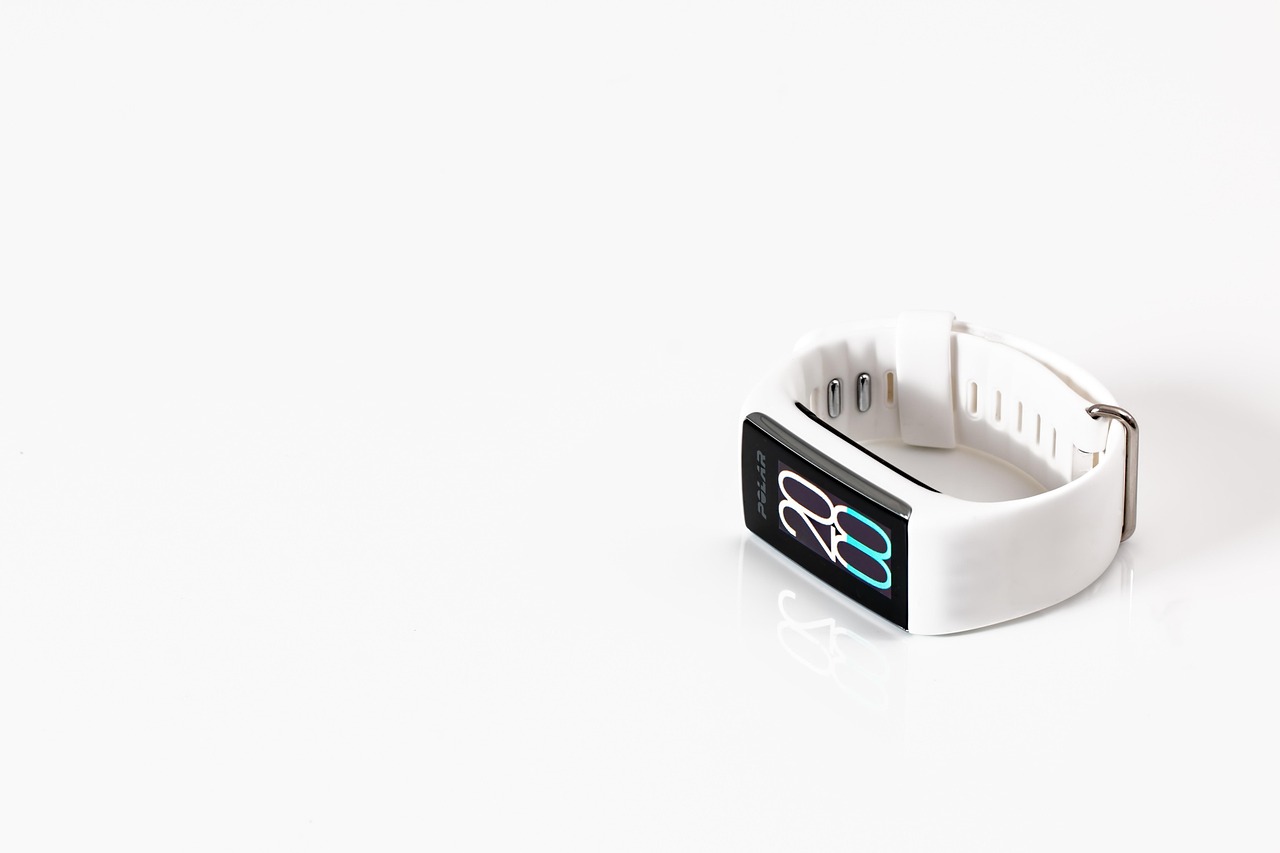
G monitors have emerged as a significant advancement in fitness technology, enabling users to track their heart rate continuously. This technology provides real-time data that helps individuals maintain optimal exercise intensity and overall health. The integration of electrocardiograms into wearable devices has transformed how athletes approach training and recovery. Fitness enthusiasts can now monitor their cardiovascular health during workouts, leading to better performance. Unlike traditional heart rate monitors, wearable ECG devices offer unparalleled accuracy, ensuring users receive reliable data. This increased precision allows for informed decision-making about exercise regimens, leading to safer training practices. Furthermore, wearable ECG monitors are designed for various activities, from running to weightlifting, making them suitable for diverse fitness levels. They can be worn comfortably, often resembling stylish watches or wristbands without obstructing movement. This combination of functionality and fashion appeals to users seeking both performance and aesthetics. The widespread adoption of wearable ECG technology can significantly improve fitness tracking, allowing users to achieve their health goals more effectively than ever before. As this technology continues to evolve, it promises to enhance not only individual fitness but also public health outcomes at large.
The accuracy of data provided by wearable ECG monitors is critical in understanding heart health and fitness performance. These devices use advanced sensors to detect minute electrical signals generated by the heart, turning complex data into easy-to-read metrics. This information enables users to identify any anomalies in their heart rhythms, which could indicate underlying health issues. For fitness enthusiasts, recognizing their body’s limits is essential, and these monitors provide invaluable insights. Wearable ECG devices typically sync with mobile applications that analyze heart rate trends, allowing users to track long-term patterns over time. Such analytics can highlight improvements or the need for adjustments in exercise routines. Additionally, many products in this category offer customizable alerts for unusual heart rate changes, pushing users to take timely action when necessary. By fostering a better understanding of cardiovascular health, individuals can improve their daily workout effectiveness and long-term health strategies. Furthermore, user-friendly interfaces make it easier for anyone to access their health data without needing medical expertise. This at-your-fingertips health insight encourages proactive health management participation in one’s fitness journey.
How Wearable ECG Monitors Enhance User Engagement
User engagement has taken on new significance with the introduction of wearable ECG monitors in the fitness landscape. These devices foster deeper connections between users and their health goals, creating an interactive experience that is both informative and motivating. For instance, fitness apps linked to ECG monitors often incorporate gamification features, challenging users to reach specific benchmarks or compete with friends. The friendly competition encourages individuals to maintain consistent exercise routines, leading to better health outcomes. Moreover, users can celebrate achievements through badges, milestones, or social sharing, further enhancing motivation. Wearable ECG devices also facilitate personalized fitness plans based on unique heart rate data, allowing users to optimize their training for maximum effectiveness. By tailoring exercise recommendations to individual capabilities, these monitors help prevent injuries and promote longevity in fitness practices. The continuous feedback loop created by wearable technology keeps users invested in their health journeys. Educational content related to heart health often accompanies monitor data, ensuring users not only receive stats but also understand their implications. This comprehensive approach empowers users to make more informed health decisions and fosters long-lasting adherence to fitness goals.
The integration of wearable ECG monitors into fitness devices extends beyond individual use; it has implications for health professionals as well. Healthcare providers can leverage patient data from these wearables to monitor cardiovascular fitness outside clinical settings. This capability is particularly valuable for individuals with pre-existing heart conditions, allowing physicians to keep a real-time pulse on their patients’ health. Such data can aid in tailoring treatment plans and ensuring timely interventions when needed. Moreover, wearable ECGs support remote patient monitoring, which has gained importance in telehealth’s rapid evolution. Patients equipped with these devices can share their heart health metrics with providers during virtual appointments, enhancing the quality of care received. This technology strengthens the patient-provider relationship, as healthcare professionals gain access to accurate data that traditionally required in-person visits. Additionally, cumulative health data trends enable more effective long-term analysis of patient outcomes. As more individuals adopt this technology, the potential for large-scale health analytics arises, paving the way for new insights into population-level cardiovascular health trends. This confluence of fitness technology and healthcare suggests a promising future for managing heart health holistically.
The Future of Wearable ECG Technology in Fitness
As wearable ECG technology continues to advance, its influence on fitness tracking is expected to expand further. Innovations are anticipated to include enhanced sensors that offer more detailed readings, encompassing additional metrics beyond heart rate. Future models may also focus on improved battery life and data storage capacity, allowing users to benefit from functional longevity and detailed historical insights. Furthermore, developments in artificial intelligence could facilitate smarter, more predictive analytics derived from heart data, enabling dynamic fitness plan suggestions based on individual activity levels and recovery needs. Users might receive real-time coaching tips based on ECG readings, optimizing their workouts for safety and efficacy. Increased collaboration between tech companies and health organizations could lead to standardized metrics, enhancing interoperability between devices from different manufacturers. This would ensure users can seamlessly integrate their data across platforms. Another potential innovation might involve personalized alerts for health anomalies that are customized based on a user’s unique medical history. With such advancements on the horizon, wearable ECG devices will likely become integrated health companions, evolving fitness tracking into comprehensive health management tools.
Adopting wearable ECG monitors encourages a new health-related lifestyle amongst users. Recognizing their heart health and fitness performance becomes a priority rather than an afterthought. Users develop an increased awareness of their fitness habits, exemplified in how they approach their routines. Many discover that understanding their bodies allows them to make more informed choices surrounding their physical activities. As data becomes integral to their fitness journeys, users place greater emphasis on various training elements, including the importance of recovery and rest. Integrating heart-rate variability (HRV) insights into fitness regimens promotes better recovery strategies. Athletes begin to appreciate rest days as crucial components for long-term success, rather than interruptions to their training. This shift in mindset fosters a healthier relationship between individuals and fitness, emphasizing balance over extremes. Such changes resonate beyond personal endeavors, often influencing discussions around fitness within social circles. The ripple effect of awareness around heart health improves community support for health-driven activities and programs. Ultimately, wearable ECG monitors are catalyzing a cultural evolution, prioritizing health data literacy and making fitness accessible and relatable to broader audiences.
Conclusion: The Impact of ECG Technology on Fitness Culture
In conclusion, wearable ECG monitors are revolutionizing fitness tracking as technology evolves. Through enhanced accuracy, user engagement, and real-time data analysis, these devices directly influence personal fitness journeys. They empower users to approach health proactively and reshape their understanding of fitness. As awareness of heart health spreads within communities, users create a culture that values knowledge and data-driven decision-making. The potential for collaboration between fitness enthusiasts and healthcare providers enhances health management strategies as well. Furthermore, the anticipated innovations in wearable ECG technology indicate a future rich with possibilities. Expect devices that offer more comprehensive insights and personalized coaching experiences to emerge on the market. This evolution promises to serve users of all fitness levels, fulfilling the growing desire for integrated health solutions. All these factors position wearable ECG monitors at the forefront of a movement toward informed and health-conscious living. With consumers embracing this change, redefined lifestyles prioritizing health will undoubtedly emerge. The influence of wearable ECG technology will likely persist in shaping the fitness landscape for years to come, creating positive ripple effects across society.
The landscape of fitness and health tracking continues to evolve as technology advances. Intelligent developments in wearable ECG devices reflect the growing demand for health insights. Through sleek designs and intuitive interfaces, companies create engaging experiences for users. Many integrations with smartphones and fitness apps enhance tracking simplicity and accessibility. As a result, more individuals are likely to utilize health technology to monitor vital signs during workouts. The convergence of fitness tech and health awareness ultimately fosters a proactive approach to fitness, focusing on wellbeing rather than solely physical appearance. The emphasis on cardiovascular health through wearables is gradually shifting fitness culture toward a more holistic perspective. Encouraging safer workouts and informed nutrition choices, the role of technology in health empowers users. Adopting these devices symbolizes a broader cultural shift, where data becomes an endemic part of everyday life. Individuals perceive exercise through the lens of health outcomes rather than traditional metrics like weight. Therefore, as wearable ECG technology continues to develop, it will undoubtedly remain central to promoting healthier lifestyles and improved fitness tracking that considers the entire body’s wellbeing.