
Martial Arts Schools: Guardians of Cultural Identity
Martial arts schools play a pivotal role in preserving not only techniques and styles but also the rich cultural identities associated with various traditions. These schools serve as a sanctuary for individuals seeking to delve into the roots of their respective martial arts, encompassing foundational philosophies, rituals, and practices that have transcended generations. Students are often introduced to a comprehensive curriculum that merges physical training with historical narratives, providing them with a deeper understanding of their chosen discipline. This dual focus generates a sense of belonging and respect for one’s heritage while championing the significance of cultural transmission. Diverse styles such as Kung Fu, Taekwondo, and Capoeira are typically explored, each embodying unique cultural narratives that echo historical concerns and communal values. Moreover, martial arts schools often promote gatherings, seminars, and competitions, which facilitate cultural exchange and foster unity among practitioners. These events serve as a platform for nurturing respect and mutual appreciation across different martial arts, further solidifying the schools’ mission of cultural preservation and community building.
Within the framework of martial arts, traditions manifest as crucial components that enrich the practitioner’s journey. Each martial art carries its set of rituals, philosophies, and values, imbibing respect and discipline into the daily practices of students. For instance, bowing before entering a dojo or adhering to the protocols of sparring reflects a commitment to tradition and honors the lineage of the art form. Thus, practitioners learn to embody values such as humility, honor, and resilience, which extend beyond the dojo and into their everyday lives. Furthermore, cultural storytelling often accompanies training, unraveling the histories behind techniques and forms, ensuring that students recognize their art’s roots. Celebrating cultural events like festivals and national holidays within martial arts schools fosters a sense of community and strengthens ties among students. These cultural connectors not only enhance the overall learning experience but also instill a sense of pride in one’s identity as martial artists. This shared journey through tradition creates bonds that last, shaping not only skilled martial artists but also conscientious global citizens.
The Role of Instructors
Instructors in martial arts schools are custodians of cultural knowledge and are instrumental in conveying both technical skills and the underlying philosophies tied to the practices. Their roles transcend mere teaching; they act as mentors, embodying the virtues that students strive to learn. Through their guidance, students appreciate the stories and lessons behind various techniques, helping demystify the underlying cultural significance of martial arts. Instructors often share personal narratives, bridging the traditional sense of community with contemporary relevance. This relationship between student and instructor is vital, as it creates a learning environment deeply rooted in respect and trust. Additionally, instructors may also participate in community outreach, conducting workshops that aim to spread awareness about the cultural facets and societal values reflected in martial arts. Such efforts not only extend the visibility of martial arts schools but also reinforce the importance of preserving cultural identities in a rapidly homogenizing world. By championing the principles of respect, discipline, and cultural heritage, instructors inspire students to carry on these traditions to future generations.
The evolution of martial arts schools across various communities consistently reflects the changing cultural landscapes they inhabit. As societal values shift, martial arts schools adapt, merging traditional teachings with contemporary lifestyles, thereby appealing to new generations. These adaptations may be expressed through the integration of modern training techniques, focusing on mental fitness alongside physical prowess. Furthermore, many martial arts schools embrace diversity by welcoming students from varied backgrounds, fostering an inclusive environment that enriches the community. This exchange of multicultural perspectives often safeguards traditional cultural practices while simultaneously allowing them to evolve within a modern context. Schools may also implement programs focusing on self-defense strategies tailored to address current societal issues, showing responsiveness to contemporary challenges. Such initiatives enhance the cultural relevance of martial arts, allowing students to connect their training to real-world applications. This intersection of tradition and modernity is emblematic of how martial arts schools cultivate an enduring appreciation for cultural heritage while promoting adaptability and resilience in their practitioners. Their legacy is not static; rather, it is a vibrant tapestry woven with both past experiences and future aspirations.
Cultural Exchange Through Competition
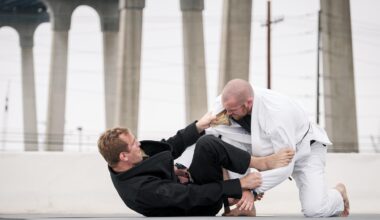
Competitions organized by martial arts schools present unique opportunities for cultural exchange and celebration, bridging the gap between diverse communities. These events not only showcase technical skills but also emphasize mutual respect and camaraderie amongst competitors. Participants have the chance to demonstrate their abilities, all while honoring the cultural practices that influence their respective martial art forms. Each competitor often wears a gi or uniform that reflects their discipline’s aesthetics and cultural significance. Through competitions, students engage not only in friendly rivalry but also in learning about various traditions and philosophies. This environment encourages them to appreciate differences and celebrate similarities among martial arts, fostering a sense of unity. Moreover, these events also attract spectators, who gain insights into different martial arts heritage and the stories embedded within each practice. Cultural exhibitions might accompany competitions, showcasing traditional performances, music, and food as a complementary experience. This highlights the interconnectedness of martial arts and culture, demonstrating the shared values that transcend geographic boundaries and enriching each participant’s personal journey.
In today’s globalized environment, martial arts schools often face the challenge of preserving traditional practices while adapting to changing societal norms. As student demographics shift and cultures intermingle, schools may find innovative ways to maintain cultural integrity amidst evolving landscapes. This balancing act can take various forms, from offering classes that celebrate cultural roots to integrating mixed martial arts styles that appeal to broader audiences. Facilitating workshops focusing on cross-cultural learning is another method schools adopt to promote understanding and appreciation of different traditions. By embracing adaptability, martial arts schools ensure that they remain relevant and accessible to future generations while continuing to honor the histories and traditions that shape their identities. Furthermore, engaging with local communities supports the preservation of not only the arts but also the cultural narratives accompanying them. In this way, schools not only function as education centers but also as cultural hubs that encourage ongoing dialogue about identity, belonging, and the importance of heritage. The challenges faced by martial arts schools are seen as opportunities rather than hurdles, steering them towards creative solutions that foster both tradition and innovation.
The Future of Martial Arts Schools
The outlook for martial arts schools amidst rapid globalization and cultural exchange embodies a hopeful narrative filled with transformation. These schools possess the potential to remain beacons of cultural identity by continuing to innovate while adhering to their core philosophies. The role they play in nurturing future generations extends beyond proficiency in techniques; they shape community leaders who understand the importance of cultural preservation. By enhancing collaborative relationships with global martial arts networks, schools can share insights and practices that enrich their local facets. Moreover, developing online platforms has enabled martial arts communities to bond across geographical boundaries, facilitating cultural exchanges through virtual seminars, competitions, and training sessions. This connectivity not only amplifies the visibility of martial arts but also allows schools to showcase their unique practices and philosophies to a global audience. Additionally, an emphasis on self-defense training rooted in cultural wisdom addresses contemporary societal challenges, showcasing the evolution of martial arts as relevant and practical. Looking forward, martial arts schools stand poised to redefine their role within their communities, ensuring that cultural identity remains central to their mission, enriching lives one lesson at a time.
As martial arts schools continue to thrive across various cultures, their multifaceted roles will surely expand and adapt to the changing forces of society. The weight of cultural heritage embedded in their teachings cannot be overstated; it is the foundation on which future generations will build their identities. The lessons learned within these schools extend beyond the dojo, fostering qualities like confidence, resilience, and respect that resonate throughout each student’s life. The unique blend of tradition and adaptability allows these institutions to not only preserve cultural legacies but also respond to modern societal realities effectively. Therefore, champions of martial arts must remain committed to embracing the richness of their traditions while also innovating to cater to evolving expectations. As the journey continues, staying aligned to the core values of martial arts will guide schools in their mission to serve their communities. The narratives intertwined within martial arts transcend mere physical practice; they embody stories of resilience, community, and identity that unite practitioners from diverse backgrounds. Martials arts schools stand as vital institutions, ensuring that cultural identities are celebrated, sustained, and honored for generations to come.