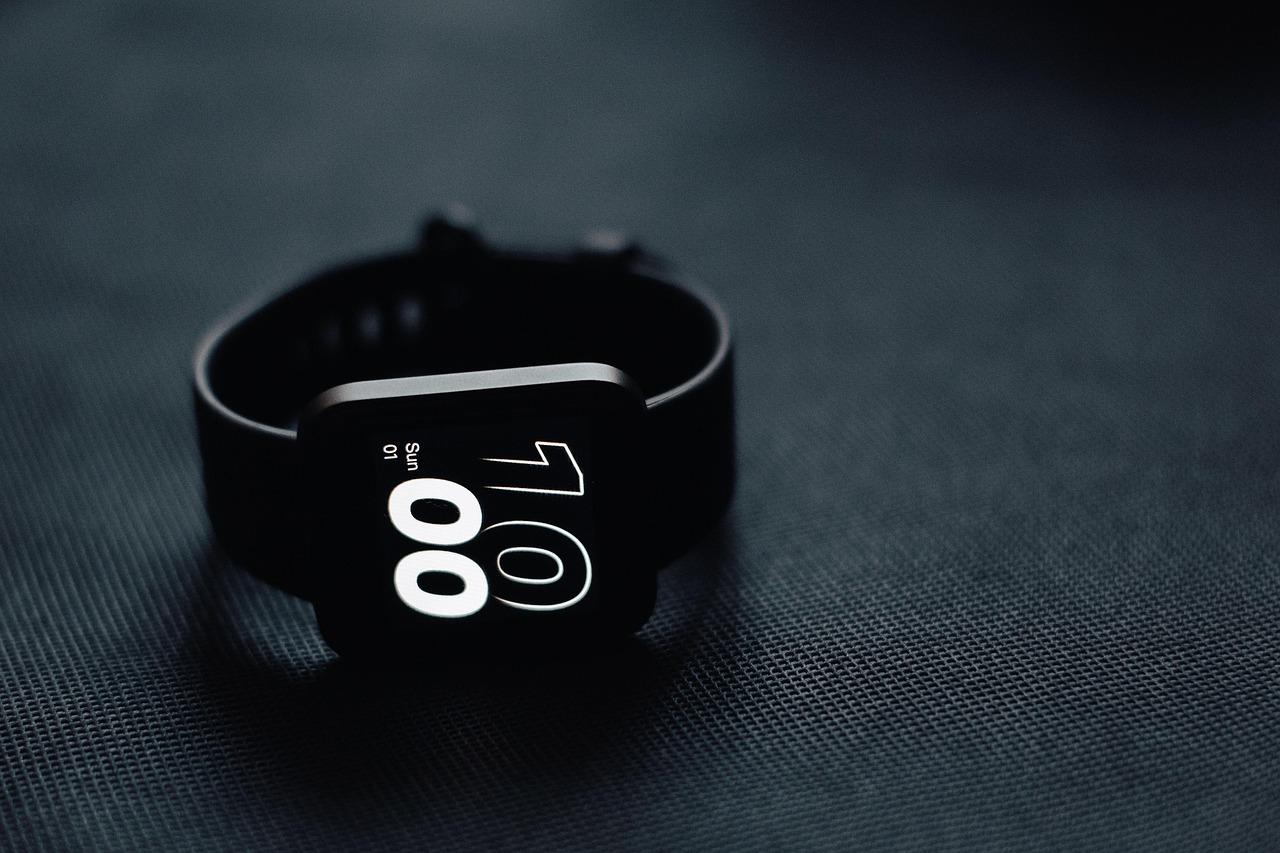

Wearable Tech for Monitoring Balance in Dynamic Movements
The incorporation of wearable tech into the realm of balance training represents a technological shift in health and fitness. These devices utilize advanced sensors capable of monitoring body movements with precision, enabling users to track their performance. Wearable technology has made it possible to gather data on balance, stability, and coordination during dynamic movements. This data provides users with immediate feedback on their performance, allowing them to focus on improving their balance skills. Additionally, the ability to analyze this data over time helps users identify trends and make necessary adjustments to their training regimens. With various forms of wearable technology, including smart shoes, fitness trackers, and smart clothing, individuals are empowered to engage in focused balance training. These devices are not just for athletes; they can be useful for anyone looking to enhance their balance capabilities. Moreover, integrating technology into balance training can lead to improved safety while performing physical activities. As wearable technology continues to evolve, we can expect even more innovative features designed to enhance balance and coordination in dynamic movements.
One of the significant benefits of wearable devices is their ability to provide real-time feedback to users, which is crucial for effective training. For instance, technologies equipped with gyroscopes and accelerometers help quantify body sway, indicating how well an individual maintains their balance during movement. This feedback loop ensures that users can immediately understand their balance capabilities and make necessary adjustments while exercising. Additionally, wearing a device allows users to set specific training goals based on their tracking data, promoting a structured approach to balance training. As a result, individuals can progressively challenge themselves by aiming for more complex movements, which further aids in enhancing their dynamic balance. Furthermore, many wearable devices can connect with smartphone applications, allowing users to visualize their balance data comprehensively. These applications may also help with workout suggestions and programs specifically tailored to enhancing balance-related skills. Overall, real-time data and feedback are transforming how people approach balance training, making the experience much more engaging and effective.
The Role of Data Analytics in Balance Training
Data analytics plays a pivotal role in optimizing balance training through the use of wearable technology. By collecting data on various aspects of an individual’s physical performance, algorithms can process this information to provide tailored recommendations for improvement. This is especially important in identifying and analyzing weaknesses in balance and coordination that an individual may not notice on their own. For instance, an athlete may rely on feedback data that points out subtle shifts in their center of gravity that impact performance. This analysis can lead to personalized training regimes that target specific deficits. Consequently, wearables can serve as coaching tools, guiding users through exercises that strategically enhance their balance. Furthermore, the continuous monitoring trends in balance data can unveil patterns that indicate potential physical issues before they escalate into injuries. Preventative strategies developed from data insights can empower individuals to take charge of their training regimen, assisting in achieving their goals more effectively. As wearables become more sophisticated, the data generated will become increasingly valuable, paving the way for breakthroughs in balance training.
Incorporating gamification elements into wearable technology can also boost engagement and adherence to balance training programs. Many applications connected to these wearable devices now integrate game-like challenges, allowing users to compete against themselves or others. This creates a fun and motivating environment where users are excited to improve their balance skills, thus increasing the effectiveness of their training. The competitive aspect encourages users to meet or surpass their previous achievements, fostering a sense of accomplishment. Moreover, by turning balance training into an interactive experience, individuals become less likely to drop out of their training routines. These enhancements resulting from wearable technology have shown to significantly improve overall motivation and adherence to training protocols. Gamified balance training opens new doors for rehabilitation settings, where patients who often struggle with motivation can benefit considerably. Providing a stimulating platform for users will create an excellent opportunity to cultivate their skills and facilitate recovery. The bridge between technology and behavioral science is vital in creating impactful solutions that help solve real-world challenges in balance training.
Use Cases in Different Populations
Wearable technology for monitoring balance is a game-changer across various populations such as athletes, elderly individuals, and rehabilitation patients. For athletes, maintaining peak performance levels and preventing injuries often revolves around effective balance training. Athletes can utilize wearables to analyze their footwork and agility, adjusting their training based on valuable feedback data. Meanwhile, older adults are at increased risk of falls, making balance training essential to longevity and quality of life. Devices that track stability assist this demographic in improving their functional abilities, allowing them to resume daily activities with confidence. In rehabilitation settings, physiotherapists can leverage wearables to monitor patients’ progress in real-time, aiding in the treatment of balance disorders resulting from injuries or neurological conditions. This tailored approach ensures a more efficient recovery process, helping patients achieve their rehabilitation milestones. Importantly, these applications and benefits apply to everyone, advocating for balance training and awareness. Ultimately, wearable technology is redefining how individuals engage with balance training, allowing tailored methods for diverse needs.
As we look to the future, advancements in technology will continue to refine the wearable devices utilized in balance training. The next generation of wearables may offer even greater accuracy, allowing for deeper analysis of biomechanics related to balance. Imagine devices that not only track movements but also provide insights into muscle fatigue and joint stress during dynamic activities. This enhances the understanding necessary for optimizing training protocols. Another potential innovation includes the incorporation of machine learning algorithms, capable of personalizing feedback and recommendations in real-time. This could mean a device that adapts suggestions based on performance trends over time. Additionally, the prospects of virtual reality (VR) are exciting for improving balance skills. VR combined with wearable technology could offer immersive training experiences, allowing users to practice balance exercises in various virtual environments. The possibilities for creation and enhancement are immense, presenting an exciting horizon for those involved in balance and coordination training. As technology permeates fitness and rehabilitation, we anticipate a future overflowing with innovations that will redefine existing training practices.
Conclusion: The Future of Balance Training
In conclusion, wearable technology for monitoring balance in dynamic movements presents exciting opportunities. As devices become more sophisticated, their potential to contribute to balance training expands accordingly. Through real-time feedback, data analytics, and gamification, users are presented with tools designed to enhance their balance capabilities in engaging ways. Tailored training programs based on precise data points will increasingly become the norm, empowering individuals across various demographics. The demand for efficient training solutions means a shift towards personalized methods that incorporate unique individual needs and strengths. Hospitals and fitness centers are likely to adopt these technologies as integral components of their services, offering patients and clients innovative pathways to improved balance and stability. Moreover, as researchers continue to explore the connections between technology and human performance, we can anticipate remarkable developments that promote training effectiveness. By embracing the advancements of wearable tech, individuals can work towards better balance abilities, reducing fall risks, and optimizing functional performance. As we venture into this dynamic future, the intersection of balance training and technology will undoubtedly create transformative impacts on physical performance.