
Plant-Based Milks: Choosing Sustainable Alternatives to Dairy
In recent years, the shift towards sustainable eating practices has become increasingly popular as individuals seek nutritious alternatives to traditional dairy products. Plant-based milks, derived from sources such as almonds, soy, oats, and coconuts, have emerged as viable options. These alternatives not only cater to lactose-intolerant individuals but also appeal to those aiming to reduce their environmental footprint. The production of dairy involves significant resource consumption, including water and land use. In contrast, plant-based milks generally require fewer resources to produce. This makes them a more sustainable choice for those committed to eco-friendly living. With an array of flavors and nutritional profiles, people can easily substitute dairy with options that fit their dietary needs. It’s essential to educate oneself about the various types available, including their benefits and drawbacks. Reading labels carefully can help consumers make informed decisions, ensuring they choose the healthiest and most sustainable options available. As more brands continue to innovate, the market for plant-based milks is expected to expand, making it easier for everyone to partake in this sustainable trend.
When considering the various types of plant-based milks, each option has distinct nutritional benefits and unique challenges. For instance, soy milk is a rich source of protein and closely mimics cow’s milk in terms of texture and flavor. It often contains added calcium, making it a popular choice among those who still want a nutrient-dense alternative. Almond milk, on the other hand, is lower in calories and carbohydrates but typically contains less protein. It’s ideal for those seeking weight loss or reducing carbohydrate intake. Oat milk has surged in popularity due to its creamy texture and versatility; it’s great in coffee and cooking. However, it generally contains more sugars than other options. Coconut milk can add a rich flavor but is higher in saturated fat. It’s important for potential consumers to assess their nutritional needs when choosing a milk alternative. Aside from dietary factors, individuals should also consider their sustainability preferences. Investigating the sourcing and production practices of different brands is crucial. By doing so, consumers can support companies that prioritize ethical farming and eco-friendly practices.
Environmental Impact of Dairy vs. Plant-Based Milks
The environmental impact of food production is an essential aspect of sustainable eating practices, particularly regarding the choice between dairy and plant-based milks. Dairy farming contributes significantly to greenhouse gas emissions, primarily from methane released by cows. This contrasts sharply with the environmental impact of producing plant-based milks. For example, almond and oat milk require significantly less land and water, influencing the overall carbon footprint. In fact, producing one glass of almond milk uses approximately 74% less water than producing a glass of cow’s milk. Additionally, palm oil, used in some brands, can lead to deforestation, so it’s advisable to seek brands that source their ingredients sustainably. Choosing almond or soy is not without its controversies, as both have their environmental concerns. Almond farming requires extensive water resources, especially in drought-prone areas. Thus, consumers must be conscious of sourcing practices and choose brands committed to environmental stewardship. This balanced approach will not only aid personal health but will significantly contribute to reducing one’s impact on the planet.
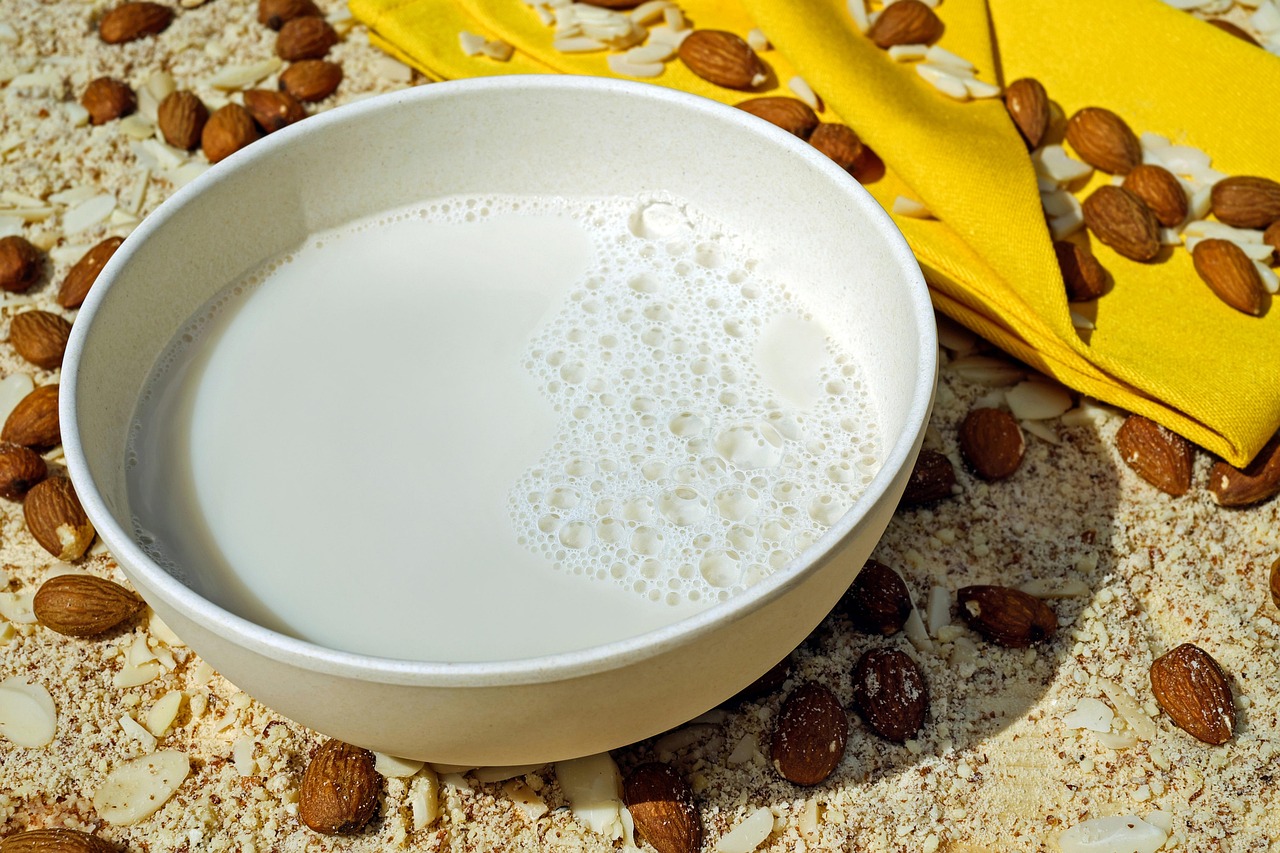
When embarking on a journey towards sustainable eating, educating oneself on how to choose and prepare plant-based milks is crucial. Commonly available options include soy, almond, oat, rice, and coconut milk, each with a distinctive taste and texture. Soy milk is considered the most similar to cow’s milk, making it suitable for baking, cooking, and as an additive in tea or coffee. Almond milk offers a nutty flavor, which works beautifully in smoothies and cereals. Oat milk, particularly the barista versions, froths well and can be an excellent addition to coffee-based drinks. It’s worthwhile to experiment with homemade options, which lets individuals control the ingredients and flavor profiles. Making plant-based milk involves blending the chosen base with water and straining it. This simple process ensures avoiding additives present in many store-bought brands. Additionally, homemade versions are often fresher and can incorporate flavorings like vanilla or cocoa. Balancing sustainability and nutrition is key to making informed choices regarding dairy alternatives, ultimately promoting personal health and reducing environmental harm.
Health Benefits of Plant-Based Milks
Every choice made regarding nutrition can significantly influence health outcomes, making it essential to weigh the health benefits of plant-based milks against traditional dairy. Plant-based milks are typically lower in calories and saturated fats, making them heart-healthy alternatives to whole dairy products. Many options are fortified with vitamins and minerals, offering comparable nutritional profiles. For example, many soy and almond milks are enriched with calcium and vitamin D, two nutrients vital for bone health. Moreover, plant-based milks are often lactose-free, making them suitable for those with lactose intolerance or dairy allergies. They can also be easier to digest, fostering better gut health. Furthermore, consuming plant-based options promotes a diverse microbiome, as these products often contain beneficial fibers. The shift towards plant-based milks can also lower the risk of various chronic diseases, including heart disease and obesity. As dietary patterns shift more towards plant foods, it’s essential to get advice from a healthcare professional or dietitian to ensure all nutritional needs are met effectively, ultimately enhancing the overall dietary quality.
Incorporating plant-based milks into daily routines can be both exciting and fulfilling. With numerous applications in cooking, beverage making, and baking, the versatility of these options cannot be overstated. Individuals can substitute cow’s milk for any plant-based alternative in recipes such as smoothies, soups, sauces, and even desserts. For instance, oat milk can be perfect for creamy sauces due to its texture. Almond milk can deliciously replace cow’s milk in pancake recipes but may require adjustment in cooking times. Understanding the different flavor profiles allows one to make informed substitutions that enhance the dish’s overall quality. Additionally, plant-based milks can also be enjoyed on their own, serving as nutritious beverages for breakfast or snacks. Flavoring options are abundant; adding cinnamon, cocoa powder, or vanilla essence can create delightful variations. Many brands offer ready-made flavored versions, making them convenient choices for busy individuals. As interest grows in plant-based eating, creativity in the kitchen allows individuals to enjoy these alternatives in exciting and healthful ways. Overall, while incorporating plant-based milk, experimentation is key to discovering the perfect blend that suits personal taste.
Conclusion: The Future of Plant-Based Milks
The future of plant-based milks looks promising as more people shift towards sustainable eating options. With constant innovation in the food industry, new varieties of plant-based milks continue to emerge, accommodating various dietary preferences and needs. This trend encourages sustainability while catering to consumer demands for nutritious and delicious alternatives. As awareness of the environmental impact of food choices expands, consumers become more willing to explore plant-based options. Food producers are also rising to the challenge, improving the taste and texture of alternatives to appeal to a broader audience. The potential for diversification in dairy alternatives ensures that consumers will find suitable options, whether they prefer sweet, savory, creamy, or nutty flavors. This ongoing evolution will likely lead to the establishment of a more inclusive food ecosystem where dietary restrictions and preferences can coexist harmoniously. In the coming years, education on nutrition and sustainable practices will be vital as green marketing increases. Fitness enthusiasts, families, and curious individuals will benefit from knowledge surrounding these options, promoting better health and a cleaner environment.