
The Impact of Environmental Factors on Sports Performance
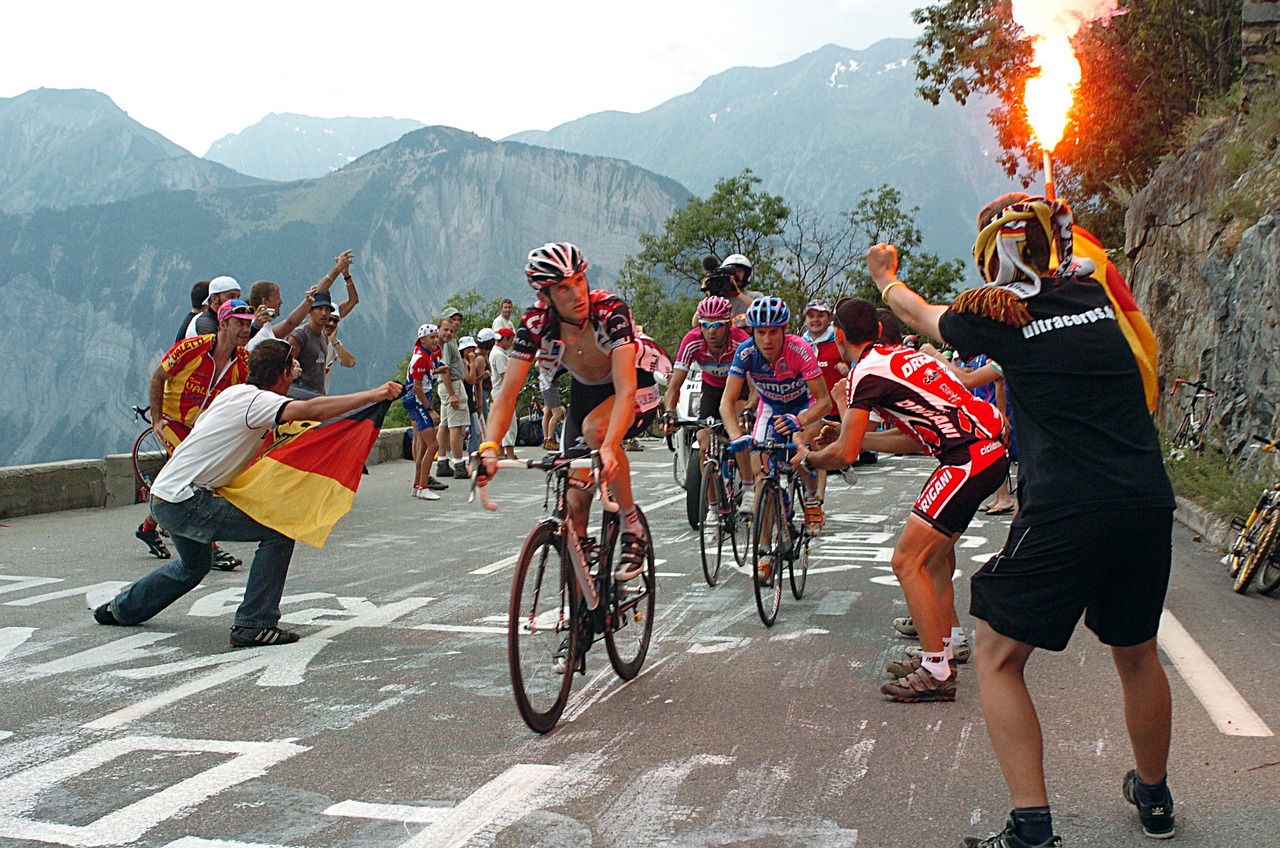
Environmental factors are crucial in shaping athletes’ performance. These components include temperature, humidity, altitude, and more. They can either enhance or hinder an athlete’s capabilities significantly. For instance, extreme heat may cause heat exhaustion and poor performance levels during outdoor events. In contrast, cooler temperatures often facilitate better endurance and recovery. Humidity levels also play an essential role; high humidity hampers the body’s ability to cool itself, potentially leading to fatigue. On the other hand, altitude affects oxygen availability, with athletes performing differently at lower vs. higher elevations. A thorough understanding of these elements can help coaches and athletes adapt their training and prepare better for competitions. Moreover, by knowing the weather conditions, athletes can manage their hydration and nutrition strategies effectively. Furthermore, techniques such as heat acclimatization are essential for improving performance in adverse conditions. Ultimately, athletes must consider these environmental factors when devising training protocols and competition schedules. The interplay of these factors underscores the importance of tailored strategies to maintain peak performance regardless of external elements.
In addition to temperature and humidity, air quality has a profound impact on sports performance. Areas with high pollution can reduce oxygen intake, adversely affecting aerobic capacity. Athletes often notice a marked decline in endurance when competing in polluted environments. Furthermore, training in areas with poor air quality can lead to respiratory issues over time. Another essential environmental factor is elevation, where lower oxygen levels at high altitudes can induce fatigue more rapidly. Athletes who train at altitude may experience improved performance at sea level, thanks to adaptations in their physiology. Understanding and utilizing these environmental factors can result in performance enhancements through better planning. Likewise, athletes competing in hilly terrains may benefit from strength and conditioning focused on resistance training and hill workouts. Seasonal variations can also pose challenges that athletes must navigate carefully, necessitating adjustments in training to enhance resilience against varying conditions. Overall, thorough preparation regarding environmental factors can enhance performance outcomes, ensuring athletes are ready to face challenges and optimize their capabilities regardless of circumstances.
The Role of Adaptation
Adaptation to environmental conditions is essential for athletes aiming for peak performance. Developing resilience requires continuous exposure to varying climatic conditions. For instance, heat acclimatization can improve an athlete’s tolerance to extreme temperatures. Athletes achieving this adaptation can maintain higher performance levels in hotter climates than those who haven’t. Similarly, adapting to high altitudes through tailored training can also yield significant benefits for endurance athletes. When athletes prepare adequately for the environments they will compete in, they can optimize their performance. Effective adaptation involves strategic planning, such as adjusting training schedules to coincide with specific environmental factors. Knowledge of individual responses to heat, cold, and altitude gives athletes an edge. Additionally, performance can be enhanced through tailored nutrition and hydration strategies aligned with environmental conditions. For example, meticulous hydration plans during hot, humid weather can mitigate dehydration risk and promote optimal performance. The incorporation of recovery strategies into training schedules is also vital. Successful adaptation hinges not just on physical training alone but also on recognizing how these external factors work together, empowering athletes to thrive in any conditions.
Moreover, another critical aspect is psychological preparedness. Innovative techniques, such as mental visualization, can help athletes better handle stress associated with challenging environments. Visualization involves imagining specific scenarios, conditions, and feelings beforehand to prepare mentally. This psychological strategy enhances confidence and performance in adverse situations. Furthermore, the impact of crowd dynamics, including audience support, can either raise performance levels or create pressure, thus emphasizing the need for mental training. Athletes can harness motivational techniques to combat anxiety and improve focus. The emotional landscape influenced by environmental factors is often underappreciated yet equally significant for optimal performance. For example, factors such as mist, bright sunlight, or even noise levels can affect concentration during a game. Athletes should work with sports psychologists to develop mental strategies that will bolster their performance in various environments. This comprehensive approach ensures athletes not only prepare physically but also mentally. Creating a robust psychological framework assists in achieving peak performance while navigating diverse conditions and challenges faced during competition.
Climate Change Considerations
Moreover, with the evolving landscape due to climate change, environmental factors increasingly impact sports performance. The increase in extreme weather events undermines traditional training and competition schedules, forcing athletes and coaches to rethink approaches. Rising temperatures can lead to heat stress, altering the dynamics of competitions, especially in endurance sports. Furthermore, escalating weather volatility can disrupt seasonal training plans. Just as athletes prepare for fixed environmental conditions, adaptability has become paramount. Coaches must strategize around unexpected changes to ensure athletes remain competitive at elite levels. The focus on sustainability in sports can lead to emerging practices which help mitigate environmental effects on performance and training. Partnership with environmental organizations can promote awareness and foster initiatives aimed at adapting to these changing elements. By embracing technology that aligns with nature, athletes can enhance their performance while acting as stewards of the environment. Collaborative efforts will play a crucial role in evolving sports excellence in a warming world. As the climate continues to change, the approaches to training, nutrition, and competition will need to innovate, ensuring athletes can continue to excel despite shifting environmental circumstances.
To mitigate the negative impacts of environmental factors on sports performance, emphasizing resilience training is critical. Key components of this training include acclimatization sessions tailored to specific conditions and environments. For instance, introducing athletes to varying weather scenarios helps them adapt and adjust their strategies accordingly. Regular assessments of athletes’ performance under different conditions can uncover areas needing attention. Implementing cross-training can also enhance athletic performance by utilizing diverse training environments or activities. For example, complementing road running with trail running can aid adaptation to fluctuating terrain and weather conditions. Specific drills mimicking competition climates can teach athletes how to manage environmental variables effectively. Prioritizing recovery strategies, including rest, nutrition, and hydration, plays a vital role in fortifying resilience. Moreover, working with sports nutritionists to craft tailored nutrition plans that address specific environmental factors can further elevate performance. All in all, resilience training can significantly influence sports performance across varied environments, ensuring athletes remain competitive in the face of adversity. Building resilience through diligent training ultimately sets the stage for consistent achievement and peak performance outcomes.
Conclusion and Future Directions
In conclusion, understanding environmental factors is crucial for enhancing sports performance. Temperature, humidity, altitude, air quality, and psychological preparation play significant roles in athletes’ optimal performance. The importance of sheltered training environments cannot be overstated, providing athletes with opportunities to acclimatize effectively. As technology progresses, innovations supporting performance improvement may arise, fostering opportunities for athletes to adapt better to their environments. Future research must continue exploring the interplay between environmental factors, athlete psychology, and performance metrics. Further advancements in sports science will better inform training methodologies adapted for diverse conditions. Additionally, collaboration with environmental scientists can yield insight into long-term impacts of climate change on sports. Thus, addressing these critical issues is vital in fostering a sustainable future in sports. As we move forward, prioritizing environmental factors will enhance the athletic experience, ensuring athletes achieve excellence regardless of the conditions. This multidimensional approach will not only enhance performance but contribute to a comprehensive understanding of the intricate interplay between athletes, their environments, and their psychological frameworks.
Overall, the synthesis of training protocols, psychological strategies, and awareness of environmental factors is essential for achieving optimal sports performance. It lays the groundwork for athletes to realize their maximum potential while engaging effectively with their surroundings. Commitment to adapt and flourish in variable conditions is integral to thriving in competitive sports. The focus shifts towards individual adaptation strategies while also promoting sustainability within sports organizations. Embracing this multifaceted approach will yield resilience among athletes and enhance overall performance across levels. Aspiring athletes must remain informed and proactive, fostering a deep understanding of how the environment influences every aspect of performance. These developments emphasize the end goal—creating capable athletes equipped to handle the challenges of their respective sports. Coaches and athletic trainers must remain adaptable, focusing on modifications to training and competition plans in response to changing environmental circumstances. Ultimately, this commitment to understanding the core factors affecting performance, from environmental conditions to psychological influences, can lead to greater success and breakthroughs in sports performance analysis. As we advance, a holistic framework focusing on the associations between factors will undoubtedly propel the future of sports performance analysis.