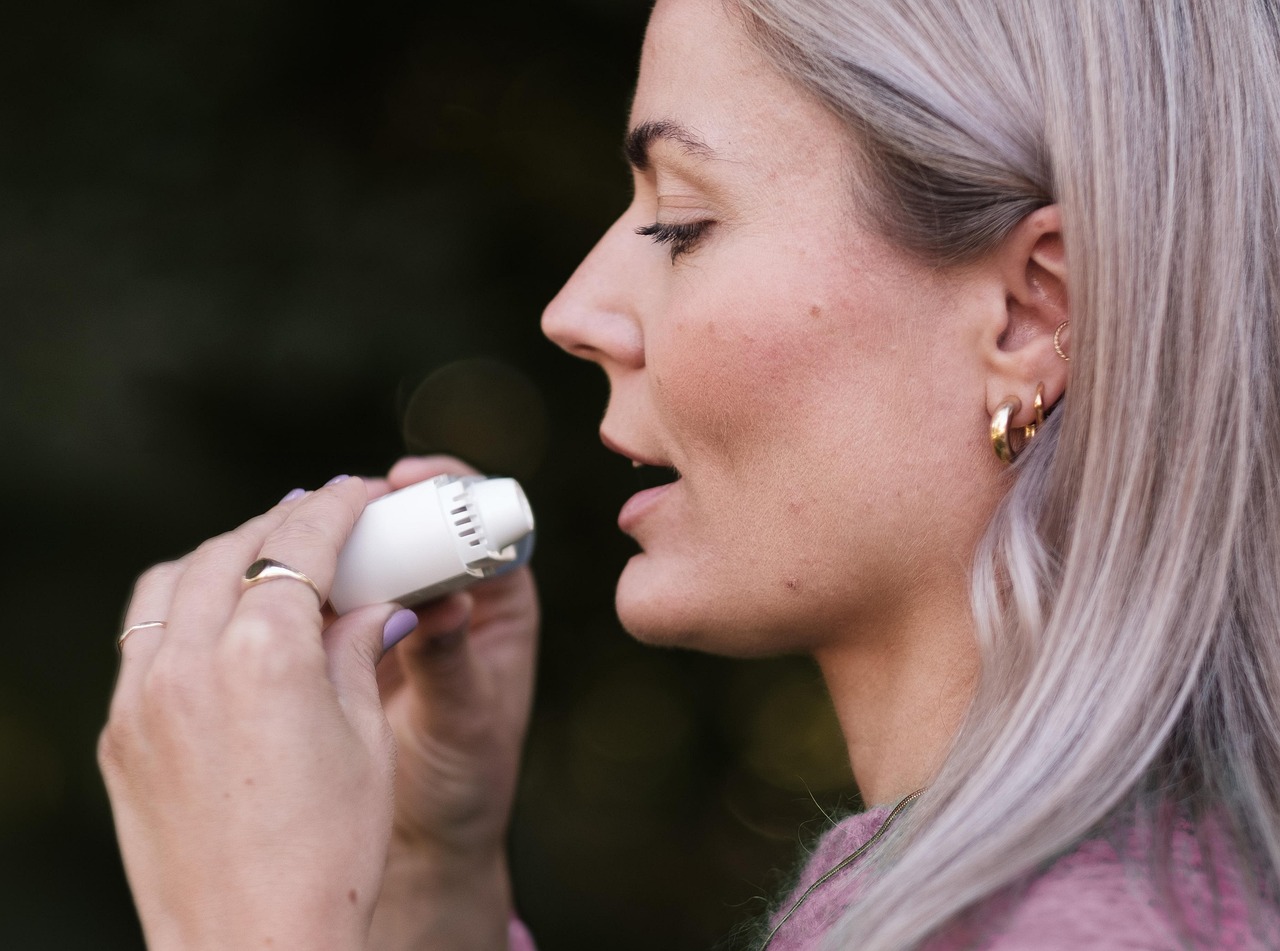

Travel Tips for Exercising with Chronic Respiratory Disease
Traveling can be challenging for individuals with chronic respiratory diseases. It’s crucial to plan ahead to ensure a safe and enjoyable experience. Before your journey, consult your healthcare provider to discuss necessary precautions. Bring along all medications, including inhalers and any other necessary medical supplies. Create a checklist to ensure you have everything you need. Make note of local hospitals near your destination in case of an emergency. Choose accommodations that accommodate your needs, such as non-smoking hotels, and request air purifiers or humidifiers if necessary. During travel, maintain hydration by drinking enough fluids. Lack of moisture in the air during flights may aggravate your condition. Consider wearing a mask in crowded places to protect yourself from harmful particles. Additionally, opt for transportation methods that allow for easy movement and ventilation, such as cars versus buses. Adapting your exercise routine while traveling is also essential. Research local gyms or fitness facilities in advance to find suitable environments for your workouts.
When navigating an unfamiliar area, consider engaging in low-impact exercises such as walking or cycling. If you’re staying in a hotel, inquire about any exercise amenities they offer. Utilizing stairs instead of elevators when it’s safe is a great way to stay active. Incorporating breathing exercises into your routine can significantly improve your lung function and overall comfort. Finding a local exercise group can provide social interaction while keeping you motivated. Many cities have walking tours or outdoor yoga classes, which can be beneficial for respiratory health. Joining activities that align with your fitness level allows you to enjoy your travels without overexerting yourself. Always listen to your body and adjust accordingly, avoiding strenuous activities if you experience any symptoms. If hiking, choose less rigorous trails that are still scenic. Regular stretching should also accompany your travels, as this can ease tension in your body, promoting muscle recovery and relaxation. Keep your doctor’s contact information handy while traveling for easy access in case of emergencies.
Staying Prepared While Exploring
Exploring new environments can be exciting, but being prepared is key for individuals with chronic respiratory conditions. Understand the air quality of your destination, as locations with high pollution levels can trigger symptoms. Check the Air Quality Index (AQI) and try to time your outdoor excursions when the air quality is at its best. Staying indoors during high pollen or smog days is advisable. Carry a portable air purifier or use essential oils to create a comfortable breathing space wherever you are. Keep your inhalers and any other necessary medications easily accessible. Having emergency contacts saved on your phone is beneficial when visiting unfamiliar places. If you plan to explore nature, do research on plant species that may trigger allergies, as well as local weather conditions that can affect your breathing. Wearing supportive footwear encourages physical activity while traveling. If you know you need to rest, don’t hesitate to take breaks. Pacing yourself is essential to managing fatigue and ensuring you can enjoy your travels alongside your fitness goals.
Engaging with Online Fitness Communities
With technology at our fingertips, individuals with chronic respiratory diseases can connect with online fitness communities for support. These groups offer motivation, exercise tips, and advocacy for healthy travel habits. Online platforms enable you to share experiences with others facing similar challenges, providing emotional support. Joining these communities can enhance mental well-being while promoting your fitness journey. Look for local meet-up groups, forums, or social media accounts dedicated to chronic illness and fitness. Connecting with others can inspire you to stay active, even while traveling. Participate in virtual workouts or challenges, making them accessible from anywhere. Engage in discussions about the best exercises for individuals with respiratory concerns. Follow influencers or professionals focused on chronic conditions; they frequently share helpful resources and adaptable workout plans. Online support not only fosters connections but also provides useful information on diet and nutrition. Many community members share their travel experiences, including destinations that cater to health needs. Remember, engaging with a community can greatly improve your motivation and enjoyment of staying fit on your travels.
In addition to physical support, mental health plays a significant role in managing chronic respiratory diseases. Don’t forget the importance of mindfulness and relaxation techniques. Meditation can help with anxiety related to traveling, and yoga can assist with flexibility and breathing. Look for local yoga studios that offer classes for various skill levels. Integrate breathing exercises into your travel routine to enhance lung function. Deep breathing techniques can be particularly grounding amidst the chaos of travel. Identify specific times during your trip to prioritize self-care, whether through walks in nature or yoga sessions. Utilize travel time for mindfulness practices, reinforcing positive mental habits. Having a travel buddy can provide additional support, increasing confidence. Ensure your travel partner understands your needs, whether that means frequent breaks or specific dietary requirements. Communication is key, so share your considerations before traveling. Keep practicing your breathing techniques, ensuring they are a regular part of your routine. This support network provides safety and companionship, reducing stress levels. Manage stress and anxiety by incorporating these practices as essential components of your travel itinerary.
Importance of Nutrition on the Go
Nutrition plays a vital role in maintaining wellness for those with chronic respiratory diseases. During travel, being mindful of your diet can help control symptoms and promote overall health. Pack healthy snacks such as nuts, fruits, or granola bars for quick bursts of energy without drastic blood sugar fluctuations. When dining out, opt for nutrient-dense meals that are high in antioxidants. Foods like leafy greens, berries, and fish can protect lung health during travel. Stay hydrated by drinking plenty of water, especially in hot weather. This will assist in maintaining lung function and overall vitality. It also helps to avoid processed, high-sugar snacks that can lead to lethargy or inflammation. Familiarize yourself with local cuisines that provide healthy options, as different destinations may have unique ingredients available. Researching restaurants in advance allows for smarter choices while out and about. Carry a water bottle to remind yourself to stay hydrated. Eating smaller, more frequent meals can stabilize energy levels while exploring. Engaging in a balanced diet is essential, especially when managing chronic illnesses during travels.
Finally, understanding when to rest is critical. Pushing through fatigue may worsen your condition, so it’s essential to recognize limits. Schedule downtime in your itinerary to recharge daily, allowing your body to adapt. Adequate rest and recovery promote better lung function by reducing overall stress. Avoid over-scheduling activities; instead, integrate leisurely sessions throughout the day. Traveling can be unpredictable, and having time to adapt to changes helps manage symptoms. Don’t hesitate to extend your stay at a destination if it allows for better recovery. Use travel as an opportunity to learn about your body and prioritize its well-being. Engage in activities at your pace, tailoring experiences to suit your needs. Accepting your limits can reduce disappointment if plans change. Engage with locals who share insights into less strenuous activities. Embrace flexibility and adaptability as key elements when traveling with chronic respiratory conditions. Moving forward, these strategies will empower you to maintain a healthy lifestyle while appreciating the world around you. Remember, preparation and self-care are essential for navigating your health journey while traveling.
Being proactive about your health, safety, and fitness can enhance your travel experience. Use these tips not only as guidelines but as a supportive framework for your adventures. By applying the appropriate strategies before and during your travels, you can navigate challenges while enjoying each journey along the way. Be proud of your ability to adapt and stay fit, even when faced with chronic respiratory disease. Engaging with your surroundings and being mindful of your health empowers you to safely explore new places. Always prioritize your well-being, and do not hesitate to advocate for your needs. Every destination has something unique to offer, and with proper planning, you can indulge in enriching experiences while exercising responsibly. Join local activities that resonate with you, and share your journey with your online community, inspiring others facing similar challenges. A focus on personal health combined with curiosity about the world will motivate you to continue pushing boundaries. Above all, honesty with yourself allows for greater enjoyment of your travel experiences. Safe travels, healthy choices, and fulfilling adventures await you!