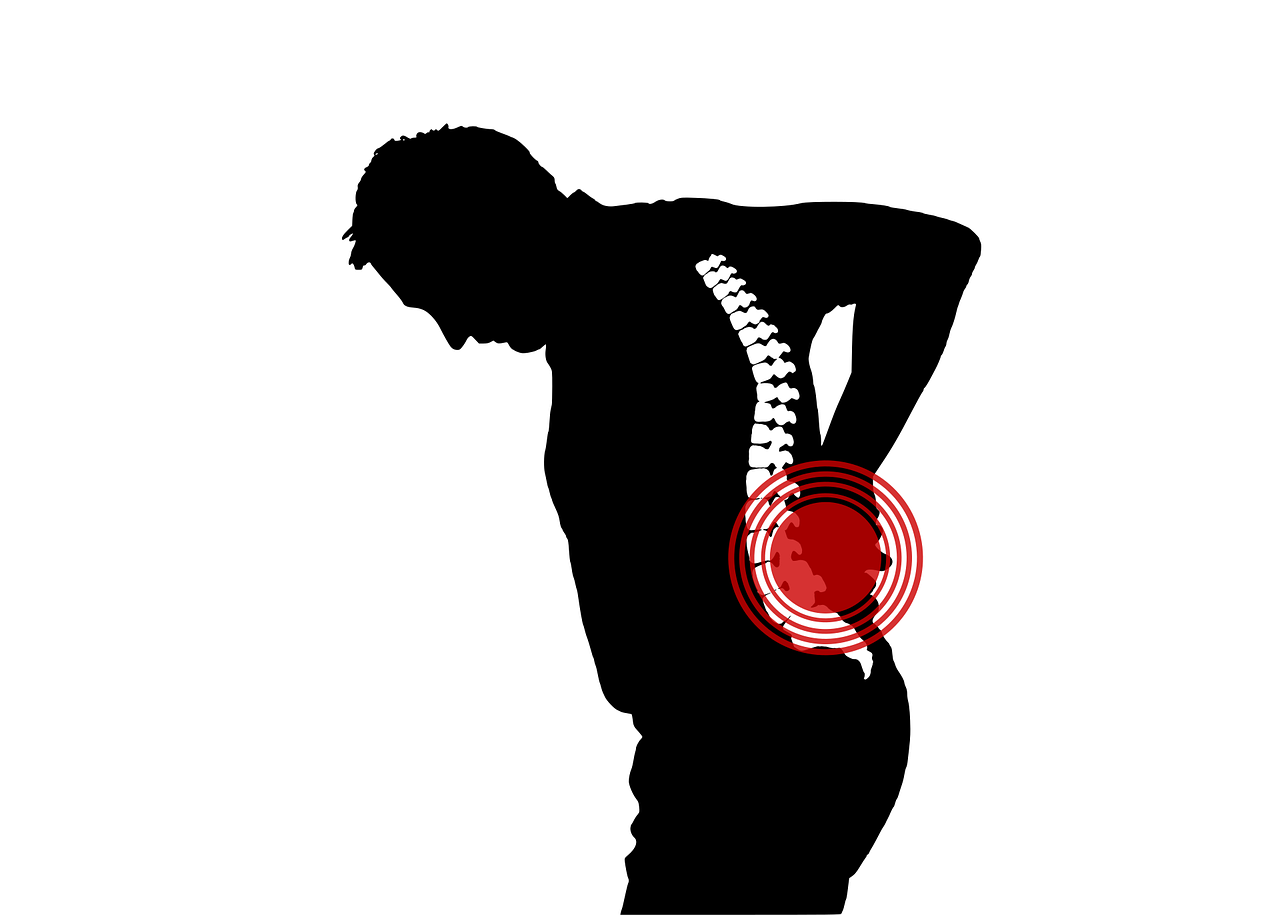

How to Maintain Proper Posture to Avoid Workplace Injuries
Maintaining proper posture is fundamental in avoiding workplace injuries, especially in environments where most of the job is performed while seated. Poor posture can lead to various musculoskeletal disorders that may not only hinder productivity but also cause long-term health issues. To combat these potential problems, it’s essential to create an ergonomic workspace optimized for comfort and health. Start by ensuring that your chair provides adequate lumbar support, and adjust your computer screen to eye level to prevent neck strain. Keeping your feet flat on the floor and legs comfortably positioned will aid in promoting better circulation. Regularly changing your position prevents stiffness, and taking frequent breaks from your workstation is vital for physical and mental well-being. Incorporate stretches tailored to loosen tight muscles and enhance flexibility. You can also use reminders or apps to encourage you to stand or stretch every so often. Investing time in learning about and maintaining proper posture can create a safer workplace, reducing the risk of injury and enhancing overall employee productivity.
Another critical aspect of proper posture involves the positioning of your keyboard and mouse. Ensure that these devices are placed within easy reach to avoid excessive stretching or straining. When typing, keep your wrists straight and hands at or below elbow level. This practice prevents awkward angles that could lead to repetitive strain injuries such as carpal tunnel syndrome. Utilize a wrist rest if necessary, or opt for ergonomic keyboards designed to minimize wrist strain. It’s also important to maintain a neutral wrist position while using the mouse. The mouse should be close enough to allow your elbow to stay close to your body, which helps maintain good posture. If your job involves prolonged computer use, consider using software that will pause your work at intervals, suggesting stretches or different tasks. Engaging in exercises focused on strengthening core muscles will greatly benefit your posture. Remember that muscle strength is a key component in maintaining proper posture, so a balance of strength and flexibility is essential. Learn exercises that target the back, abdomen, and legs for a well-rounded approach.
Creating a supportive environment is crucial to maintaining proper posture at work. Encourage open conversations about ergonomics among colleagues. Consider conducting workplace workshops led by professionals in occupational health, focusing on the importance of posture and ergonomics. These workshops can offer insights into the foundational elements of workplace safety and health. Effective training sessions can help employees understand the correct posture during various activities, including sitting, standing, and lifting. Make sure to incorporate interactive components to engage everyone in these sessions. Furthermore, consider providing easy access to ergonomic accessories, such as keyboard trays and footrests, which can enhance comfort by adjusting individual workstations more effectively. Keeping the work environment clutter-free also allows for better posture, as employees can move freely without obstruction. Establishing a culture that values wellness, where employees feel empowered to advocate for necessary changes, leads to a healthier workplace. A well-informed team can positively influence one another, minimizing risks associated with improper posture. Leadership can reinforce this culture by actively participating and encouraging adherence to best practices.
Importance of Regular Movement
One powerful strategy to maintain proper posture is to incorporate regular movement throughout the day. Sitting for extended periods can weaken muscles and contribute to poor posture, making it imperative to implement standing or walking breaks. Schedule short intervals during which you can stretch or walk for at least five minutes. This practice not only promotes better posture but also refreshes the mind and improves focus. Use alarms on your devices to remind you to get up and move or consider installing a standing desk that allows you alternative work positions. Walking around the office when possible or even standing during phone calls can also aid in maintaining an active posture. Engaging in regular physical activities such as yoga or pilates can greatly enhance flexibility and strength. Additionally, setting fitness goals that include posture-related exercises encourages accountability and consistency. Public health recommendations suggest that adults should engage in at least 150 minutes of moderate aerobic activity each week, contributing to overall posture improvement. Therefore, establishing a routine that weaves physical activity into the workflow not merely benefits posture but also improves overall well-being.
The incorporation of ergonomic tools is vital to maintaining proper posture in the workplace. Items like adjustable desks, ergonomic chairs, and monitor stands can significantly reduce strain and promote a healthier working environment. Consider investing in tools that support good posture, such as lumbar cushions and footrests, which help ensure that your body stays aligned while working. Using an anti-fatigue mat can also provide comfort while standing. Additionally, explore options for ergonomic accessories tailored to individual requirements. Tools like keyboard and mouse supports can prevent uncomfortable wrist positioning, significantly averting the risks of injuries. Employee satisfaction will improve with the availability of these resources, as comfort translates to enhanced productivity. Make it a habit to regularly assess your workspace, making adjustments when necessary. Developing this routine will reinforce healthy habits and a mindset geared toward ergonomic awareness. Encourage feedback from colleagues regarding their needs and comfort levels, fostering a collaborative environment. If any discomfort arises, address it with a quick adjustment rather than waiting until more serious issues might develop. In this manner, optimizing comfort and posture becomes part of the workplace culture.
Training and Awareness
Training employees on recognizing good versus poor posture is paramount in injury prevention efforts. Organize workshops led by specialists who can educate staff on proper ways to sit, stand, and lift. By understanding the mechanics behind effective posture, staff members can better prevent injuries. Engage employees through demonstrations and hands-on activities to ensure they grasp the concepts thoroughly. Incorporate practical sessions with exercises that strengthen the core, back, and additional supportive muscles crucial for maintaining good posture. Visual aids, such as diagrams and infographics, can reinforce key messages. Additionally, including posture checks in performance reviews can help emphasize the importance of maintaining proper posture at all times. Employees are less likely to neglect their posture if they are regularly reminded of its significance. Use company newsletters or emails to share tips on ergonomics and postural health. Creating informational content that highlights the benefits of proper posture contributes to a lasting impact on employee habits. Ongoing awareness initiatives will create a culture where health and safety in the workplace remain a shared priority, ultimately leading to a healthier working environment.
In summary, maintaining proper posture in the workplace is essential for injury prevention. By prioritizing ergonomic design, educating staff, and facilitating regular movement, you can create a healthier work environment. Encourage open discussions and promote resources to foster an ergonomic culture. Design your workspace thoughtfully, incorporating ergonomic tools tailored to your needs. Training and awareness initiatives will empower employees to take an active role in their well-being. Their engagement in health-promoting practices translates to a positive workplace atmosphere that can enhance productivity significantly. Regularly assessing and adjusting workspaces according to best practices ensures that both comfort and efficiency are optimized. Addressing posture should become a routine aspect of workplace life, enabling employees to feel supported and capable of performing optimally. Regular integration of posture education, ergonomic devices, and the encouragement of movement should be part of the company ethos. Ultimately, taking these steps not only prevents injuries but also cultivates a culture rooted in health and sustainability. A company that invests in its employees’ well-being promotes loyalty and overall satisfaction, paving the way for long-term success.
Engaging with professional ergonomists to assess workplace settings can provide personalized recommendations on how to improve workplace safety and ergonomics effectively. Incorporation of specific recommendations supported by research will augment the efforts made by workers to adhere to good posture principles. Moreover, leading by example is important; when management prioritizes their health through proper posture practices, it encourages staff to do the same. Creating an atmosphere of awareness and sensitivity surrounding ergonomics will likely lead to substantial improvements in employee morale and comfort. If specific problem areas are identified, corrective measures should be implemented promptly, ensuring that adjustments are made according to employee needs. Establishing an ergonomic assessment schedule can also ensure that employee workstations remain consistently optimized. Provide continuous training opportunities that evolve as new recommendations develop, keeping information relevant. Additionally, fostering a shared responsibility toward maintaining proper posture can lead to collaborative initiatives for health improvement. When employees recognize that their organization values their health, productivity naturally grows. Ultimately, proper posture is a shared journey that fosters well-being for individuals and the organization alike, enhancing workplace safety and promoting lasting health.