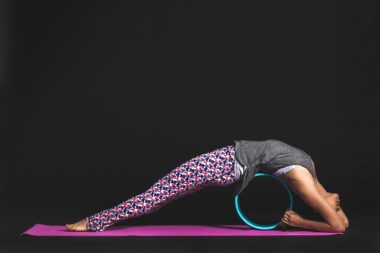

Balancing Strength Training with Yoga and Flexibility
Women’s fitness often emphasizes strength training for improved health, fat loss, and overall physical performance. While strength training builds muscle and enhances metabolism, balance is essential for optimal physical performance and overall well-being. To achieve a holistic fitness program, many women are increasingly integrating yoga and flexibility training into their routines. Numerous studies highlight the benefits of strength training, including increased bone density, enhanced mood, and improved self-esteem. However, an exclusive focus on strength may lead to neglecting crucial flexibility aspects necessary for functional movements and injury prevention. Therefore, incorporating yoga promotes a more rounded approach, enabling women to experience both strength and flexibility. Yoga not only enhances muscle elasticity but also supports mental health through mindfulness practices. The convergence of these training styles creates a synergistic impact, improving overall coordination and balance. As women strength train progressively, balancing it with yoga can ensure that mobility isn’t compromised and joint stability is maintained. This dual approach empowers women to perform daily activities efficiently while feeling confident and strong in their bodies.
The integration of yoga into a strength training regimen offers various advantages, including increased range of motion and injury prevention. When engaging in intensive strength workouts, muscles can become tight, resulting in reduced flexibility. Practicing yoga regularly can counteract this effect, leading to greater muscle elasticity and flexibility in joints. For instance, a simple yoga routine can help relieve tightness in areas commonly affected by strength training, such as shoulders, hips, and lower back. This adaptability assists in achieving better positions during strength exercises and enhances performance. Moreover, yoga encourages the development of core strength, essential for supporting various lifts and movements during weightlifting sessions. Improved core stability is particularly beneficial for maintaining proper form while performing squats, deadlifts, and overhead presses. It enhances balance and control when lifting heavier weights, reducing the likelihood of injury. As such, adding yoga to the fitness routine can enhance effectiveness, whether at home, gym, or studio. Consistency in practice fosters not only physical fluidity but mental resilience, providing a well-rounded fitness experience that reinforces both strength and tranquility.
The Importance of Recovery in Strength Training
Another essential factor to consider when balancing strength training with yoga is recovery. Recovery plays a critical role in allowing muscles to heal and grow after intense workouts. Women who combine strength training and yoga benefit from incorporating adequate recovery strategies to maximize training efficiency. Active recovery, such as gentle yoga flows and stretching, aids in repairing damaged muscle fibers and decreases muscle soreness. Yoga postures can promote relaxation and channel blood flow, thereby speeding up the body’s recovery process. Moreover, prioritizing rest days between intense strength sessions is vital for achieving desired results. Scheduling recovery time not only addresses physical fatigue but also supports mental rejuvenation, which is crucial for sustained motivation in a fitness journey. Fatigued muscles can hinder performance, ultimately leading to setbacks. Women often juggle multiple responsibilities, making it essential to listen to their bodies and avoid burnout. Thus, balancing vigorous workouts with restorative practices, like yoga, fosters a healthier approach to fitness without compromising strength goals. Implementing structured rest periods not only enhances performance but ensures longevity in any fitness regimen.
Both strength training and yoga advocate body awareness, an essential aspect of successful fitness routines. Women engaging in consistent training can cultivate a deeper connection with their bodies over time through understanding movement patterns. Enhanced awareness aids in identifying areas of tightness or weaknesses, informing exercise selections to promote targeted improvements. In strength training, this awareness reduces the risk of injury and overselection of weights, enhancing safety during workouts. Likewise, in yoga, practitioners grow familiar with their limits and capabilities, maximizing their benefits while minimizing the chances of injury. Integrating both practices leads to overall improvement in body mechanics and coordination, which is essential for athletic performance and daily functionality. Additionally, the mental focus derived from yoga cultivates patience and persistence. These qualities are fundamental in pushing through challenging strength workouts, nurturing resilience when facing tough training weeks. Multi-dimensional fitness programs emphasize the importance of individual progress over competition. Celebrating small victories can build momentum, ultimately fostering a sense of empowerment and confidence in personal abilities as women grow stronger both physically and mentally through diverse exercise practices.
Setting Goals and Tracking Progress
When balancing strength training and yoga, setting clear, achievable goals is critical for success. Women pursuing a dual training program should define what they want to achieve, whether muscle gain, endurance, flexibility, or weight loss. Establishing SMART (Specific, Measurable, Achievable, Relevant, Time-bound) goals allows individuals to outline a structured approach. Tracking progress through fitness journals or apps can motivate participants by visually representing their growth. For strength training, noting weights lifted, reps completed, or fitness milestones ensures focused progress. Meanwhile, documenting flexibility improvements through yoga poses can highlight significant advancements, reinforcing motivation and commitment to the program’s success. Regularly reviewing goals provides opportunities for adjustment, thus maximizing workouts and ensuring adaptability to changing circumstances. The connection between both training modalities fosters a strong sense of community and support. Whether through online platforms or local workout groups, women can gain encouragement and tips from peers pursuing similar fitness paths. This inclusive environment fosters accountability and shared success, further enhancing personal growth and development within a breathtakingly multifaceted fitness journey.
Incorporating both strength training and yoga also promotes a sense of mindfulness and intention in fitness practices, creating harmony between body and mind. Fostering a mindful connection enhances the overall experience, allowing women to practice movements with purpose, improving overall body awareness. When women consciously engage in their workouts, they are more likely to push through physical limits and maintain motivation. Integrating deep breathing practices found in yoga can enhance strength training sessions by improving oxygen flow to working muscles. In addition, focusing on breath empowers women to manage discomfort during rigorous workouts, anchoring them in the present moment. Understanding this connection not only enhances physical performance but also nurtures emotional resilience, equipping women to face life’s challenges head-on. Furthermore, a performance-oriented mindset flourishes when women embrace the essence of mindfulness throughout their fitness journey. This approach reflects positively on personal growth, strengthening both the body and mind by fostering a holistic sense of well-being. Ultimately, balancing strength training with yoga and flexibility not only reaps physical fitness benefits but also nurtures emotional health, creating a comprehensive approach to wellness.
Conclusion: A Balanced Fitness Approach
In conclusion, striking a balance between strength training, yoga, and flexibility is essential for women’s overall fitness and well-being. This integrated approach supports physical strength while simultaneously nurturing flexibility, mental clarity, and emotional balance. Emphasizing the importance of recovery, progressive goal setting, and mindfulness throughout training allows women to cultivate a sustainable and enjoyable fitness journey. Combining the strengths of both modalities empowers women with resilience and adaptability, enabling them to thrive in everyday life. As they navigate life’s challenges, a well-rounded fitness regimen reassures them they are investing in their health and happiness. Engaging with communities, whether offline or online, enhances motivation through mutual support and shared success stories. Ultimately, consistency in training will yield positive results, reinforcing confidence in capabilities. This journey of personal growth fosters both physical and emotional strength, developing healthier lifestyles that prioritize individual happiness and fulfillment. Embracing strength training paired with yoga offers numerous pathways for women to experience comprehensive wellness, resulting in empowered living. By adopting a balanced fitness program, women can ensure their physical and emotional well-being while thriving in all aspects of life.
This holistic fitness approach yields remarkable benefits and ensures long-lasting health achievements. As women integrate different fitness modalities, they can cultivate their unique journeys rooted in self-discovery and empowerment. Achieving balance creates a more profound sense of satisfaction and joy derived from improved overall well-being, making the process just as significant as the results.