
Wearable Technology for Monitoring Concussion Symptoms
In recent years, advancements in wearable technology have drastically changed many aspects of health monitoring, especially for athletes. Concussions are serious injuries which can have long-lasting effects, making it essential to monitor symptoms closely. Wearable devices provide a promising solution by enabling real-time tracking of various physiological signs associated with head injuries. These devices can measure factors like impact force, heart rate, and even sleep patterns, helping to identify when an athlete may be at risk. Importantly, by utilizing biosensors and accelerometers, these wearables can gather detailed information that was previously hard to obtain, thus facilitating early intervention. Athletes can return to play only after they are fully recovered, reducing the likelihood of cumulative damage. Professional sports organizations increasingly recognize the importance of concussion management, pushing for technology adoption to protect players. By integrating wearables with established monitoring protocols, teams can enhance safety protocols significantly, fostering a culture of health awareness. This shift towards tech-driven solutions promises better outcomes for athletes, as timely data might prevent dangerous situations, ensuring they are able to compete safely and effectively without endangering their long-term health.
Research has shown that monitoring concussion symptoms in real-time can lead to better recovery outcomes. Wearable technology enables continuous data collection, providing a clearer picture of an athlete’s condition over time. Many devices also feature alert systems to notify medical teams if critical thresholds are breached, adding an extra layer of safety. These features make them indispensable tools for sports teams and trainers. Their potential goes beyond immediate injury assessments; they also contribute to long-term studies on head trauma. By collecting anonymized data across various demographics, researchers can better understand the effects of concussions over time. This insight can lead to improved treatment protocols and preventive measures that can benefit future generations of athletes. Moreover, wearables can encourage athletes to take their health seriously, as transparent metrics can motivate them to adhere to recovery protocols. Athletes are more likely to follow recommendations when they can visualize their progress. By fostering an understanding of the risks associated with concussions, these devices promote a culture of responsible playing. Ultimately, increased awareness and understanding can help advance safety measures across all levels of sports.
Types of Wearable Technology
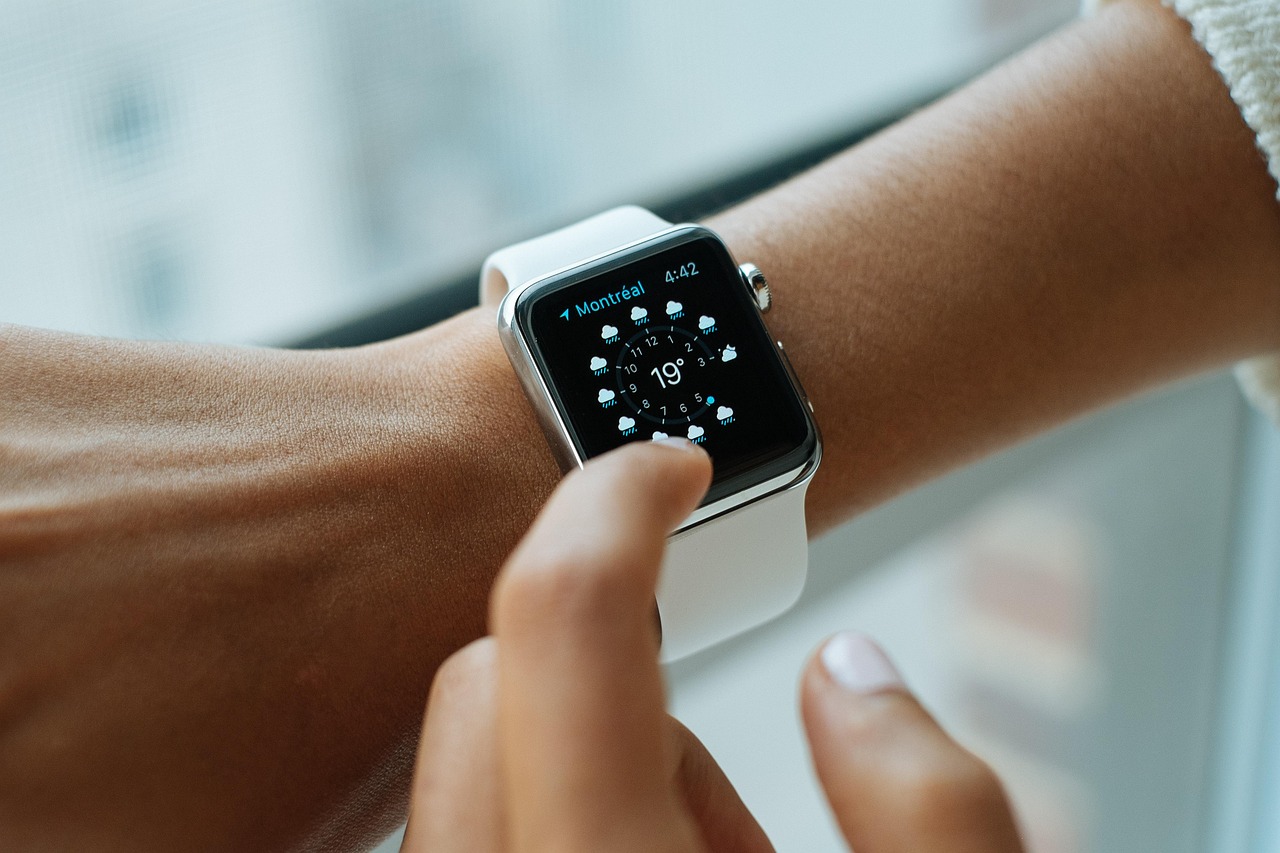
Various types of wearable technology are being developed to monitor concussion symptoms effectively. Some common examples include smart helmets, headbands, and smartwatches. Smart helmets are equipped with sensors that detect impact forces, providing immediate feedback on potential concussions. They are particularly prevalent in contact sports such as football and rugby. Headbands, although less common, can also measure changes in brain activity during impacts, offering insights into the athlete’s neurological state. Smartwatches further expand capabilities, monitoring biometrics like heart rate and sleep quality. These elements can play a crucial role in understanding an athlete’s recovery journey, as poor sleep can worsen concussion symptoms. Importantly, these wearable devices collect data that can be shared with trainers and medical professionals, ensuring that athletes receive comprehensive care based on actual performance metrics. This level of integration allows for personalized recovery plans, aiding athletes on their path back to peak performance. By employing a combination of different wearable technologies, athletes can cover multiple aspects of concussion management, ensuring they have all necessary tools at their disposal.
Moreover, integrating artificial intelligence (AI) with wearable technology is expected to enhance concussion monitoring capabilities significantly. AI can allow for advanced analysis of collected data, helping to predict recovery time and assess concussion severity. By comparing relevant data patterns from multiple athletes, AI algorithms can recognize trends that may not be apparent to healthcare professionals. This predictive capability could lead to more tailored treatment plans based on individual responses to injuries. Coaches and trainers will be better equipped to make decisions on player readiness and safety. Furthermore, AI can streamline data management, making it easier for teams to keep track of numerous athletes simultaneously. As wearables become more sophisticated, they will likely incorporate machine learning features, which can aid in improving their accuracy and effectiveness over time. The integration of AI with wearable technology is an evolving frontier that holds immense potential for athletes suffering from head injuries. By fostering innovation in this space, the medical and sports science community can ensure that effective tools are available for monitoring and managing concussion risks effectively.
Challenges in Adoption
Despite the clear advantages of wearable technology, there are challenges regarding widespread adoption. Concerns about data privacy and security are paramount, particularly as wearable devices collect sensitive health information. Many athletes may be reluctant to wear devices due to fears that their data may be misused or shared without their consent. Furthermore, the reliability and accuracy of the technology can vary. Inconsistencies in data gathered by different wearables may cause skepticism regarding their effectiveness. Manufacturers must prioritize creating dependable products to gain trust among users. Cost is another obstacle, as high-quality wearables can be prohibitively expensive for many teams, especially at the amateur level. Schools and colleges may struggle to allocate funding for such devices while trying to provide adequate care. Addressing these challenges will require collaboration between manufacturers, organizations, and governing bodies in sports. Open dialogues about privacy, reliability, and affordability can lead to solutions that promote safety and health. To ensure athletes benefit from this technology, stakeholders must work together, fostering a culture of responsibility while championing advancements in wearable technology.
Education and training also play critical roles in the successful implementation of wearable technology in sports. Coaches and athletic trainers must be well-versed in interpreting data generated by wearables. Understanding how to act on this information is crucial for responding effectively to symptoms and recovery milestones. Regular training sessions focusing on the appropriate usage of wearables will empower trainers to act confidently in injury scenarios. Additionally, educational resources for athletes regarding how to use these devices can enhance compliance. Athletes who understand the significance of data gathered by wearables are more likely to wear them consistently, maximizing their benefits. Furthermore, creating an inclusive atmosphere where athletes feel compelled to report symptoms honestly, without fear of judgment, is essential for safe practices. Both technology and the human element are intertwined in advancing safety measures, underscoring the importance of communication. Engaging discussions about athlete health between trainers and players can lead to better outcomes in recovery, emphasizing collaboration. By focusing on education and training, sports organizations can enhance their practices, leading to safer environments for athletes at all competition levels.
Future Implications
Looking ahead, the future implications of wearable technology in concussion management are promising. Continued innovation will likely bring forth more sophisticated sensors and devices that provide even greater accuracy in symptom monitoring. Opening up to broader fields of research may result in groundbreaking approaches to injury prevention. Additionally, partnerships among tech companies, sports organizations, and healthcare professionals will facilitate the development of comprehensive solutions. The integration of wearable technology into team sport culture could further normalize health monitoring, reducing stigma surrounding concussions. Initiatives focused on athlete education will also support changing perceptions about head injuries. Encouraging a proactive attitude toward health can promote a preventative mindset rather than a reactive one. The potential for sports analytics based on wearable data can pave pathways toward enhancing performance while ensuring safety remains a top priority. As policies around player safety continue evolving, wearables will likely be integrated into standard operating procedures. Consequently, establishing best practices for using this technology will become imperative for sports organizations. This shift will change how athletes approach health in the context of competition, signaling a new era in sports safety and athletes’ well-being.
In conclusion, wearable technology has emerged as a pivotal tool for monitoring concussion symptoms. Its capacity to provide accurate, real-time data creates tremendous opportunities for enhancing athlete safety. As the sports community embraces this technology, challenges surrounding privacy, costs, and education must also be addressed. By collaborating across various stakeholders, the potential of wearables can be fully realized. Continuous research and development in this field will ensure that technology keeps pace with athlete’s health needs. How we engage with wearables will shape how athletes navigate sports environments, enabling informed decisions about recovery and well-being. With the support of coaches, trainers, and medical professionals, the integration of wearables can establish long-term positive impacts. Athletes can benefit from safer play conditions while minimizing risks associated with concussions. Ultimately, this technological revolution in monitoring symptoms not only protects athletes but also encourages a more health-conscious society overall. The importance of concussion safety cannot be understated, and wearables represent a significant step forward. By prioritizing their use, we can advocate for a culture that values health and well-being as essential components of sports and athletic development.