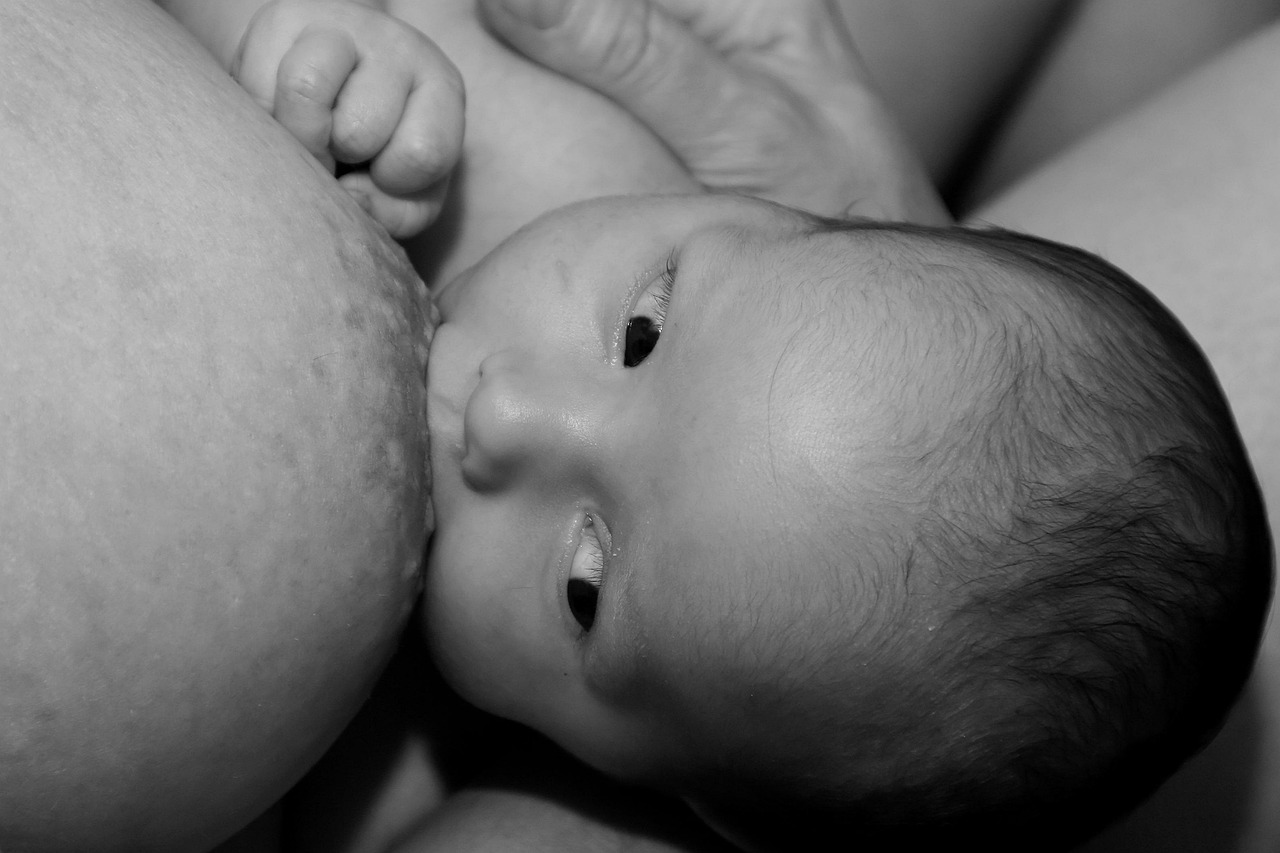

Breathing Techniques to Support Lactation and Milk Flow
Breathing techniques can significantly enhance your postpartum recovery and support lactation. These methods help relax the body while promoting increased circulation. This can stimulate the milk supply, a crucial factor for breastfeeding mothers. Concentrating on deep belly breathing allows you to tap into your diaphragm, engaging your core and relaxing your nervous system. This soothing practice can be done anywhere and can help manage stress while caring for your newborn. Additionally, controlled breathing can support your body’s natural hormonal release, which aids in milk production. As you take deep breaths, your body recognizes the calm, helping to ensure lactation is consistent and effective. When you incorporate proper breathing techniques into your routine, it can create a sense of well-being, which reflects positively on your ability to nurse. Remember, every mother’s experience is unique; hence, finding a rhythm and routine that feels right for you is most important. It might also be beneficial to consult with lactation consultants who can provide tailored advice on incorporating breathing exercises effectively into your personal strategy.
One effective technique is the 4-7-8 breathing method. This practice encourages a calm mindset, which is essential for successful nursing. To begin, inhale quietly through your nose for a count of 4. Then, hold your breath for a count of 7. Finally, exhale completely through your mouth, making a whoosh sound for a full count of 8. Repeat this cycle multiple times. Doing so can lead to significant physiological changes, such as lowering blood pressure and reducing anxiety. These benefits not only help with milk production but also enhance emotional connection during nursing sessions. Practicing fills your lungs completely, improving oxygen flow throughout your body, specifically targeting areas that support lactation. You may find it initially challenging, yet regular practice will make it easier. Gradually, you’ll notice improvement not just in your breathing but also in your overall mood and milk supply. Keeping a dedicated time each day to practice this technique might yield the best results in your postpartum wellness journey. Consider joining a support group where discussing these practices can enhance both your knowledge and comfort level.
Mindful Breathing Techniques for New Mothers
Mindfulness integrates breathing with awareness, which can significantly benefit new mothers. When you’re focused on your breath, the many distractions of new parenthood fade away. Techniques like box breathing can be particularly beneficial during nursing sessions. To perform box breathing, inhale for a count of 4, hold your breath for another count of 4, exhale for a count of 4, and hold again for 4. This creates a rhythmic pattern of breath that soothes your nervous system and prepares your body for nursing. By stabilizing your breath, you’re not only reducing anxiety but also enhancing your body’s ability to produce milk. Achieving a stable, peaceful environment for feeding will positively affect milk letdown. Practicing this technique regularly can create a strong mind-body connection that enhances lactation. Integration of mindfulness and breathing into your daily interactions will strengthen the bond between mother and child. It can also lessen feelings of overwhelm, common in new mothers. Seeking guardian support during these practices might encourage confidence and consistency as you adapt to parenting.
In addition to these techniques, yoga breathing or pranayama can help promote relaxation, crucial for efficient lactation. By practicing yoga during pregnancy, you already lay a foundation that enhances these practices postpartum. However, if you’re new to yoga, don’t worry! You don’t need formal training to benefit from simple yogic breathing exercises. Techniques like Nadi Shodhana, or alternate nostril breathing, harmonize both hemispheres of the brain, promoting balance within your body. This balance translates to less stress and a greater capacity for nurturing. Simple postures while breathing deeply can also augment physical adjustments in your body post-delivery. Gaining flexibility, strength, and a focused breath can contribute significantly to your overall wellness as a new mom. Whether performed in a group or alone, these practices are easily accessible. Start slow; your focus should remain on the rhythm and flow, gradually increasing the duration as you become more comfortable. Personalize your practice wherever feasible, adapting positions and techniques that resonate most with you, integrating a fulfilling approach to self-care.
Incorporating Breathing Techniques into Daily Life
Consistency is key; ensuring that breathing practices become part of your daily routine will yield the best results. For instance, consider setting aside moments throughout the day dedicated exclusively to these techniques. Pairing breathing exercises with activities such as feeding and bathing your newborn can enhance the bonding experience. Even during sleepless nights, taking a moment to breathe calmly can create a nurturing atmosphere. Incorporating gentle reminders, such as sticky notes around your home, can prompt you to engage in deep breathing sessions. Each time you notice these prompts, take a moment to connect with your breath, reinforcing its importance in your daily life. Keeping this practice associated with vital moments can further integrate it into your routine. Connecting with your baby while breathing deeply will not only benefit you but also teach them calmness in stressful moments. You can establish a harmonious environment that fosters growth and emotional stability by creating these practices. Through this consistency, both you and your baby will learn to navigate challenges with ease.
Physical symptoms such as tension or discomfort can indicate poor breathing patterns. Understanding your body’s responses is essential for ensuring that you are supporting milk production effectively. Engaging in a body scan, a mindfulness technique where you focus on different body parts, can help identify areas of tension. Simply close your eyes and begin to breathe deeply, focusing on each area from your head to your toes. This practice not only helps to release physical stress but also encourages deeper breathing patterns. When you discover areas of tightness, consciously breathe into those spaces to allow relaxation. Developing this awareness may aid in identifying how tension affects your ability to nurse effectively. Realize that your emotional state directly affects your physical state; supporting one promotes the other. Knowing when to pause and engage in these awareness activities is just as essential. As a result, you will create a safe space for yourself that encourages effective lactation and better interactions with your baby. Focusing on these techniques reinforces the link between mental well-being and physical health.
Benefits of Breathing Techniques for Overall Recovery
Implementing breathing techniques aids not only in lactation but also overall postpartum recovery. Research indicates that mothers who engage in mindfulness practices tend to report higher satisfaction levels in their nursing experiences. Continuous practice promotes hormonal balance, which can support mood regulation and reduce the risk of postpartum depression. As you improve your mood, the body’s ability to produce milk may increase too. Enhanced blood circulation during practicing breathing techniques also contributes to healing, minimizing the risk of complications or discomfort. By focusing on these breathing practices, mothers can also facilitate a smooth emotional transition into motherhood. Engaging in breathing exercises can enhance the connection with the child while fostering a holistic healing process. Taking the time to breathe can reestablish your connection with your body, enabling you to listen to its needs. Always recognize that what works for one mother may differ for another; it’s about finding what resonates with you in your recovery. Above all, practicing self-compassion and patience creates a nurturing environment for both mother and child, contributing to a loving bond.
In summary, postpartum fitness significantly benefits from various breathing techniques primarily focused on relaxation and mindfulness. Incorporating exercises into your routine facilitates a smoother recovery and offers essential support for lactation. The combination of deep breathing methods, mindfulness practices, and yoga introduces a connection not only between your body and mind but also between you and your child. As you journey through motherhood, keep in mind the importance of self-care; nurturing yourself allows you to nurture your baby effectively. Engaging in these practices can alleviate anxiety while also promoting a better emotional connection during breastfeeding. As you explore these techniques further, consider the importance of daily consistency to reinforce these practices. Remember that progress in any new technique takes time, and embracing patience is vital. Seek support wherever available, whether through lactation consultants or fellow mothers navigating similar experiences. Ultimately, these breathing techniques provide the tools necessary for emotional resilience and physical recovery during this transformative stage of life. Breathe deeply, nourish your body, and enjoy this special journey of motherhood.