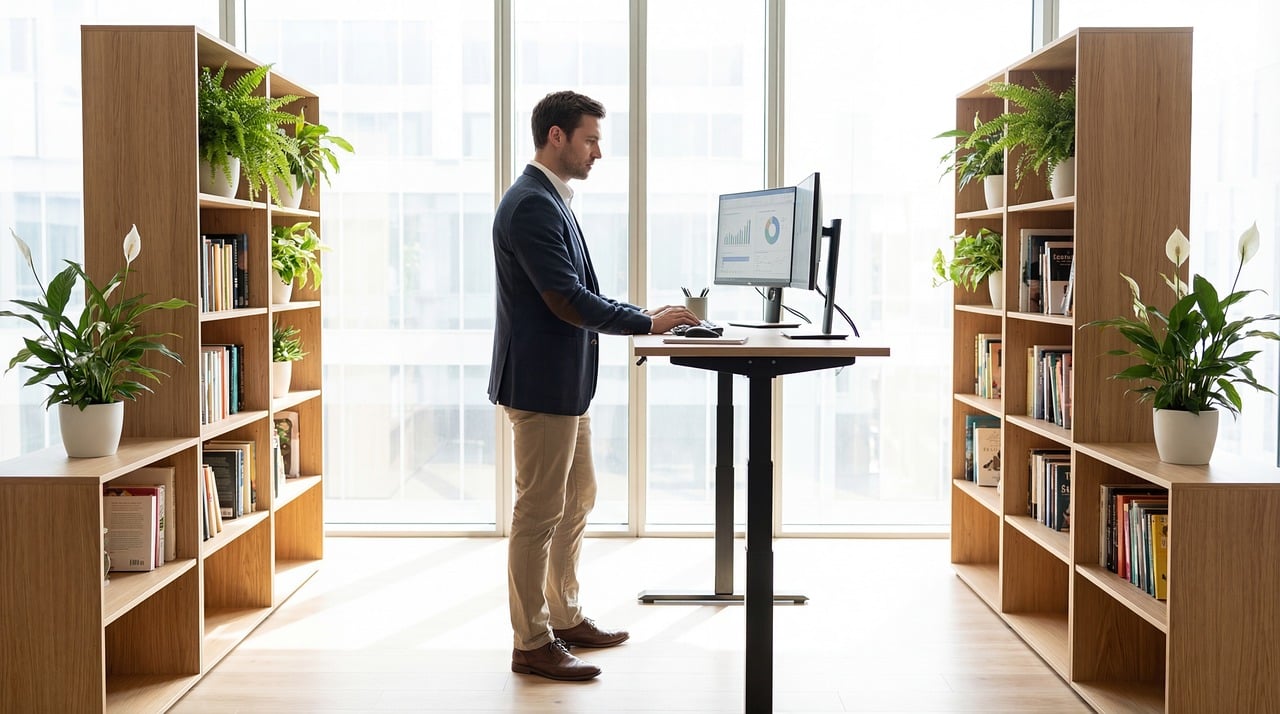

Standing Desks and Their Role in Posture Improvement
Standing desks have gained popularity as a solution to combat posture-related issues. Many office workers spend extended periods sitting, which can lead to poor posture and various health problems. Standing desks offer an alternative by allowing users to alternate between sitting and standing, promoting better spinal alignment and reducing discomfort. Ergonomically designed standing desks encourage a neutral spine position, preventing slumping or slouching while working. Research indicates that standing while working can help reduce the risk of obesity, diabetes, and cardiovascular disease. Standing desks can also increase energy levels and enhance overall productivity. Suitable adjustments to working heights are essential for comfort and effectiveness. Users should consider their individual height and the specific requirements of their activities. Transitioning from a seated to a standing position needs to be gradual to avoid fatigue or discomfort. Integrating anti-fatigue mats can further optimize the experience while standing. These mats reduce strain on the feet and legs, supporting overall comfort during extended standing periods. Ultimately, standing desks can be an effective part of a comprehensive approach to posture enhancement and wellness in the workplace.
Implementing proper ergonomics alongside standing desks enhances their effectiveness. Placing the computer monitor at eye level is crucial for maintaining optimal posture. Users should also ensure that their wrists remain flat while typing, which can help avoid strain. Setting up a proper workstation involves thoughtful arrangement of the desk, chair, and equipment. This mindful design encourages good posture, minimizes discomfort, and supports long-term health benefits. Accessories like keyboard trays and monitor stands can assist in achieving the right ergonomic setup. Many users experience an initial adjustment period when switching to a standing desk. To ease this transition, it’s advisable to alternate between sitting and standing throughout the day. A common recommendation is to start with standing for 15 to 30 minutes at a time, increasing as comfort and endurance improve. This gradual change helps to build tolerance while minimizing fatigue and discomfort. Employers can provide education and resources to facilitate this adjustment among employees. Regular breaks to stretch and move throughout the day are equally important for promoting good posture and avoiding stiffness. Making these small changes can significantly influence overall well-being when adopting standing desk setups.
Combining Movement with Standing Desks
Incorporating movement throughout the workday is essential, even while using standing desks. Prolonged standing can lead to discomfort and fatigue, so it’s important to remain active. Simple movements such as shifting weight from one foot to the other can mitigate issues associated with standing for long durations. Walking around the office or performing light stretches during breaks helps refresh energy levels while promoting blood circulation. Desk exercises specifically designed for standing workstation users can strengthen core muscles and improve posture. Incorporating resistance bands and other accessories can add variety to the routine without requiring extensive breaks. The key is to maintain a combination of standing, sitting, and movement to avoid fatigue. Many workplaces encourage walking meetings, which can further enhance collaboration while keeping employees active. Encouraging employees to move more often can lead to improved morale and team dynamics. Implementing such strategies not only boosts productivity but also fosters a culture of health and wellness. Organizations should facilitate environments where standing desks and movement go hand-in-hand, creating a positive impact on employee posture and overall health.
When selecting a standing desk, various factors should be taken into consideration. Height adjustability is critical, allowing the desk to accommodate a wide range of user heights. Some models offer electric or manual height adjustments, making it easier for users to switch between sitting and standing positions. Stability is another key characteristic to look for in a standing desk. A wobbling desk can lead to distractions and hinder productivity. Additionally, the overall design should accommodate users’ specific work tasks. A spacious surface for monitors, documents, and office supplies is essential for effective organization and workflow. Users must consider the desk’s weight capacity, especially if multiple monitors are used. Incorporating cable management features can also enhance the clean aesthetic of the workspace. Furthermore, the desk’s materials should prioritize durability and ease of cleaning. An appealing design can contribute to the overall aesthetics of the office space and enhance enjoyment. Users should also explore features such as integrated storage or built-in USB ports for added convenience. Ultimately, a thoughtfully selected standing desk can significantly bolster a user’s posture improvement journey.
Challenges with Standing Desks
While standing desks offer various advantages, they are not without their challenges. Initially, some users may experience discomfort or fatigue during prolonged standing periods. Over time, the body adapts, but users need to be proactive in managing potential discomfort to have a better experience. Wearing supportive footwear and using anti-fatigue mats are effective strategies that can alleviate discomfort. It is important to listen to one’s body and adjust standing durations accordingly. Maintaining proper posture while standing is as crucial as when seated. Users should avoid locking their knees and instead keep a slight bend to encourage circulation. Furthermore, overuse of standing desks can lead to its own set of posture issues that require monitoring. Additionally, workspace layout and accessibility can present challenges, especially in shared office environments. Users must advocate for their ergonomic needs and adjust their workspaces as necessary. The potential for distractions in standing desk setups should also be considered. Balancing focus, productivity, and comfort is vital during the transition. Users should engage in discussions with colleagues to share experiences, create a supportive environment, and foster overall well-being.
Creating a balanced approach to workspace ergonomics facilitates successful standing desk usage. Regular assessments of one’s positioning are essential for continuous improvement. Office ergonomics workshops can provide valuable insights on suitable practices regarding spacing, distance from screens, and equipment setups. Encouraging coworkers to participate in such workshops fosters a collaborative spirit focused on wellness. Furthermore, ergonomic assessments provided by professionals can ensure that each user has the right setup for their needs. Following consistent practices, users are more likely to maintain an optimal posture while working at their desks. Organizations should prioritize opportunities for training and learning in this area, enabling employees to take charge of their health. Encouraging questions and regular check-ins can help facilitate adjustments. Colleagues can offer support in monitoring each other’s postures as well. Integrating feedback systems allows users to share their experiences and practices that work well. Building a culture focused on posture and ergonomics leads to greater job satisfaction and productivity. Ultimately, investing in ergonomics translates into healthier employees and greater organizational success.
Conclusion and Future Directions
As standing desks continue to evolve, their role in posture improvement is undeniable. Optimal health outcomes depend on how well users integrate them into their daily routines and work environments. Ongoing research is necessary to further evaluate their effectiveness and long-term health implications. Educating users about proper usage, along with regular adjustments and movement, can maximize their benefits. The trend towards remote and flexible work arrangements may foster increased awareness surrounding ergonomic practices, as workers become more attuned to their needs. Future designs of standing desks may include advancements in technology, such as height sensors and posture alert systems to enhance ergonomic support. As people continue to adapt their working styles, continued focus on posture improvement will be vital. Organizations have a unique opportunity to promote wellness through thoughtful investments in ergonomic equipment and employee education. Engaging in conversations about posture-related topics can create awareness and encourage positive changes in workplace culture. Standing desks, when utilized effectively, can make a significant difference in reducing posture-related issues, leading to healthier, more productive work environments. By prioritizing posture, individuals can improve their overall well-being in both personal and professional aspects.
In summary, standing desks present numerous opportunities for improved posture and health benefits. As users become more educated regarding ergonomics and their specific needs, their overall experience will be enhanced. Transitioning to standing desk use takes time, gradual adjustments, and a focus on movement. With supportive footwear, anti-fatigue mats, and appropriate desk designs, users can minimize discomfort while maximizing productivity. Fostering a workplace culture that promotes awareness of posture-related practices has the potential to create a healthier workforce. Employers can lead the way by facilitating discussions surrounding ergonomics and encouraging employee participation in workshops. Furthermore, a commitment to regular assessments of workspace environments and practices ensures that users remain aligned with best principles. As new technologies and designs for standing desks emerge, staying informed will help users hone their ergonomic practices. Ultimately, the journey towards better posture does not end with simply adopting a standing desk; it encompasses a broader understanding of ergonomics. Prioritizing posture will contribute to enhanced well-being and workplace satisfaction in the long run, leading to more engaged and productive employees across diverse settings.