
How to Develop Hip Flexibility for Energetic Dance Fitness Moves
Enhancing hip flexibility is a crucial aspect for anyone engaged in dance fitness. The range of motion in your hips significantly influences your ability to execute vibrant and energetic moves with grace. To improve this flexibility, it’s essential to incorporate regular stretching and mobility exercises specific to the hip area. Start with gentle static stretches focusing on the hip flexors, quadriceps, and glutes, as these muscle groups are crucial for performance. Additionally, dynamic stretching, such as leg swings, can help warm up the muscles before a dance workout session. Gradually increasing the intensity of these exercises will promote greater flexibility over time. Remember to listen to your body and avoid pushing beyond your limits, as this can lead to injury. Combining strength training with flexibility work will not only enhance your overall dance performance but can also prevent injuries. Adding yoga sessions can greatly complement your flexibility routine. As you progress in your dance fitness journey, prioritized flexibility training will make transitions between steps look effortless and contribute to better overall body control.
Incorporating mobility drills into your dance fitness routine is also beneficial. Consider adding exercises like hip circles or figure-four stretches, which encourage fluidity in movement. These exercises can be done as part of your warm-up or cooldown sessions. It’s advisable to perform these movements with intention, feeling the stretch and focusing on your breathing. For example, in a figure-four stretch, appreciate the release in your hips while holding the position for several breaths. This not only improves flexibility but also enhances your awareness of body mechanics, which is essential for dancers. Furthermore, practicing dance drills that require high kicks or deep squats can further challenge and develop hip flexibility. Aim to integrate varied dance styles into your practice that emphasize different movements, making your flexibility routine more engaging. Take note of how your body responds over time and adjust your practice accordingly. Recognize the balance between strength and flexibility is key; both are vital for executing energetic moves required in dance fitness. Let your progress inspire you to maintain consistency, as improvement in flexibility will elevate your dance fitness journey.
Understanding the Importance of Warm-Ups
Starting any exercise routine with a proper warm-up is essential, especially in dance fitness. A warm-up prepares your body for the physical demand it will face, increasing blood circulation to muscles and reducing the risk of injury. Warm-ups specifically focused on the hips make sense for maximizing flexibility. Utilize movements such as arm circles, gentle lunges, or stepping side to side to increase your heart rate and activate the hip muscles. Purposeful knee lifts while engaging the core can stimulate hip flexors. Engaging in these warm-up activities not only protects against strains but also prepares your mind to perform. Take a moment after the warm-up to perform specific hip flexibility stretches that focus on your individual needs. Consider holding stretches longer during these times for deeper relaxation of the muscles. Consistent warm-up practices will eventually lead to better flexibility in your hips as well as overall improved dance performance. Incorporating hip-opening yoga poses, like pigeon or lizard pose, can be particularly effective when woven into warm-up routines, adding a depth of stretch that dynamically engages the hips.
Flexibility training should be complemented with strength training that focuses on the stabilizer muscles around the hips to support movement. Engage in exercises such as Bulgarian split squats or clamshells that specifically target the glutes and hip flexors. This dual approach enhances flexibility while preventing injuries caused by weakness. Strength and flexibility work together to enhance performance and endurance, making your movements more powerful and controlled. Incorporate resistance bands or weights to challenges your muscles while practicing these exercises. Gradually increase the resistance as you develop greater strength and flexibility over time. Attending workshops or classes that focus on flexibility can provide new insights and techniques to enrich your journey. It can also be motivating to see others working toward similar goals, and learning together builds community support. Dance fitness is not just about movement; it’s an exploration of strength and flexibility. Overall, embracing strength training alongside your flexibility routines can lead you to be a more adaptable and capable dancer, ready to tackle those energetic dance moves with confidence.
Incorporating Dance Styles
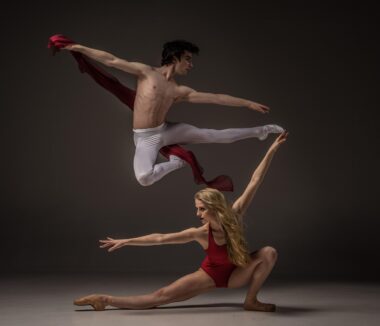
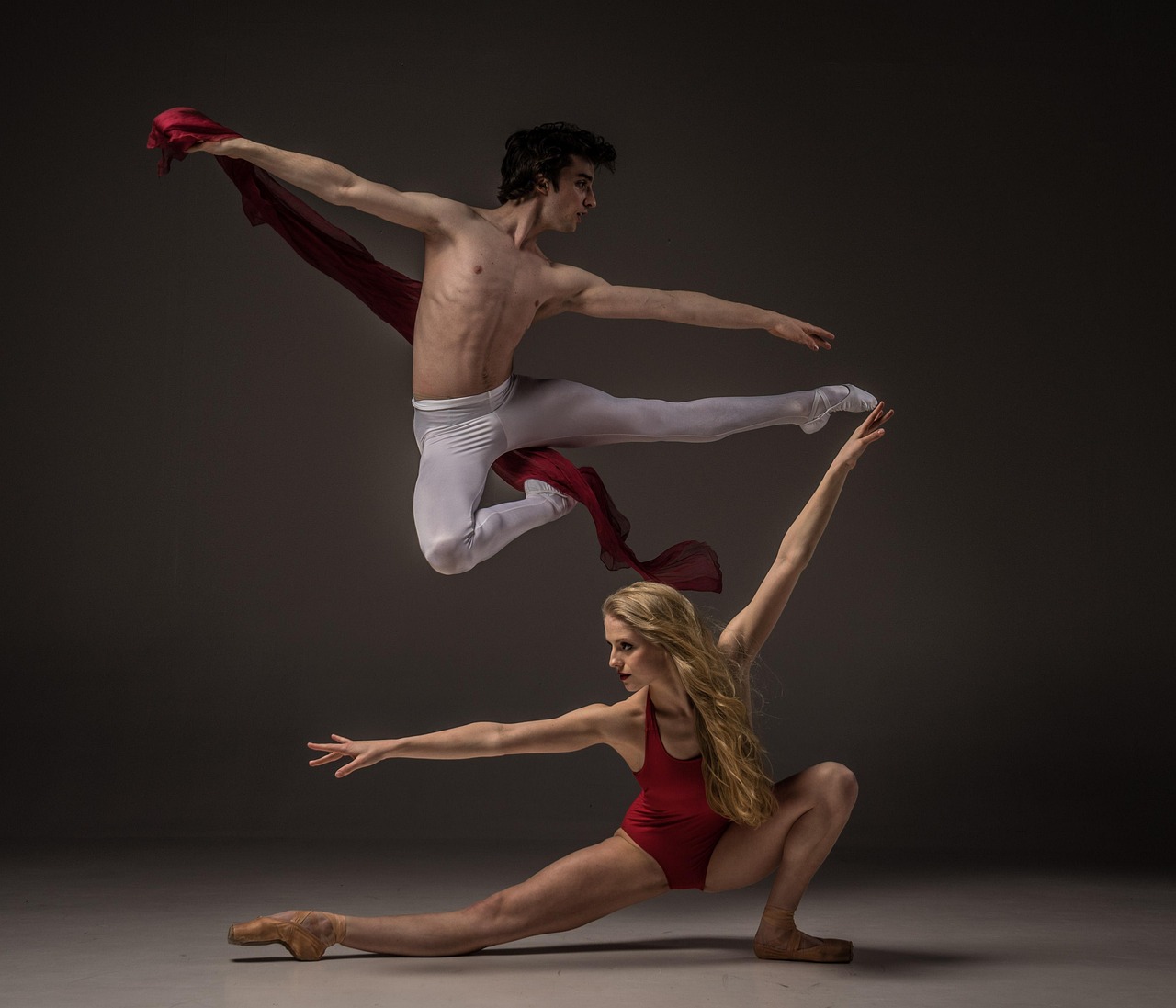
Exploring various dance styles is an enriching way to develop hip flexibility. Different styles demand distinct movement techniques, which can encourage wider ranges of motion and more diverse muscle training. For instance, ballet emphasizes graceful movements and controlled flexibility, making it excellent for hip development. Jazz, on the other hand, incorporates high-energy movements that require strong hip action. Joining classes in these different dance genres can enhance your appreciation for dance while enhancing your flexibility. Engaging in a mix of dance techniques will challenge your body in new ways, aiding your flexibility goals. Consider adding a few hip-hop sessions, which usually incorporate dynamic moves that can improve your overall athleticism and responsiveness. Feeling the rhythm while practicing can not only be fun, but it will also encourage natural, fluid movements resulting in better flexibility over time. Don’t hesitate to dance alone at home or with friends to focus on hip motions you enjoy. Balancing structured classes with free-form dance encourages creativity and releases tension in your muscles. Your commitment to practicing various dance styles will reward you with improvements in both hip flexibility and dance expression.
Nutrition also plays a critical role in your flexibility journey. Maintaining proper hydration and nutrition supports muscle function, facilitating better recovery from workouts. Incorporating foods rich in Omega-3 fatty acids, such as salmon and walnuts, can reduce inflammation, improving muscle elasticity. Include plenty of fruits and vegetables in your diet, ensuring you received essential vitamins that can enhance muscle recovery. Staying hydrated is imperative, especially if you’re working out frequently. Hydrate adequately before, during, and after dance sessions to support bodily functions, including flexibility. Incorporate protein to repair muscle fibers, particularly post-workout, to keep your body in optimum condition. Consuming quality carbohydrates provides the necessary energy for your dance workouts, allowing for more vigorous sessions. Understanding that nutrition and flexibility are interconnected will reinforce your commitment to a holistic approach in your dance fitness journey. Keeping a food diary can help track your nutrition, ensuring you are meeting your body’s demands. The right balance of nutrition, hydration, and stretching will ensure you can progress toward your flexible dance fitness goals effectively.
Consistent Practice is Key
Lastly, consistent practice is the cornerstone of achieving hip flexibility for dance fitness. Set aside dedicated time in your weekly schedule specifically for flexibility training, ensuring it’s as much a priority as your dance sessions. Short daily flexibility practices can be more beneficial than longer, infrequent sessions. Aim for a 5-10 minute dedicated flexibility routine before and after your dance workouts. Incorporating regular check-ins dealing with your flexibility progress keeps you motivated while allowing you to adjust practices as needed. This could involve self-assessment or even guided sessions with a coach or instructor. Being consistent allows your muscles and connective tissue to adapt over time, improving their length and elasticity. Integrating your flexibility training with your dance fitness activities ensures you’re seamlessly working towards your goals. Keep notes of your progress and celebrate small achievements along the way. Remind yourself regarding the benefits of flexibility for your overall health and movement quality. Allow your passion for dance to propel you towards embracing hip flexibility, and enjoy the freedom of fluid, energetic dance fitness moves that come with it.
The journey to developing hip flexibility is a marathon, not a sprint. It requires patience and dedication to see the results you desire. Establish realistic goals for your flexibility journey to maintain motivation and avoid frustration. You might aim to achieve certain stretches or effortlessly execute particular dance moves over time. Understanding that every dancer’s journey is unique is crucial, so resist the urge to rush your progress. Consider focusing on mindfulness and intentional movement during your stretching sessions. Deep breathing can help facilitate relaxing tight muscles while allowing mental clarity. This approach not only benefits flexibility but also enhances your overall enjoyment of dance fitness. Create a supportive environment by surrounding yourself with fellow fitness enthusiasts or joining online communities. Share tips, experiences, and personal milestones to keep each other motivated. Remember that developing hip flexibility ultimately contributes to your enjoyment and confidence in dance fitness. By committing yourself to your flexibility journey and embracing the process, you will experience the benefits of increased range of motion and improved connection with your body. Let every stretch and flex be an invitation to deeper enjoyment and expression through energetic dance moves.