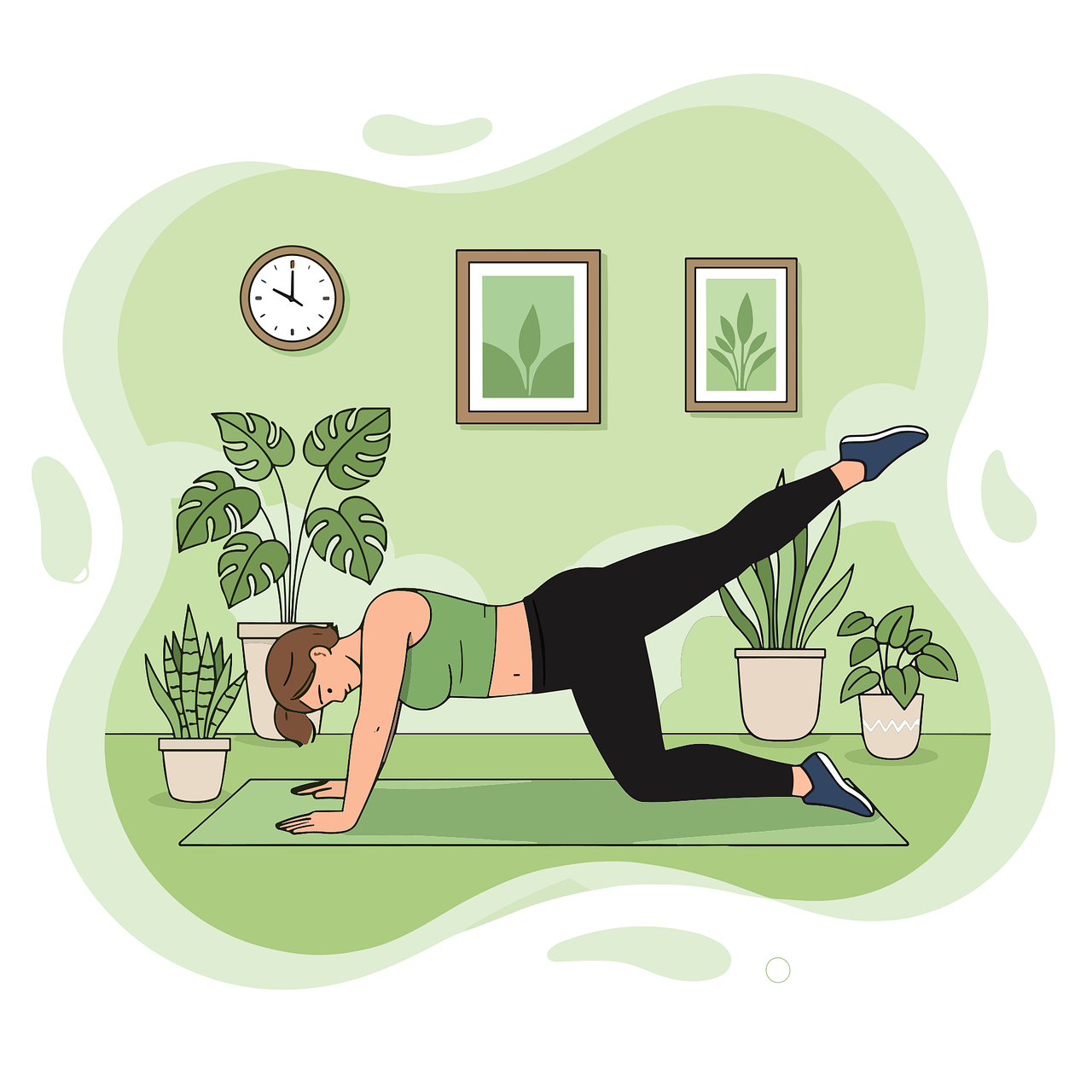

Bodyweight Exercises for Effective Home Training
Home workouts have gained immense popularity, especially in recent times when access to gyms has been limited. Bodyweight exercises provide an effective solution for those looking to stay fit without any expensive equipment. These exercises utilize one’s own body weight as resistance, making them highly accessible. The benefits of bodyweight workouts include increased flexibility, strength, endurance, and balance. Moreover, they can be done anywhere, whether at home, outdoors, or while traveling. For individuals of varying fitness levels, bodyweight exercises can be easily modified to accommodate personal needs. Beginners may try simpler exercises, while advanced practitioners can perform more challenging variations. No matter the fitness level, bodyweight training helps build a strong foundation for overall physical fitness. Incorporating these exercises into your routine can improve muscle tone and cardiovascular health, leading to a healthier lifestyle. Ultimately, consistent practice fosters motivation and a sense of achievement. As you embark on your fitness journey, consider starting with some essential bodyweight exercises to build your strength and confidence effectively.
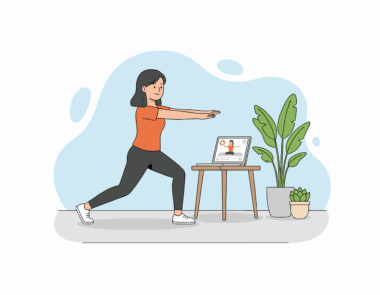
Bodyweight exercises are incredibly versatile and appropriate for everyone, including busy individuals. With no equipment required, it’s easy to incorporate them into your daily routine. Some popular bodyweight exercises include push-ups, squats, lunges, and planks. For example, push-ups work the chest, arms, and core, promoting upper body strength. Squats engage the lower body muscles, such as the quadriceps and hamstrings, improving overall lower body strength. Lunges not only develop leg strength but also enhance balance and coordination. Planks are excellent for core stability and overall body strength. These exercises can be adapted to various intensity levels, allowing for customization based on personal fitness levels. Furthermore, bodyweight workouts can be combined into a circuit for a more intense session. The convenience of practicing at home eliminates barriers like commuting time and gym memberships, motivating more individuals to commit to their fitness. Consistency is key in achieving desired results, especially with bodyweight training, as it allows for continuous improvement in strength and endurance over time.
The Importance of Progressive Overload
To maximize the effectiveness of bodyweight exercises, understanding the principle of progressive overload is crucial. This principle revolves around gradually increasing the demands placed on your body during workouts. In simple terms, this can mean increasing the number of repetitions and sets or shortening rest intervals. When your body adapts to certain exercises, it becomes less challenged, leading to a plateau in progress. By incorporating progressive overload, you can continually stimulate muscle growth and enhance overall fitness levels. For example, if you can perform 15 push-ups comfortably, aim to increase that number to 20 or vary the angle to make the exercise harder. Additional techniques include changing your stance, adding explosive movements, or implementing holds and variations for improved engagement. Consistent adjustments keep the workouts fresh and exciting, helping to combat boredom and foster a dedicated practice. Being aware of progressive overload allows anyone to set achievable goals and maintain motivation on their journey to a healthier, fitter lifestyle.
Another significant aspect of effective home training through bodyweight exercises is the importance of proper form. Utilizing correct form is vital to prevent injuries and ensure that the targeted muscles are being properly engaged. Many find bodyweight exercises to be easily accessible, yet they often overlook the necessity of maintaining form throughout the movements. Common mistakes include arched backs during push-ups or squatting too low without engaging the core. Individuals can reduce their risk of injury by focusing on quality over quantity. It is essential to maintain an engaged core, appropriate posture, and controlled movements during exercise. Make sure to analyze your movements in a mirror or record them to observe for improvements. Seek guidance from online resources or instructional videos if unsure about proper technique for various exercises. Maintaining solid form will contribute to increased effectiveness as you perform exercises and foster a more efficient workout. Ultimately, prioritizing technique over speed can yield better results and enhance the overall enjoyment of training at home.
Creating a Balanced Bodyweight Workout Routine
Establishing a balanced bodyweight workout routine is essential for achieving overall fitness. A well-rounded approach ensures that all major muscle groups are targeted, preventing muscle imbalances and enhancing functional strength. Effective routines should include exercises that stimulate the upper body, lower body, and core, promoting holistic development. To create a satisfying workout, incorporate a mix of push, pull, squat, and hinge movements. For instance, a balanced routine could consist of push-ups (push), pull-ups or inverted rows (pull), squats (squat), and hip hinges such as single-leg deadlifts (hinge). Tailoring the routine to individual preferences and fitness levels is crucial in maintaining motivation and consistency. Adding warm-up and cool-down sessions helps prepare the body for exercise and facilitate recovery. One approach could involve performing a warm-up with dynamic stretches, followed by the routine, and concluding with static stretches to enhance flexibility. Before beginning any new training regimen, it’s essential to listen to your body and ensure that exercises are enjoyable and effective for personal goals.
To further enhance your bodyweight training, consider integrating interval training techniques. High-intensity interval training (HIIT) incorporates short bursts of intense exercise followed by brief rest periods, delivering maximum results in minimal time. This method is not only more efficient but can also aid in increasing endurance and burning calories. For instance, performing 30 seconds of push-ups followed by 15 seconds of rest, repeating for several rounds, can create a high-energy workout. With bodyweight exercises, it’s simple to modify intervals by adjusting the duration of work and rest periods to match personal fitness levels. Be sure to include a variety of exercises to keep workouts exciting and prevent repetition fatigue. Combining different movements keeps challenges fresh and motivates continual growth and adaptation. Additionally, HIIT can be performed within a shorter duration, making it a perfect addition to our busy lifestyles. As you engage in these high-energy workouts, remember the importance of proper hydration and nutrition to support your body during training sessions.
Track Your Progress for Lasting Results
Finally, tracking your progress during bodyweight workouts is key to achieving lasting results. Keeping track of your workouts helps to identify strengths and areas for improvement, establishing a roadmap for your fitness journey. Consider maintaining a simple journal or using fitness apps to log your exercises, repetitions, and sets. Reviewing this information allows for reflection on achievements and adjustments to your routine as needed. Celebrate small wins to maintain motivation throughout the process while continuously challenging yourself. In addition, setting short-term and long-term goals can provide tangible milestones to strive toward. For instance, aim to achieve a specific number of pull-ups in one month or master certain advanced bodyweight variations. Re-evaluating goals occasionally ensures they remain relevant and in alignment with personal aspirations. Understanding that progress may not always be linear is crucial; some days will feel easier than others. Stay committed to the journey, as consistent effort and patience will yield positive changes in strength and fitness over time.
In conclusion, bodyweight exercises offer a practical and effective means to achieve fitness results from home. Their accessibility, versatility, and ability to incorporate progressive overload make them a favorite among fitness enthusiasts and beginners alike. Prioritizing proper form, developing a balanced workout routine, and incorporating techniques like HIIT provide opportunities for enhanced performance. Tracking progress allows individuals to celebrate achievements and set new goals, ultimately motivating continued participation in fitness. As you embark on your journey, remember to remain patient, consistent, and adaptable to achieve long-lasting results. Embrace the convenience of home workouts, join online communities for support, and share experiences. Slowly, you will notice the benefits of bodyweight training manifest in improved strength, endurance, and overall health. Establishing a daily practice may take time, but once formed, it becomes a rewarding part of your lifestyle. Explore the many resources available online or engage with a workout partner to bring joy and accountability to your home training. Your body can reach new heights, and bodyweight exercises can make all the difference in achieving your fitness goals.