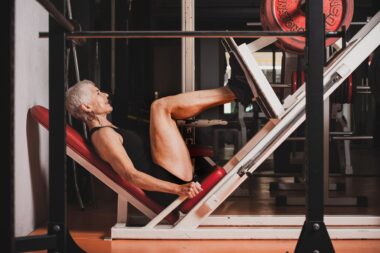

How Senior Fitness Classes Can Reduce Fall Risks
As older adults age, the risk of falling increases significantly, making it crucial to engage them in programs that emphasize strength and balance. Senior fitness classes offer structured routines designed to improve these essential areas. These classes focus on enhancing flexibility, coordination, and strength through tailored exercises, thus helping seniors maintain their independence. Regular participation in fitness programs not only boosts physical capabilities but also promotes mental health among older adults. Many participants experience increasing confidence after completing training, which serves as a psychological buffer against the fear of falls. Engaging in a group setting also fosters social connections that are vital for emotional well-being. Structured fitness programs provide modifications and adaptations suited for various ability levels, ensuring everyone can participate comfortably. Classes often include warm-ups, strength training, balance exercises, and cooldowns to provide a comprehensive workout. Beyond physical benefits, instructors often integrate education on safety and fall prevention strategies. This holistic approach significantly decreases the risk of falls while enhancing overall physical functioning in seniors. Ultimately, participating in senior fitness classes can significantly enhance the quality of life for older adults, allowing them to move with confidence and peace of mind.
Furthermore, one of the primary components of senior fitness classes is balance training. These exercises are pivotal in fall prevention, aiming to improve stability and coordination. Balance training can include specific exercises such as single-leg stands, heel-to-toe walks, and gentle yoga poses. By enhancing balance, seniors reduce the likelihood of losing their footing during everyday activities. Instructors tailor classes to focus on common functional movements that seniors encounter, ensuring relevance to their daily lives. Additionally, the risk factors contributing to falls often go unaddressed, such as vision changes and muscle weakness, which can be effectively targeted in these classes. A balanced approach also encompasses strength training to support muscle maintenance. As muscle mass naturally decreases with age, targeted resistance exercises become essential in counteracting this decline. Class participants often utilize resistance bands, light weights, or body weight to challenge their muscles safely. These exercises contribute to improved mobility and functional strength, enabling older adults to navigate their environment more securely. Consistency in attending fitness classes enhances the benefits accrued over time, reinforcing the foundation needed to prevent falls and maintain an active lifestyle.
Social Engagement and Its Importance
A key, sometimes overlooked benefit of senior fitness classes is the social engagement they promote. Isolation can lead to detrimental effects on mental health, particularly among older adults. By participating in group classes, seniors not only seek to improve their physical strength but also to build meaningful connections with peers. This social interaction can alleviate feelings of loneliness and depression, fostering a supportive community atmosphere. Additionally, shared experiences during workouts often lead to friendships, encouraging regular attendance. The motivational aspect also plays a significant role in sustaining engagement; seniors are more likely to remain dedicated to fitness when surrounded by peers who share similar goals. Instructors often promote collaborative exercises, which encourage participants to not only focus on fitness but also their social well-being. Engaging in conversations and celebrating each other’s progress contributes to a positive group dynamic. The friendships formed can provide additional support for maintaining a healthy lifestyle outside class environments. Social ties established in fitness classes often extend into social gatherings, allowing seniors to enjoy recreational activities together while maintaining their excitement for fitness.
Moreover, senior fitness classes provide a supportive environment that accommodates the unique needs of older adults. Instructors who specialize in senior fitness are typically trained to understand age-related physical limitations and health concerns. They ensure that each exercise is performed safely, using modifications when necessary. Participants receive personalized guidance, promoting correct form and technique, reducing the risk of injury. This attentive approach empowers seniors to push their limits within safe parameters while preventing overexertion. Classes often include low-impact options suitable for those with joint issues, ensuring inclusivity for participants with varying fitness levels. Sustainable participation becomes more feasible when individuals can comfortably perform movements without pain. In addition, ongoing assessments by instructors encourage continual progress tracking, helping participants see their improvements over time. This feedback not only boosts motivation but also reinforces the importance of continued physical activity. Another consideration is the integration of lifestyle education during classes. Participants might receive insights into nutrition, hydration, and injury prevention tailored to seniors’ needs. Overall, the absence of pressure in senior fitness classes enhances participants’ enjoyment and empowers them to prioritize their health and wellness.
The Role of Instructors in Fitness Success
Fitness instructors play an integral role in ensuring the success of senior fitness classes. Their expertise directly influences the effectiveness of class structures and participant outcomes. Instructors typically create programs that evolve over time, matching the growing capabilities and interests of their participants. Tailoring classes to communal interests ensures engagement, where activities align with common hobbies or preferences, creating a sense of belonging. Safety remains paramount in these environments; skilled instructors recognize each participant’s limitations and adjust exercises accordingly. This personalized attention reassures older adults, giving them the confidence to explore new movements while feeling secure. Instructors also emphasize the importance of warm-ups to prevent injuries, guiding participants through stretches that prepare their bodies for more vigorous activity ahead. Moreover, providing a variety of routines maintains participants’ interest, from strength circuits to cardiovascular activities. Incorporating fun activities such as dancing or chair workouts addresses both fitness and enjoyment, leading to increased attendance. Ultimately, professional and enthusiastic instructors inspire seniors to embrace fitness positively, underpinning the encouragement needed to thrive in a class setting.
In addition to the physical and social benefits, another vital aspect of senior fitness classes is the mental health boost they offer. Regular exercise has been scientifically linked to improved mental well-being, reducing symptoms of anxiety and depression among older adults. Participating in structured fitness activities stimulates the brain, enhancing cognitive functioning. Specific exercises may enhance coordination and memory by requiring mental engagement alongside physical movement. Classes often integrate mindfulness techniques that encourage participants to focus on their breathing and movements. This holistic approach can help seniors develop a greater sense of inner calm and equanimity, mitigating daily stressors. Furthermore, the emphasis on attainable goals increases self-efficacy, leading to a more positive self-image. Seniors who experience tangible improvements in their physical abilities often report feeling empowered, reinforcing their motivation to stay active. Group dynamics amplify these benefits, as members celebrate individual achievements, encouraging one another to strive towards their goals. The positive and supportive nature of senior fitness classes nurtures emotional resilience, allowing participants to build coping strategies. The potential benefits not only improve daily living but also create a foundation for lifelong health and happiness.
Conclusion: Committing to a Healthy Future
In conclusion, senior fitness classes play a crucial role in developing a comprehensive approach to fall prevention. They address various physical, social, and mental health aspects essential for leading an active lifestyle. In today’s aging population, the need for effective programs cannot be overstated, as many older adults face increased risks of falls. By prioritizing strength, balance, and flexibility, these fitness classes significantly contribute to reducing fall risks among seniors. With guidance from trained instructors, participants can cultivate their abilities and confidence in a supportive environment. Ultimately, these classes offer a pathway towards enhancing quality of life, showing that age should never limit an individual’s desire for movement and engagement. The sense of community built within these classes fuels motivation for regular participation. By establishing long-term connections between seniors and health practices, these fitness initiatives foster adherence to healthy habits that extend beyond the classroom. The journey towards improved health and safety starts with the first class, encouraging seniors to take charge of their fitness. Commitment to ongoing participation paves the way for healthier, more independent futures for older adults.