
Techniques to Alleviate Lower Back Pain by Correcting Posture
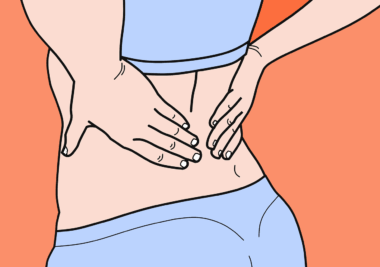
Lower back pain is a common ailment that affects individuals regardless of age and can be exacerbated by poor posture. Addressing posture not only helps mitigate pain but also promotes overall spinal health. First, it’s crucial to understand what constitutes good posture. Good posture involves aligning the various parts of your body correctly, which distributes weight evenly and minimizes strain on muscles and ligaments. Techniques for improving posture include ergonomic adjustments, where chairs and desks are set to promote a natural spinal curvature. Incorporating exercises that strengthen the core can also greatly enhance posture, alleviating lower back discomfort. Stretching can counteract tight muscle groups that develop from prolonged poor posture. Regular breaks from seated positions and using reminders to check alignment are effective strategies. Techniques like the Alexander Technique or the Feldenkrais Method can also be beneficial. They emphasize body awareness, helping individuals make conscious adjustments for better posture. Regularly practicing yoga can enhance flexibility and strength, creating a more stable foundation for the spine, contributing to overall well-being.
Understanding the Role of Core Strength
The core muscles play a vital role in maintaining proper posture and, consequently, good spinal health. Weak core muscles can lead to an imbalance, resulting in poor alignment and increased strain on the lower back. Engaging in exercises that target the abdominals, obliques, and lower back can significantly enhance core stability. Exercises such as planks, bridges, and abdominal crunches are excellent for strengthening these muscle groups. Furthermore, integrating stability ball exercises into your routine can challenge core stability while promoting correct posture. Consistently strengthening the core can not only alleviate existing lower back pain but also prevent future discomfort. Proper form during these exercises is paramount; therefore, it’s advisable to consult a fitness professional for guidance as needed. Regularly practicing balance exercises can also contribute to overall stability, further aiding in posture correction. Remember to complement core workouts with flexibility exercises to maintain a proper range of motion. Consistency is key; making core workouts a regular part of your fitness routine can yield significant benefits for your posture and spinal health.
Incorporating Stretching into Your Routine
Stretching is an essential component in correcting posture and alleviating lower back pain. Many people experience tightness in muscle groups such as the hip flexors, hamstrings, and lower back, contributing to improper alignment. Incorporating regular stretching into your fitness routine can reduce this tightness and promote relaxation of these muscles. Specific stretches targeting the lower back, hips, and thighs can improve flexibility, decreasing the risk of injury and pain. For instance, gentle yoga poses such as Child’s Pose, Cat-Cow, and Pigeon Pose are beneficial for opening the hips and relieving tension. It’s important to perform stretches slowly and mindfully, holding each position for at least 15 to 30 seconds. Focusing on deep breathing while stretching can enhance its restorative benefits. Additionally, consider scheduling stretching sessions into your day, particularly after prolonged periods of sitting or standing. Lower back pain relief will likely improve with regular stretching, allowing for greater ease of movement. These practices not only contribute to better posture but also have a profound impact on overall physical health and well-being.
Another important aspect of posture correction is becoming aware of your body mechanics during daily activities. Often, we unconsciously adopt poor postures while walking, sitting, or lifting heavy objects. Training yourself to be mindful of your body alignment can drastically improve your posture over time. For instance, while sitting, ensure your back is straight, and your feet touch the floor. When lifting objects, bend using your knees rather than your back, maintaining a neutral spine throughout the motion. Furthermore, when using a computer, position your monitor at eye level to prevent forward bending of the neck. Being proactive can help in forging good habits that promote spinal health. Regularly checking in with your posture can also be beneficial, perhaps by setting reminders to evaluate your stance or alignment throughout the day. Notably, incorporating tools such as lumbar support cushions can provide additional back support while sitting, thus enhancing your posture. Keeping these techniques at the forefront of your daily life can lead to a significant reduction in lower back pain and improved spinal health.
In addition to physical exercises and awareness, consider integrating therapeutic modalities such as chiropractic care. Chiropractors focus on spinal alignment and can provide adjustments to enhance posture and reduce pain. Regular chiropractic sessions can help identify underlying issues contributing to poor posture. Follow-up recommendations such as specific exercises may be provided to reinforce better alignment post-treatment. Many patients report improved spine health and decreased pain after engaging in this type of care. Additionally, therapeutic massages can relieve muscle tightness and promote relaxation. A trained massage therapist can identify tension areas and work to alleviate discomfort, particularly in the lower back and surrounding muscles. Combining chiropractic and massage therapies can create a synergistic effect, offering deeper relief from posture-related pain. Always consult with these professionals about an individualized approach tailored to your unique needs. It’s also advisable to check in with your primary care physician to rule out any underlying health conditions contributing to back pain. Their guidance will ensure a holistic approach to managing your spinal health.
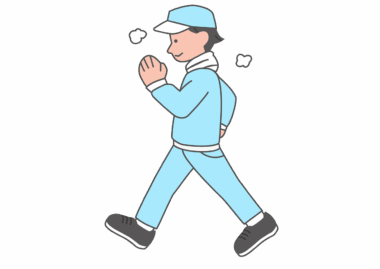
Maintaining a regular fitness routine is paramount for improving posture and alleviating lower back pain. Engaging in consistent physical activity helps strengthen not only your core but also your overall body, improving balance and coordination. Activities such as swimming, cycling, or walking are excellent for promoting cardiovascular health without straining the back. Opt for low-impact activities that do not exacerbate existing pain while still fostering movement. Additionally, integrating strength training with proper techniques using resistance bands or light weights can promote good posture. Balance and agility exercises can enhance stability, further supporting your body’s alignment. If possible, consider working with a personal trainer who specializes in posture correction techniques. This way, you receive tailored guidance on effective workout routines designed to improve your alignment and posture gradually. As you incorporate new exercises into your routine, be mindful of your limits, and challenge yourself slowly. Devoting time to fitness is an investment in your health, ultimately resulting in better posture, improved lower back health, and heightened overall well-being.
Lastly, staying hydrated and maintaining a balanced diet is essential in promoting spinal health and reducing lower back pain. Our body’s tissues rely on adequate hydration to maintain flexibility and function optimally. Dehydration may lead to muscle cramps and tighten the muscles around your spine, exacerbating pain. A well-rounded diet rich in fruits, vegetables, lean proteins, and whole grains supports muscle health and overall bodily function. Foods high in Omega-3 fatty acids, antioxidants, and vitamins can reduce inflammation, further aiding mobility and reducing discomfort. Focus on maintaining an ideal body weight to lessen the strain on your spine through proper nutrition. Additionally, consider incorporating supplements such as calcium and vitamin D to strengthen bones. Consulting a nutritionist can provide personalized guidance to optimize your diet for spinal health and back pain management. Engage in mindful eating practices by listening to your body’s hunger cues and eating when necessary. A healthy lifestyle, paired with a commitment to posture correction techniques, can ultimately yield significant benefits in alleviating lower back pain and enhancing overall well-being.
In summary, approaching lower back pain through posture correction involves a multifaceted strategy. Improving awareness of body mechanics, engaging in core strengthening exercises, incorporating stretching practices, and making healthy lifestyle choices all work together to create a comprehensive approach to spinal health. Be proactive in addressing this prevalent ailment, utilizing various techniques to empower yourself towards better posture and well-being. The journey towards optimal spinal health takes time and dedication, but the rewards include not only alleviation of pain but long-lasting benefits that enhance everyday life. Furthermore, working with professionals such as fitness trainers, physical therapists, and chiropractors can significantly aid your journey and ensure that you’re following effective techniques tailored specifically to your needs. Emphasize consistency and positivity in your approach, knowing that every small step contributes to your overall health. As you implement these strategies into your routine, observe your progress towards improved posture and reduced discomfort. Remember that achieving and maintaining good posture is a continuous process, one that requires conscious effort and adaptation as you navigate daily life.