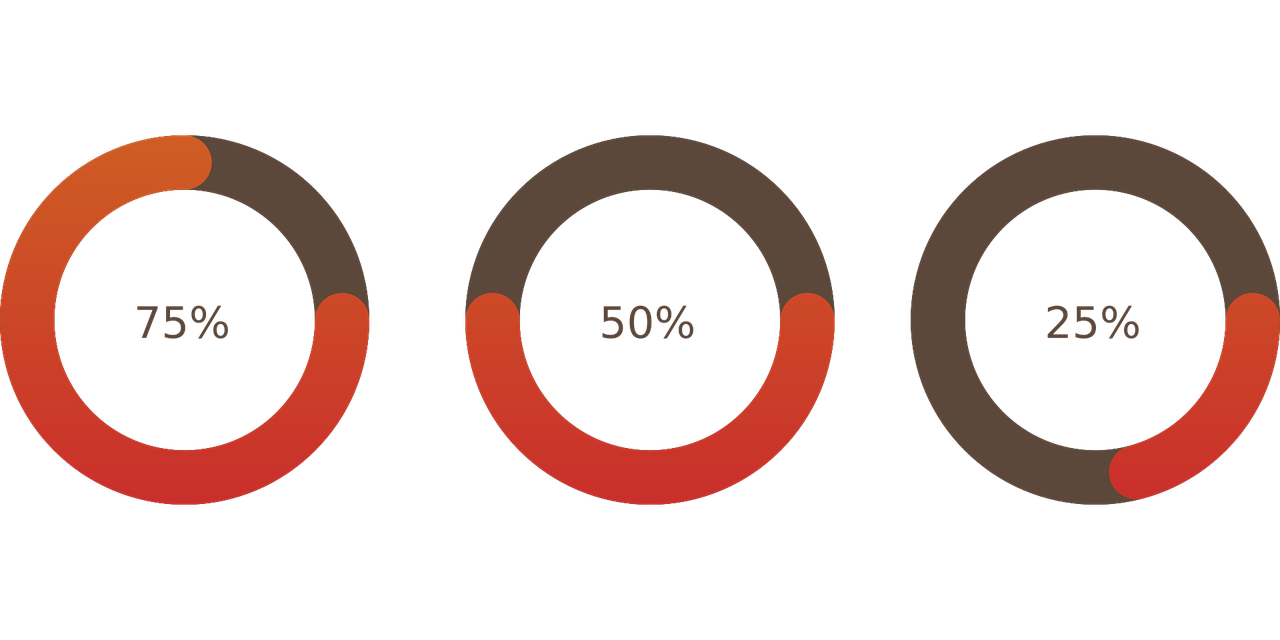

AI-Based Apps for Tracking and Analyzing Your Progress
In recent years, technology has rapidly evolved, significantly impacting various aspects of our lives, including the way we track and analyze progress. The advent of artificial intelligence (AI) has introduced innovative solutions for monitoring personal and professional growth. AI-based applications designed for tracking progress have become increasingly popular among individuals seeking to achieve their goals more effectively. These apps employ AI algorithms to analyze user data, providing insights that facilitate more informed decisions. They often offer personalized recommendations based on the user’s performance history and preferences, which helps users stay on course. By leveraging AI technology, these apps can adapt to changing circumstances and user needs, ensuring a tailored experience. Users can track their goals ranging from fitness to productivity, seamlessly integrating these tools into their daily lives. The combination of user-friendly interfaces and advanced analytics makes these AI-driven applications invaluable resources for progress monitoring, ultimately contributing to better outcomes. For anyone looking to enhance both personal and professional development, exploring AI-based tracking apps may prove beneficial in maximizing their potential.
To understand how AI enhances progress tracking, consider the importance of data analysis. AI excels in sifting through vast amounts of information quickly and accurately. By utilizing machine learning algorithms, AI applications can identify patterns and trends that individuals might overlook. This aids users in recognizing their strengths and weaknesses, driving enhancements in performance. For instance, fitness trackers that integrate AI technology can analyze an individual’s routines, helping them adjust exercise patterns for optimal results. Additionally, these applications can offer motivation through reminders and progress updates, providing users with the encouragement they need to stay on track. The visual representations of data often found in these apps further help users assess their growth. Furthermore, machine learning models can forecast future performance based on historical data, enabling users to set realistic goals. This predictive ability is crucial for those aiming for improvement, ensuring they remain focused on achievable outcomes. Ultimately, AI’s role in monitoring personal development represents a significant shift towards more efficient and strategic goal attainment, making individuals more empowered than ever to track their progress.
Popular Features of AI-Based Tracking Apps
AI-based tracking applications often come equipped with a variety of features designed to enhance user experience. One popular feature includes daily or weekly performance summaries, which provide users with an overview of their activities and achievements. Many of these apps employ visual dashboards to present this data in an engaging way, making trends easily recognizable. Integration with wearable devices is increasingly common as well, allowing for real-time monitoring of vital metrics like heart rate and step count. Users can also benefit from community features, enabling them to connect with others pursuing similar goals, thus fostering motivation and accountability. Furthermore, some apps utilize gamification techniques, rewarding users with badges or points for reaching milestones, which can significantly boost engagement. Personalization is another key aspect, where AI customizes content and recommendations based on unique user behavior. Alarm notifications remind individuals of upcoming tasks or milestones, reinforcing commitment. Collectively, these features work synergistically to enhance user interaction and satisfaction, ensuring that tracking progress becomes a seamless part of daily life. The integration of these features makes AI-based apps essential tools for effective progress monitoring.
An essential aspect of AI tracking applications is the user-friendly design that emphasizes convenience. Most AI-driven apps feature intuitive interfaces that make navigation simple and engaging, thereby encouraging consistent use. Whether it’s managing fitness goals or monitoring work projects, users can easily access features without technical frustration. Moreover, frequent updates and enhancements ensure that applications remain relevant and user-centric. Furthermore, many of these apps support cross-platform accessibility, allowing users to monitor their progress across different devices, including smartphones, tablets, and laptops. This synchronization is vital for maintaining continuous engagement as users can easily continue tracking wherever they are. An additional benefit is the offline functionality many apps offer, enabling users to log information even without internet connectivity. This flexibility allows for uninterrupted goal tracking despite daily obstacles. Additionally, the integration of voice-assistant technology can facilitate hands-free data input, making it even easier to update progress. As AI tools continue evolving, the emphasis on accessibility and convenience remains paramount. This commitment promotes regular use by users, ultimately enhancing their ability to track and analyze their progress efficiently.
Impact on Productivity and Goal Achievement
The positive impact of AI-based tracking apps on productivity is well-documented and notable. Many users have reported significant improvements in their time management and productivity levels after implementing these tools into their routines. These applications help facilitate clearer goal setting, allowing users to define specific, measurable, attainable, relevant, and time-bound (SMART) objectives. With AI’s analytical capabilities, users can break down larger goals into actionable tasks, thereby reducing overwhelm. Moreover, tracking apps can help identify bottlenecks and areas requiring more attention, enabling users to redirect their efforts effectively. As a direct result, users often find themselves achieving their goals more efficiently and with a clearer focus than ever before. The motivation derived from seeing one’s progress reflected in data also contributes significantly to sustained engagement. By visualizing their journey, users can feel a sense of accomplishment that propels them forward. Importantly, users also gain insights into emotional and mental hurdles encountered along the way. This newfound awareness can guide adjustments in approach, helping users adapt and thrive in alignment with their evolving objectives.
Security and privacy are critical considerations when utilizing AI-based applications for tracking progress, particularly as they often handle sensitive personal data. Reputable apps prioritize user privacy, employing robust encryption methods to protect information. Users should always review privacy policies to ensure their data is handled responsibly. Transparency plays a crucial role in establishing trust; thus, developers need to communicate how data will be used and stored clearly. Additionally, providing users with control over their data allows individuals to decide what information to share with the app. Moreover, many applications include features that allow users to delete or export their data at any time, ensuring autonomy. Opting for applications with positive user reviews and recommendations can further enhance confidence in a product’s reliability and security measures. As more individuals embrace AI technologies for tracking, staying informed about best practices in data security becomes essential. Ultimately, being proactive about privacy can empower users to reap the benefits of AI-driven progress monitoring without compromising personal information, making informed choices crucial in this digital landscape.
Conclusion: Embracing the Future with AI Tracking
AI-based applications are shaping the future of tracking and monitoring progress across various sectors, from health and fitness to professional development. They provide unprecedented insights and support, enabling users to harness the power of data for personal growth. The potential to analyze information and recognize patterns empowers individuals to set and achieve their goals effectively. As technology continues advancing, the capabilities of AI tracking apps will only expand, introducing more innovative features that further enhance user experience. For those keen on optimizing their approaches to self-improvement, embracing AI-driven tools is a logical step forward. These applications foster adaptability and resilience, qualities essential for thriving in an ever-changing environment. As individuals engage with these tools, they can cultivate a deeper understanding of their habits and performance, paving the way for continuous development. Thus, investing time in exploring AI-based progress tracking apps not only promises valuable insights but also encourages users to become active participants in their growth and success journey. With the benefits they offer, AI tracking applications represent a crucial component of modern personal development strategies.
Embracing AI in this context is not merely about utilizing technology; it’s about unlocking potential and achieving a well-rounded and fulfilling life experience, accurately aligned with personal objectives.