
The Role of Coaches in Competitive Cycling Success
In competitive cycling, coaches play an integral role in the success of athletes. Their expertise not only influences training regimens but also enhances performance during competitions. A skilled coach provides guidance on economy of effort, enabling cyclists to avoid burnout while maximizing output. Their analysis of strengths and weaknesses allows athletes to focus on areas needing improvement. Additionally, coaches develop tailored training programs that match individual cyclist goals. This personalization fosters not only physical growth but also emotional resilience on race day. The rapport built between a coach and an athlete is crucial, as trust can enhance performance under pressure. Proper communication from coaches ensures athletes have the right mindset to overcome challenges. They educate cyclists on proper nutrition and recovery strategies, which are essential for peak performance. Furthermore, coaches often develop race strategies that capitalize on the unique skills of their cyclists. This comprehensive support system, combined with tactical planning, enhances an athlete’s ability to perform at their best during crucial competitive moments. Competitive cycling becomes not just about physical ability but about a holistic approach to athlete development. Ultimately, effective coaching shapes future champions.
Training and Preparation
Effective training in cycling is a science and an art crafted by skilled coaches. They assess each cyclist’s unique physical and psychological profile, creating personalized training plans that optimize performance. Coaches monitor cyclists and adjust their routines based on feedback and performance metrics. This continuous adjustment ensures optimal preparation for competitive events. In essence, strategic periodization is key, allowing athletes to peak at important races. Coaches often implement varied workout routines, including long-distance rides, interval training, and recovery days, facilitating a well-rounded preparation regimen. Psychological preparation is equally critical, and coaches help cyclists manage anxiety through mental conditioning exercises. Visualization techniques and positive affirmations can focus cyclists during high-pressure situations. Coaches guide their athletes in setting realistic goals, both long-term and short-term. Achieving these goals fosters self-esteem and motivation, essential for sustained success. The coach-athlete relationship fosters a supportive environment where athletes feel comfortable discussing fears and challenges. This openness promotes trust, enabling coaches to develop their athletes more effectively. With their help, cyclists learn the importance of resilience and adaptability in overcoming obstacles present in competitive cycling.
Nutrition and recovery strategies are focal points in a competitive cyclist’s training program. Coaches are instrumental in educating cyclists about what to eat and drink to maintain their energy levels during training and racing. They emphasize the importance of hydration, especially leading up to competitions. Cycling can be physically draining, making it crucial for cyclists to replenish their energy stores appropriately. Coaches provide specific guidelines regarding macronutrient ratios, timing of meals, and pre-race fueling practices. They also advise on the types of recovery foods that aid muscle repair post-training. This holistic view on nutrition greatly impacts cyclists’ performance on race days. Recovery techniques, such as stretching, foam rolling, and rest, are also taught by coaches, underscoring their importance. Additionally, coaches help cyclists understand the need for rest days to prevent overtraining, which can lead to injuries. By instilling these best practices, coaches navigate cyclists through the physical demands of competitive cycling. The results manifest not just in race performance but also in overall health. A well-balanced approach to nutrition and recovery sets the foundation for long-term success in competitive endeavors, enhancing overall performance.
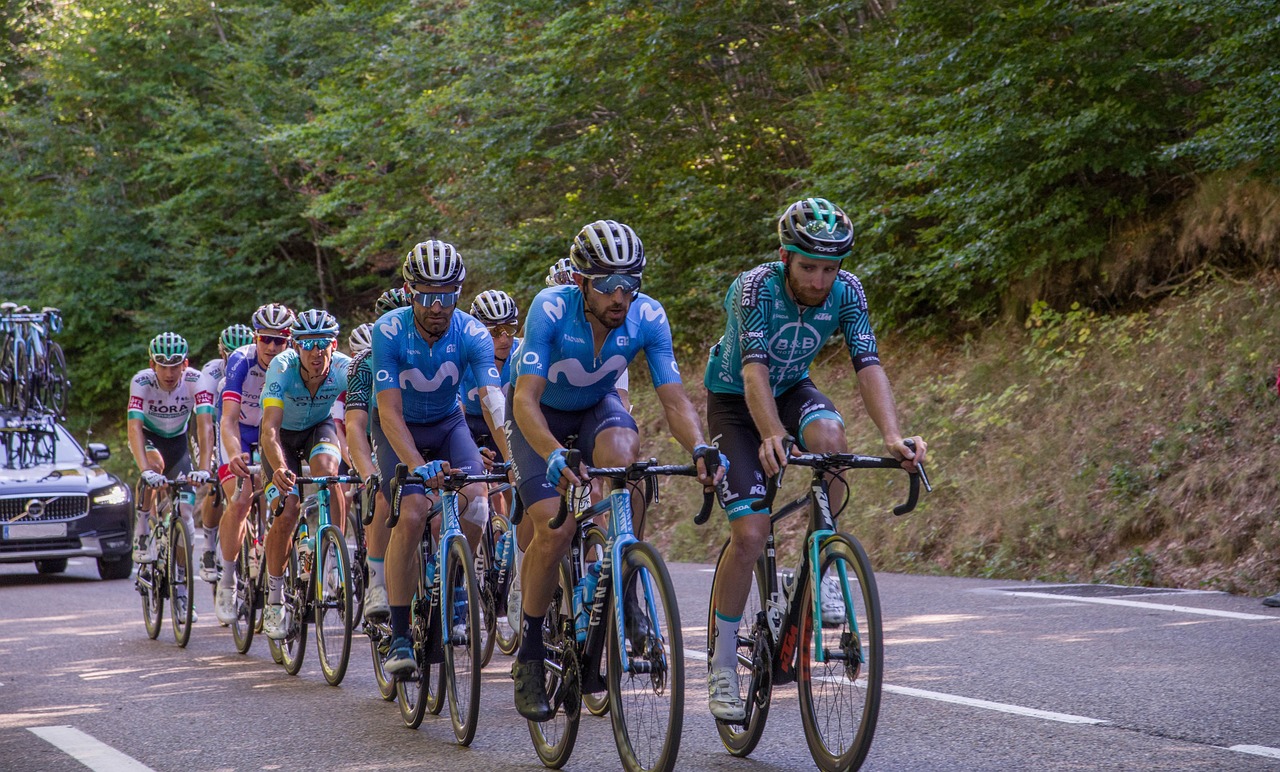
Race strategy is where a coach’s tactical skills and experience shine. Coaches analyze the course’s terrain and conditions to devise strategies tailored to their cyclist’s strengths. Understanding various race dynamics allows coaches to tailor their approach, considering both individual strengths and team strategies. For instance, they may advise cyclists on when to exert energy during climbs or sprint ahead during critical moments. Coaches often engage in discussions about pacing, emphasizing the importance of maintaining consistent efforts rather than going all-out too early. Tactical instructions during races may also include when to break from the pack or how to conserve energy while drafting. The communication between the coach and the cyclist plays an integral role during a race, allowing for flexible adjustments in strategy as new challenges arise. This adaptability can make the difference between winning and losing. Coaches instill in cyclists the importance of teamwork when racing in groups, fostering camaraderie and support on the road. These elements create a supportive dynamic, maximizing both individual and collective performance. Thus, the role of a coach in formulating race strategies is indispensable in competitive cycling contexts.
Mental Resilience and Motivation
Mental resilience is a key component in cycling success, influenced significantly by coaching strategies. Coaches not only help athletes prepare physically but also mentally for the demands of competitive cycling. They teach cyclists how to cope with adversities, elevating their mental toughness. This support is particularly vital during races where conditions can be unpredictable. Techniques like mindfulness and breathing exercises can help athletes manage stress and anxiety. They also emphasis goal setting, as accomplishing smaller milestones builds confidence over time. Coaches play a crucial role in maintaining motivation and focus, helping cyclists stay committed despite setbacks. Furthermore, they encourage reflection on performance to learn from each cycling event. Through open communication, they are able to instill a positive mindset, motivating cyclists to push their limits. Coaches often remind their athletes that failures are stepping stones towards success, helping cultivate a growth mindset. This perspective shift can transform how cyclists approach challenges. In essence, the psychological aspect of competitive cycling is just as important as the physical. The fight in a cyclist’s mind can propel them farther than the sheer strength of their legs in a race.
Another critical aspect of a coach’s role involves fostering team dynamics. Competitive cycling often relies on teamwork, and a coach orchestrates this aspect to ensure synergy among teammates. By encouraging open communication, coaches create an environment where cyclists feel valued and heard. This sense of community motivates cyclists to work harder for each other, solidifying trust within the team. Coaches often organize team-building exercises to strengthen relationships and create bonds among teammates. These activities enhance camaraderie, which translates into better performance during competitions. Furthermore, understanding individual personalities helps coaches develop strategies that work for the team as a cohesive unit. Each rider can contribute uniquely based on their skills and strengths, enhancing teamwork on the road. Successful teams exhibit harmony both during training and events, supported by their coach’s guidance. A successful cycling team is more than just individuals racing together; it is a united force driven by a shared vision. Effective coaching fosters an atmosphere where each cyclist feels empowered to contribute, ultimately leading to greater success in competitions. A united team, supplemented by strategic coaching, is essential for achieving competitive cycling goals.
Future trends in competitive cycling coaching will likely focus on technology and data analysis. Coaches today are utilizing advanced tools to enhance their training methodologies, enabling informed decisions based on stats. Wearable technology, including heart rate monitors and GPS devices, provide real-time data that can be observed and analyzed. This information equips coaches with insights into each cyclist’s performance metrics, such as power output and cadence. Consequently, these insights shape training regimens and race strategies, providing a competitive edge. Furthermore, performance analytics can greatly impact injury prevention; understanding fatigue indicators can help coaches adjust training loads accordingly. As cyclists also become more data-driven, they may seek insight into their performance trends and areas for improvement. Coaches incorporating these technologies will find themselves leading a new generation of cyclists. However, balancing technology use with traditional coaching methods remains crucial. Though technology provides invaluable insights, the human element of coaching – motivation, relationship-building, and encouragement – cannot be replaced by data. The intersection of technology and traditional coaching methods holds promise, heralding an era of enhanced performance and potential in competitive cycling.
As the world of competitive cycling continues to evolve, the role of coaches will remain pivotal in shaping future champions. Their expertise fosters a supportive and structured environment for improvement, placing emphasis on both physical and mental aspects of performance. Insights from seasoned coaches, combined with innovative strategies, can greatly enhance athletes’ skills and strategies. By understanding the unique needs of cyclists, coaches can develop personalized programs that maximize potential. Furthermore, investing in ongoing professional development will ensure that coaches stay ahead. Engaging in latest research, networking with other professionals, and experimenting with methodologies keeps coaching practices fresh and effective. Traditional coaching can be enhanced by leveraging advancements in sports science, nutrition, and psychology. Commitment to continuous learning leads to greater adaptability in the field, allowing coaches to tailor their approach as new challenges arise. The importance of resilience, adaptability, and a bespoke training strategy cannot be understated. Competitive cyclists and their coaches must continue to collaborate closely, fostering a shared vision aimed at achieving both individual and team goals. Ultimately, this partnership drives success and excellence in the competitive cycling realm.