
Yoga Sequences Tailored for Long-Distance Runners
Long-distance running requires not only endurance but also flexibility and balance, which can be enhanced through specific yoga sequences. Understanding how yoga complements running is crucial for any athlete aiming to improve performance. Yoga stretches various muscles, aiding recovery and preventing injuries. Implementing a consistent routine helps runners maintain muscle elasticity and joint health. Additionally, the focus on breathing techniques in yoga reinforces the aerobic capacity needed for long-distance running. As you become more aware of your body through yoga, you’ll also develop a greater understanding of your running form and potential areas of improvement. This connection between mind and body leads to enhanced concentration during runs. A key component to incorporate is the integration of power and relaxation, which yoga offers through its various postures and breathing exercises. Consequently, your overall stamina can improve significantly with the right approach. Also, the mental aspect of long-distance running becomes more manageable through mindfulness achieved in yoga. With continuous practice, you’ll notice not only physical benefits but also an uplifted mental state associated with improved performance. Ensure that your running and yoga practice are harmonized for optimal results in both disciplines.
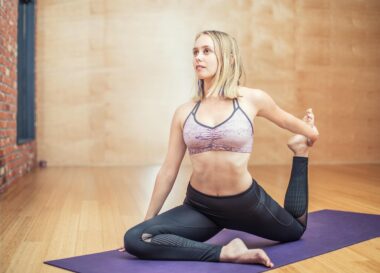
Before diving into specific sequences, it’s essential to grasp the profound impact yoga has on strengthening the core. Genuine core strength provides a solid foundation for runners, enhancing balance and posture during runs. Including poses such as Plank and Boat can significantly boost core stability, contributing to proper alignments and reducing the risk of injuries common among runners. Furthermore, focusing on hip openers like Pigeon and Lizard poses assists in unlocking tight muscles, allowing for greater stride length and efficiency in running. As flexibility increases, so does your ability to maintain endurance over those long distances. Along with core and hip work, consider integrating backbends which help in counteracting the forward-leaning posture of many runners. The Bridge and Cobra poses open the chest and encourage better breathing patterns. Improved lung capacity directly influences stamina and performance. Always listen to your body during these sessions, ensuring that you never push past your limits. Lastly, consider pairing your yoga practice with proper running shoes and nutritional habits for maximal results. Consistency in both practices pays dividends on race day by ensuring you are not only prepared physically but also mentally for the rigorous demands of long-distance running.
Essential Yoga Poses for Runners
When embarking on a journey of incorporating yoga into your running routine, certain poses stand out due to their benefits tailored for increased performance. Sun Salutations are a fantastic warm-up, helping the body transition into a more fluid, flexible state. They are great for warming up muscles and encouraging circulation. Next, consider incorporating downward-facing dog, a posture that not only elongates the spine but also stretches the hamstrings and calves, which are typically tight in runners. Triangle Pose beautifully stretches the hips, opening them up and benefiting stride length. Furthermore, the Half Pigeon Pose is superb for deeply stretching the hip flexors and glutes, areas often neglected. Post run, integrating Child’s Pose provides a gentle recovery stretch that relaxes the lower back while soothing the mind. Always focus on your breath throughout these poses to enhance the calming effect. While practicing, remember to move slowly into the postures to avoid strain, ensuring that you respect your body’s limits. Creating a unique blend of strength and flexibility will show significant results in your running performance on varied terrains.
The connection between breathwork in yoga and running should not be underestimated. Pranayama, the practice of controlled breathing, is as vital for runners as physical strength training. Incorporating techniques such as Ujjayi breath, which involves constricting the back of the throat slightly to create sound, enhances lung capacity over time. Furthermore, these techniques can help center your thoughts and foster mindfulness during extended runs, improving your mental focus. Additionally, by learning to control your breath, you can determine your pace better, preventing fatigue during long hauls. This ties back to the importance of mindfulness in yoga, making your runs more enjoyable and less daunting. Consider dedicating specific yoga sessions just for breath-focused practices to deepen your skill set. When combined with physical poses, proper breathwork allows for a more harmonious running experience. As distances increase, mindfulness becomes paramount; thus, establishing a routine becomes necessary for growth. Ultimately, a strong connection between these disciplines can lead to exceptional results, both in physical performance and mental well-being during your training cycles.
Creating a Balanced Routine
To harness the full benefits of yoga as a long-distance runner, creating a balanced routine is essential. Begin by dedicating at least two days a week solely to yoga practices, enabling the body sufficient time to recover from intense runs. Scheduling longer yoga sessions on rest days allows you to focus on deeper alignment and flexibility work without rushing. As you progress, consider alternating between restorative and more vigorous yoga sessions to give your body a comprehensive experience. It’s also beneficial to incorporate a post-run yoga routine to stretch tight muscles while your body warms down. To enhance efficacy, set specific goals for each session, whether it’s exploring deeper flexibility, strengthening your core, or balancing on one leg for stability. Keep a yoga journal to track progress and changes in your running performance linked to yoga practice. Also, engaging with a yoga community allows for added motivation and support. By structuring your routine thoughtfully, you’ll find enhanced resilience in your runs as you balance between both disciplines effectively. Consistency paired with a strategic plan leads to long-term improvement and satisfaction in your running journey.
Lastly, integrating mindfulness into every practice strengthens the connection between yoga and running. When you take the time to check in with yourself, assessing physical and mental states, you learn to respect your body’s fatigue levels. This awareness promotes not only better performance on runs but also helps prevent injuries that can occur when ignoring the body’s signals. Mindfulness during yoga sessions allows you to reflect on emotions and thoughts, cultivating a richer relationship with your training. Utilize techniques like visualization, imagining yourself crossing the finish line during challenging poses. Also, establish a calming post-run ritual post-yoga; unwind by enjoying a cup of herbal tea or meditating momentarily. As a final touch, setting aside an evening every week to review your running journey, alongside yoga notes, can illuminate your growth areas and achievements. The dialogue between these practices enriches both experiences, offering insights and improving overall longevity in your running pursuits. This holistic approach aids physical endurance and emotional resilience, giving runners the tools they need to tackle any distance with grace and strength.
Conclusion
In conclusion, the integration of yoga into your running regimen can create a powerful synergy that benefits athletes at any level. Not only physical benefits are realized but also mental clarity and emotional strength are gained through this practice. Embracing yoga offers runners a multifaceted approach to tackling long distances with confidence and resilience. Start by prioritizing poses that target core strength, hip flexibility, and breath awareness; these aspects play a crucial role in performance improvement. With consistent practice, you’ll notice marked progress not only in your running pace but also in your ability to recover between sessions. The journey extends beyond physical capabilities; the deepened understanding of self that comes through yoga allows for a richer experience on and off the trails. Set measurable goals within both practices to monitor improvement over time, and do not shy away from working with coaches who specialize in yoga for athletes. Engaging in dialogues about your experiences fosters a sense of community within this empowering sport. Together, these elements create a fulfilling running journey enhanced significantly through the art of yoga.