
Nutrition Strategies for Weight Management in Fitness
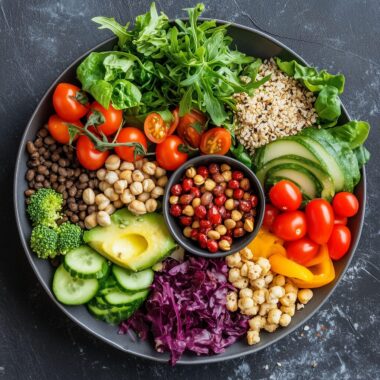
Managing weight effectively is essential for anyone engaged in fitness. Setting the right nutrition strategy can help you achieve your fitness goals. Start by planning your meals around whole foods, including fruits, vegetables, lean proteins, and healthy fats. Whole foods offer nutrients that processed foods often lack. Creating a meal plan can assist in maintaining the right caloric intake while ensuring nutritional balance. Portion control is vital, as eating excessive amounts, even healthy foods, can hinder weight management. Utilize smaller plates to help control portion sizes without feeling deprived. Consider keeping a food journal to track your daily intake. This will help you become more aware of your eating patterns and make necessary adjustments. Stay hydrated, as drinking water can help reduce hunger and increase metabolism. Aim to consume at least eight glasses daily. Additionally, consider incorporating snacks rich in protein and fiber, which can promote satiety and keep you feeling full longer. Consult a nutritionist for tailored advice to suit your specific requirements and lifestyle. This guidance can boost your success in both weight management and overall fitness.
Incorporating macronutrients effectively is another essential strategy in your nutrition plan. Focus on achieving a balanced ratio of carbohydrates, proteins, and fats tailored to your fitness routine. Carbohydrates provide energy for workouts; thus, they should be included particularly before training sessions. Opt for complex carbs, such as whole grains and legumes, to stabilize blood sugar levels and provide sustained energy. Proteins are crucial for muscle repair and growth, particularly post-workout. Sources like chicken, fish, lentils, and tofu provide the necessary amino acids. Healthy fats, although calorie-dense, are essential for hormonal balance and can be found in avocados, nuts, and seeds. Meal balancing techniques can maximize the nutrient absorption and provide long-lasting energy. For effective results, plan snacks around your workouts and daily schedule. Eating smaller meals every three to four hours can help optimize metabolism and prevent overeating. Consider food prep days to enhance efficiency in healthy eating. Preparing meals in advance can reduce the temptation to opt for unhealthy alternatives. This structured approach contributes to better decision-making and ultimately supports your fitness goals.
The Role of Fiber in Weight Management
Fiber plays a critical role in weight management and should be a staple in your diet. Foods high in fiber are beneficial for digestion and can help maintain a healthy weight. They create a feeling of fullness, thus reducing your overall calorie intake. Start by incorporating various fiber-rich foods like fruits, vegetables, whole grains, and legumes into your meals. Aim for a daily fiber intake of about 25 grams for women and 38 grams for men. When fiber-rich foods are consumed alongside lean proteins, the satiety effect is even more pronounced, making it easier to avoid unhealthy snacking. Be mindful of slowly increasing fiber in your diet to prevent digestive discomfort. Hydrating adequately while increasing fiber intake is vital, as this helps avoid constipation. Maintaining balance between soluble and insoluble fiber in your meals will optimize digestive health. Soluble fiber, found in oats and beans, helps control cholesterol levels; while insoluble fiber, found in vegetables and whole grains, aids digestion. Consistently include fiber in your meal planning to enhance overall wellness and facilitate effective weight management.
Meal timing is also an often-overlooked strategy in weight management. Eating at specific times throughout the day can help regulate your natural metabolic rhythms and energy levels. For instance, having a balanced breakfast can jump-start metabolism, improve energy, and set a positive tone for your food choices throughout the day. Research suggests that spreading your meals throughout the day can enhance feelings of satiety and prevent excessive hunger. As a result, timing your meals to coincide with your activity levels can significantly impact your success. Consider consuming carbohydrates during pre- and post-workout sessions to fuel exercise and aid recovery effectively. Additionally, some find benefit in intermittent fasting or other eating schedules. Such strategies should be approached cautiously and in consultation with a healthcare professional to ensure they align with your individual health needs and goals. Exploring various meal timing methods can yield insights on what works best for you. Remember that every individual is different; thus, a personalized approach is crucial in shaping effective nutrition habits.
Mindful Eating Techniques
Mindful eating fosters a positive relationship with food and can significantly aid weight management. This practice involves being present during meals and paying attention to the sensory experiences of eating. To practice mindful eating, try to eliminate distractions, such as watching television or using mobile devices. Focus entirely on your food, noting flavors, textures, and aromas. Savoring each bite helps you become more attuned to your hunger and fullness cues, preventing unnecessary overeating. Take smaller bites and chew your food thoroughly, which slows down the eating process. This slower approach allows your brain to recognize fullness more accurately, reducing the chances of overeating. Additionally, ensure to assess your emotional state when eating. Many individuals eat due to stress or boredom, leading to unhealthy eating patterns. By being mindful and aware of emotional connections to food, you can develop better coping strategies that do not revolve around eating. Choose healthier alternatives to manage emotions, such as exercise or talking to friends, when seeking comfort. Using mindful techniques can transform your eating habits and enhance your overall well-being during your fitness journey.
Preparing meals at home is a beneficial practice that can contribute positively to weight management. When you cook your meals, you have full control over ingredients, portion sizes, and cooking methods. This control leads to healthier food options and ensures that you are consuming nutritious meals. Begin by designating time for meal prepping on weekends or specific days throughout the week. Batch cooking allows you to prepare meals in advance, making them quick and convenient options for busy days. Choose healthy recipes that incorporate lean proteins, whole grains, and plenty of vegetables. Experiment with different herbs and spices to enhance flavors without adding extra calories. Furthermore, storage strategies play a crucial role, as keeping meals organized ensures easy access and promotes a balanced diet. Use clear containers labeled with dates to avoid confusion. Remember, incorporating variety into your meals prevents boredom while supporting nutritional needs. When eating at home, resist the urge to make unhealthy choices by planning meals that excite you. Cooking should be an enjoyable experience that reflects your health goals, reinforcing your commitment to fitness and well-being.
Consulting Professionals for Optimal Results
Lastly, seeking guidance from nutrition professionals can enhance your nutrition strategies for weight management. Registered dietitians or nutritionists provide tailored advice that aligns with individual needs, goals, and fitness levels. Whether you’re looking to lose weight, gain muscle, or simply improve your overall health, professional insights are invaluable. These experts can help identify specific dietary adjustments that may be beneficial while ensuring adequate nutrient intake. Additionally, exploring behavior change strategies can reinforce healthier habits, making them sustainable. Understanding the psychological aspects of food choices can yield significant improvements in your approach to nutrition. They can also provide resources and tips that fit your lifestyle and preferences. Setting realistic goals is essential, and a nutritionist can help you measure progress effectively. Tracking habits and maintaining accountability can boost motivation in a fitness journey. Though many resources are available online, personalized guidance leads to results as unique as you are. Investing in professional help fosters your commitment to health, ensuring you have the tools needed to achieve lasting success in weight management.
Nutrition is a key aspect of a successful fitness journey. Several strategies promote effective weight management through balanced meals, mindful eating, and guidance from professionals. Start prioritizing whole foods, practice portion control, and plan meals efficiently. Incorporate sufficient macronutrients, particularly fiber, to enhance digestion and satiety. Meal timing, mindful eating techniques, and home cooking contribute positively to nutrition strategy effectiveness. Lastly, consulting professionals provides tailored advice that considers individual needs and supports long-term success. Embrace these nutrition strategies for a healthier, fitter lifestyle as you work towards your fitness goals. Stay committed and informed along the way!