
How to Use Video Analysis to Improve Sports Performance
In the realm of competitive sports, athletes strive for peak performance, often relying on various training tools. One effective method gaining traction is video analysis, which allows athletes to fine-tune their skills and strategies. Video analysis involves recording performances during training or competition and then reviewing the footage to identify strengths, weaknesses, and areas for improvement. This technique offers valuable insights that can help athletes understand their movements, refine their techniques, and enhance their overall performance. By observing their posture, footwork, and decision-making in real-time, athletes can make informed adjustments in subsequent training sessions. Additionally, athletes can compare their performances against competitors or previous recordings to track progress. Utilizing specific software, athletes can annotate videos, highlight key moments, and create visual aids to enhance learning. Furthermore, coaches play a pivotal role in this process by providing feedback and critical analysis. Video analysis fosters deeper understanding, allowing both athletes and coaches to collaborate effectively. Overall, integrating this powerful tool into training regimens significantly contributes to performance optimization.
Another advantage of video analysis is its ability to boost communication between athletes and coaches. By utilizing recorded footage, coaches can demonstrate techniques more clearly, addressing issues that athletes may struggle to grasp verbally. This visual feedback ensures that athletes can observe firsthand what needs adjustment in their form or strategy. Effective communication is crucial for improving sports performance, and video analysis bridges the gap between theory and practice. Coaches can also use the footage to teach strategic elements of the game, helping athletes recognize patterns, anticipate opponents’ movements, and make better decisions during competitions. Additionally, athletes can review their own performances, gaining a personal perspective on their growth. This self-review process often leads to increased accountability and motivation as athletes set specific goals based on their analyses. Moreover, technology allows for collaborative sessions where athletes can review footage together, fostering a team environment. The shared experience of analyzing performances creates a stronger bond among teammates, leading to improved overall dynamics. Thus, in preparation for competition, integrating video analysis proves invaluable for enhancing communication, understanding, and teamwork, building a comprehensive training approach.
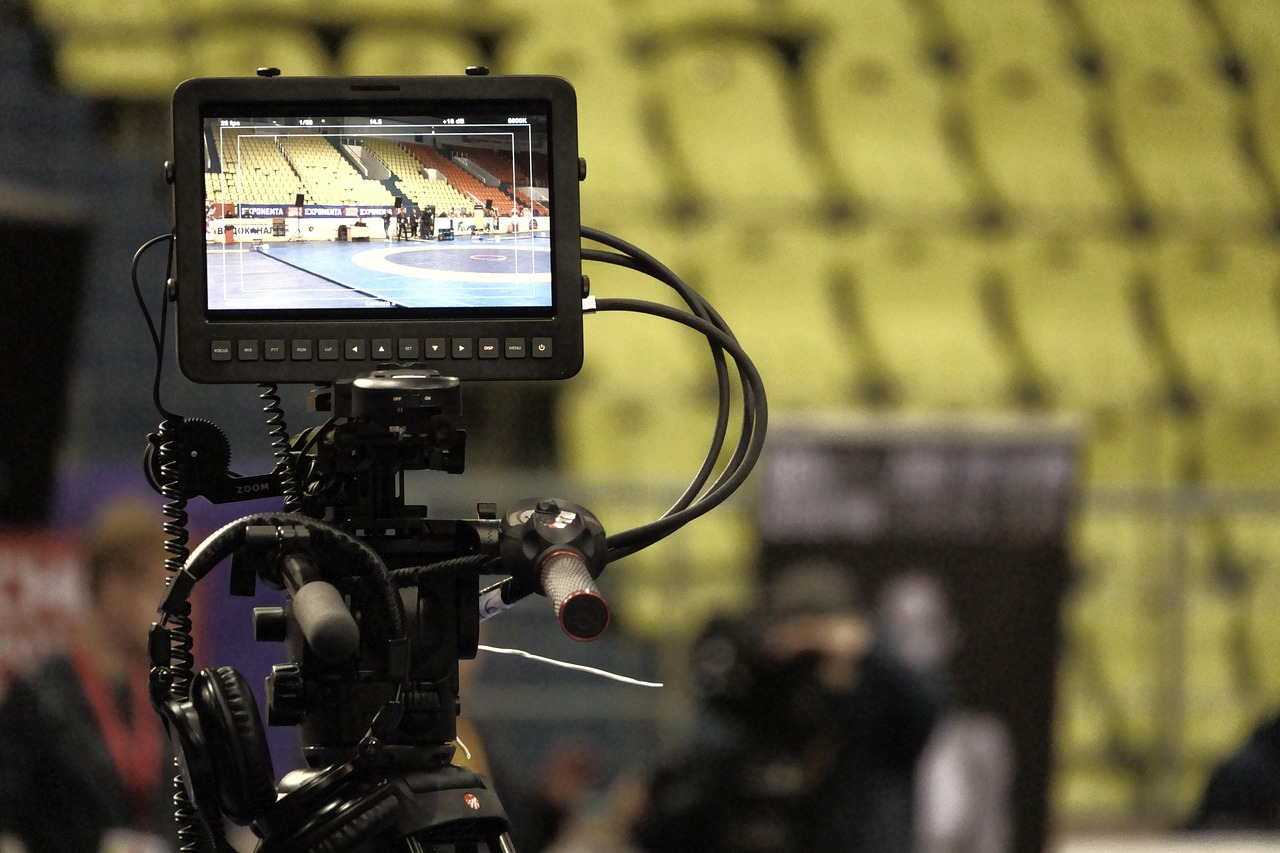
When considering the implementation of video analysis in training, it’s essential to choose the right equipment and software. High-quality video recording devices are crucial, as poor footage may not provide the clarity needed for detailed analysis. Athletes should consider using action cameras, smartphones, or even drones for unique angles that capture movement effectively. Additionally, selecting user-friendly software can enhance the analysis experience, allowing for easy annotation, slow-motion playback, and comparison features. Many programs cater specifically to sports analysis and provide features that focus on performance enhancement. Athletes may also explore options for cloud storage to keep videos organized and accessible. The ability to easily share videos with coaches or teammates fosters collaboration and feedback. Once the appropriate tools are in place, establishing a routine for capturing footage is vital. Athletes should consistently record their training sessions and competitions to build a comprehensive library of performances. This consistency ensures that they have ample material to analyze and refine their skills. Ultimately, the success of video analysis in competition preparation hinges not only on technology but also on consistent application and dedication.
Using Video Analysis for Tactical Insights
Video analysis is not limited to individual performance; it extends to team tactics as well. Coaches can compile recordings of entire games to assess overall team dynamics and strategic execution. By reviewing game footage, coaches can identify successful plays, defensive formations, and areas that require modification. This method allows teams to focus on building effective strategies for future competitions while understanding their opponents’ strengths and weaknesses. Additionally, athletes can learn from past matches, studying critical moments where decisions made an impact on the game’s outcome. These insights can inform training sessions, emphasizing particular skills or tactical maneuvers that need refinement. Moreover, video analysis provides an opportunity for athletes to recognize successful patterns and replicate them in practice. By studying their collective performance, teams can foster a culture of continuous improvement, motivating athletes to enhance their contributions. Applying this analysis during competition preparation leads to a more informed approach, ensuring athletes are not just prepared physically but also strategically. Consequently, utilizing video analysis for tactical performance significantly enriches the competitive experience.
Integrating video analysis into an athlete’s training regimen poses challenges, particularly regarding time and focus. Athletes must balance their training commitments with video review sessions, which may detract from physical conditioning or skill practice. To maximize effectiveness, athletes should schedule specific times for video analysis, ensuring it complements rather than competes with other training activities. Additionally, it is crucial to maintain a focus on positive reinforcement when analyzing performance. Athletes might become overly critical of their techniques, leading to decreased confidence. Coaches must ensure that feedback is constructive, highlighting both strengths and areas for growth. Finding the right balance between critique and encouragement enhances motivation and fosters a positive training environment. Moreover, athletes should set realistic goals based on their video analyses, providing a clear path for improvement. Sometimes the insights gained may lead to overwhelming feelings, particularly if numerous adjustments are necessary. Thus, emphasizing gradual progress ensures athletes remain focused on their journey towards performance enhancement, ultimately benefiting their mental well-being. This careful navigation of video analysis can lead to substantial performance improvements.
A significant aspect of video analysis is its role in injury prevention. Athletes can identify improper techniques that may contribute to injuries, allowing for timely corrections. Through reviewing their movements, athletes become more aware of their biomechanics, which plays a critical role in maintaining health during training and competition. For instance, excessive strain on joints or incorrect landing techniques might lead to injuries over time if not addressed. By utilizing video footage, coaches and athletes can isolate problem areas and modify training techniques accordingly. This proactive approach reduces the likelihood of injuries, ensuring athletes can maintain consistent training schedules leading up to competitions. Additionally, establishing an injury prevention program that encompasses video analysis enhances the overall effectiveness of training. Athletes can monitor their recovery from injuries by comparing footage before and after incidents to ensure they are returning to their optimal form. Moreover, discussing rehabilitation progress during video analysis sessions fosters open communication between athletes and coaches. This prioritization of health not only improves performance but also contributes to greater longevity in sports, ultimately leading to more successful competitive careers.
Finally, the best practices surrounding video analysis involve maintaining an organized approach to capturing and reviewing footage. Creating a structured catalog of videos based on training sessions and competitions makes it easier for both athletes and coaches to access relevant material. Labeling videos with specific goals or focus areas enhances the efficiency of review sessions. Additionally, setting time limits for analysis encourages a focused approach, ensuring discussions remain productive. It is essential to take notes during video reviews to summarize key insights and action items, providing a roadmap for future training endeavors. Integrating this organized structure into routine analysis keeps athletes engaged and accountable in their performance journeys. Furthermore, athletes may want to incorporate peer feedback, sharing videos with teammates to gather diverse perspectives. Such collaborative reviews foster camaraderie among athletes and inspire positive changes through shared learning experiences. Setting benchmarks and tracking progress over time allows athletes to witness their growth, driving motivation and commitment. When structured effectively, video analysis becomes an indispensable tool for enhancing sports performance, providing layers of insight that benefit both individual athletes and their teams.