
How to Use Heart Rate Monitors for Effective Training
Heart rate monitors have become essential tools for fitness enthusiasts aiming to enhance their training effectiveness. By tracking heart rates, individuals gain insights into their cardiovascular fitness, exercise intensity, and overall health. Using these devices helps to optimize workouts, ensuring that one stays within the appropriate heart rate zones. Establishing a baseline is crucial before using a heart rate monitor; this includes testing resting heart rates under various conditions. Accurate measurements allow for tailored workouts that meet fitness goals. Additionally, understanding the different heart rate zones, such as the fat-burning zone and the aerobic zone, enables individuals to target specific areas effectively. For effective training, monitor various factors like age, fitness level, and health status. This information contributes to setting realistic goals that can be achieved over time. As such, either a chest strap or wrist-based monitor can be utilized, depending on personal comfort preferences. Ultimately, heart rate monitors empower users to gain greater control over their exercises. By consistently tracking heart rates, progress can be measured and adjusted accordingly, enhancing overall training outcomes.
To fully utilize heart rate monitors, it is vital to comprehend how they function. These devices measure electrical signals produced by the heart, providing real-time feedback on heart activity during each exercise session. Most models also store historical data, which can be valuable for assessing progress over time. When first using a monitor, it is essential to familiarize oneself with its features. Basic functionalities include displaying current heart rate, average heart rate, and heart rate zones. More advanced models may even deliver notifications or sync with mobile applications. Upon familiarization, it’s important to set specific training goals tailored to personal fitness plans. Each workout should include warm-ups, high-intensity intervals, and cool-down periods. Tracking heart rates throughout these stages helps to ensure that training remains effective. Monitoring changes in heart rate during workouts also helps assess cardiovascular improvement. As training progresses, goals can be adjusted as fitness levels increase. Regularly reviewing data helps in identifying patterns, allowing individuals to refine their training routines. The importance of consistency in using a heart rate monitor cannot be overstated, as gradual improvement is key to successful fitness journeys.
Setting Personal Heart Rate Zones
Establishing personal heart rate zones is crucial for maximizing workout efficiency. Typically, these zones consist of five key areas: resting, fat-burning, aerobic, anaerobic, and red line zones. First, calculating maximum heart rate is essential, done by subtracting your age from 220. This maximum is then used to determine the percentages that define each zone. For instance, fat-burning zones usually fall between 50% and 70% of maximum heart rate, while aerobic zones range from 70% to 85%. Heart rate monitors visually indicate the active zone, making it easier to maintain effort levels during workouts. Regular training in specific zones enhances fitness achievements over time. By targeting fat-burning zones, individuals can effectively lose weight and improve metabolic efficiency. Conversely, consistently training in aerobic zones builds endurance and cardiovascular health. Setting clear goals within these zones motivates and provides measurable outcomes. Additionally, pay attention to perceived exertion alongside heart rate data, as mental and physical states can influence performance. This comprehensive approach ensures that workouts remain productive and safe while pushing limits. Personalizing heart rate zones ultimately contributes to an efficient and fulfilling training experience.
Routine assessments of fitness progress are integral to any fitness regimen. Heart rate monitors simplify this process by collecting data reflecting recent training efforts. For a comprehensive review, it is recommended to track progress weekly or monthly, highlighting any shifts in performance or endurance. Compile data such as average heart rates, peak efforts, and time spent in each heart rate zone. Graphical representations can also aid in visualizing trends over time. This evaluation helps identify areas of strength as well as aspects needing improvement, providing guidance for future workouts. When monitoring improvement, consider factors like recovery time and heart rate variability, which are indicators of cardiovascular health. A decrease in resting heart rate typically signifies enhanced fitness levels, while a stable heart rate during exercise indicates improved efficiency. Keeping an exercise journal can further aid in detailing workout plans, goals, and observed results. This information becomes valuable for accountability and motivation as progress is recognized. Supplementing heart monitor data with qualitative assessments can provide a holistic view of progress. Through sustained diligence and monitoring, individuals can remain committed to their fitness journey, ultimately achieving their desired results.
Incorporating Heart Rate Variability Analysis
Heart rate variability (HRV) analysis has garnered attention for its potential insights into indeed fitness and recovery. Unlike traditional heart rate measurements, HRV evaluates the variation in time intervals between heartbeats. Increased variability often correlates with high cardiovascular health and efficient recovery post-exercise. Many modern heart rate monitors incorporate HRV tracking, enabling users to gauge their recovery status effectively. Understanding HRV can empower individuals to optimize training sessions based on recovery needs. For instance, low HRV might indicate the necessity of lighter workouts, while high HRV suggests readiness for increased intensity. When combining HRV assessment with regular heart rate monitoring, one can more accurately tailor workouts. It’s essential to track HRV consistently under similar conditions, ideally in the morning upon waking. Data from multiple days allows for average determination, highlighting trends over time. This approach aids in managing stress levels, both mentally and physically. Additionally, those incorporating interventional strategies such as diet adjustments or sleep enhancements can observe related improvements in HRV. By optimizing workouts with HRV insights, individuals elevate their training effectiveness remarkably.
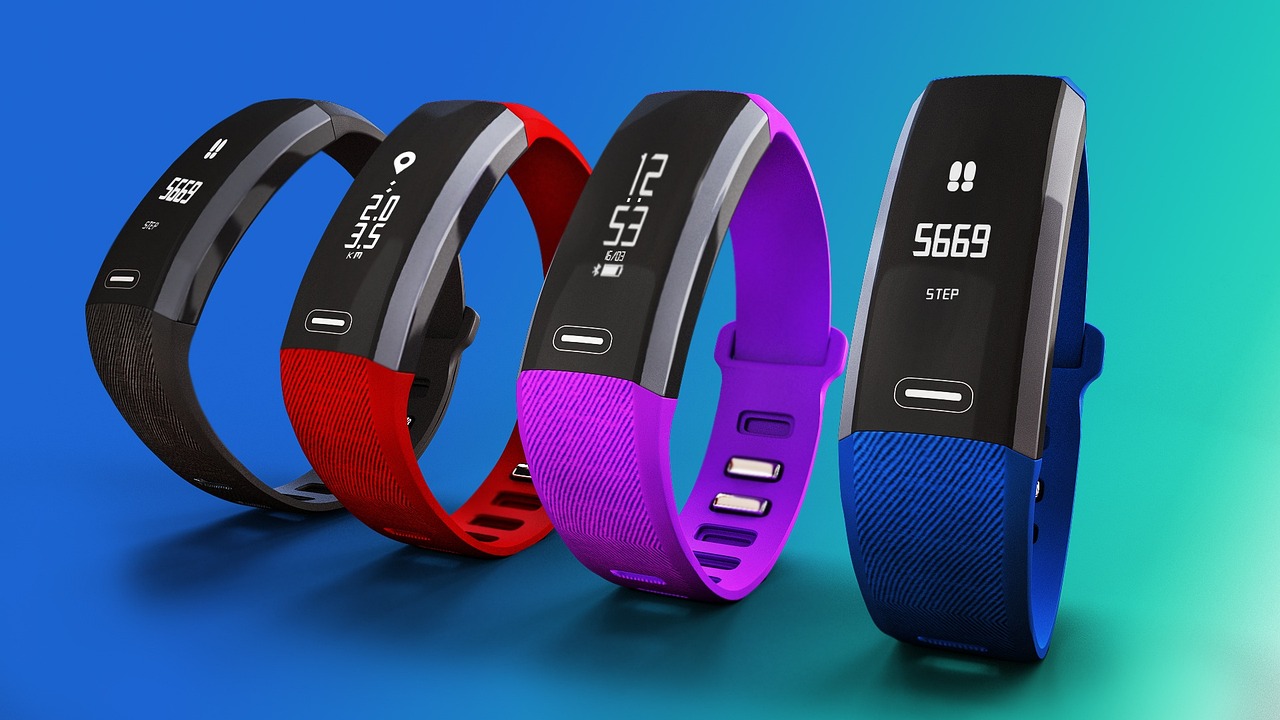
While effectively monitoring heart rates during workouts is essential, accuracy of the device itself plays a significant role. Different heart rate monitors have varying levels of reliability, depending on their technology. Chest straps are often regarded for their accuracy compared to wrist-based devices. However, advancements in optical sensors have improved wrist monitor performance significantly. When choosing a device, consider factors such as comfort, usability, and design. Finding one that aligns with personal preferences can encourage consistent use. Additionally, integrating heart rate monitoring with fitness apps allows for a more comprehensive fitness experience. Many apps facilitate tracking workout history, calorie expenditure, and even nutrition. Selecting an appropriate app to complement a heart rate monitor can enhance the overall training routine. Tutorials often available on manufacturers’ websites guide users in utilizing advanced features effectively. Staying updated on any firmware updates improves monitor reliability. Furthermore, users should recalibrate their devices when necessary, particularly after significant physical changes. Ultimately, evaluating and selecting a heart rate monitor that suits individual needs ensures the highest level of efficiency and accuracy during workouts.
Conclusion: Enhancing Training Results
In conclusion, utilizing heart rate monitors offers significant advantages for individuals striving to enhance their fitness results. The ability to track heart rate provides valuable insights that can guide training intensity, recovery, and overall progress. Key practices include establishing personal heart rate zones and continuously monitoring fitness trends to adjust workouts as necessary. Additionally, incorporating heart rate variability analysis allows for adjustment based on recovery needs, further maximizing performance. It is essential to choose the right heart rate monitor that matches specific goals and preferences to achieve long-term success. By regularly evaluating progress, users can stay motivated and celebrate their achievements. Moreover, seeking guidance from fitness professionals can further optimize training approaches when using heart rate monitors effectively. Most importantly, committing to consistent exercise habits and smart training choices transforms fitness journeys significantly. Through diligence, informed strategies, and valuable data derived from heart rate monitors, individuals can elevate their training outcomes. Embrace the power of data-driven training and prepare to watch remarkable changes unfold over time. With dedication, the combination of heart rate monitoring and effective training will undoubtedly lead to successful fitness outcomes.