
Restoring Movement Patterns Through Corrective Exercise
Corrective exercise strategies are essential for restoring proper movement patterns in individuals suffering from various physical dysfunctions. These strategies focus on identifying and addressing the underlying causes of movement deficiencies rather than merely treating the symptoms. By utilizing functional assessments, fitness professionals can pinpoint specific areas of concern and create tailored exercise programs. For instance, an assessment may reveal imbalances in strength, flexibility, or coordination, all contributing to insufficient movement patterns. Once these issues are identified, practitioners can implement targeted corrective exercises to restore balance and improve functional movement. Effective corrective strategies could involve strength training, stretching, mobility work, and stability exercises. Each exercise should aim to enhance neuromuscular control and optimize movement quality, ultimately leading to better performance and reduced injury risks. In addition, incorporating corrective exercise into regular training can facilitate long-term adaptations in movement patterns. As individuals become more aware of their bodies, they can better recognize and correct faulty movement patterns themselves. This approach fosters independence and empowers clients to take an active role in their rehabilitation. Overall, corrective exercise is a fundamental toolbox for anyone focused on enhancing physical performance.
One of the key benefits of corrective exercise strategies is the enhancement of proprioception. Proprioception refers to the body’s ability to sense its position and movement in space. Exercise programs designed with corrective principles not only improve muscular performance but also refine this critical sensory feedback mechanism. Enhanced proprioception allows individuals to move more efficiently, engage the correct muscle groups during activity, and prevent the development of faulty habits. This is particularly important in sports, where agility and balance are paramount for performance. By focusing on foundational movement patterns through corrective strategies, athletes can gain a competitive edge, improving their maneuverability and reaction time on the field or court. Furthermore, corrective exercises provide a framework for ongoing assessment and adjustment. As individuals progress, practitioners can modify exercise regimens to continue challenging the body and promote further adaptations. This dynamic process helps maintain client engagement and motivation, preventing stagnation and enhancing overall fitness outcomes. Moreover, utilizing corrective exercise serves the dual purpose of rehabilitation and optimization. Thus, corrective exercises play a vital role not only in restoring movement patterns but also in maximizing athletic performance and functional capacity.
The Role of Corrective Exercises in Injury Prevention
Injury prevention is a critical aspect of fitness and athletic training that can be significantly improved through the implementation of corrective exercise strategies. By addressing movement flaws and physical imbalances, individuals can reduce their risk of sustaining injuries during activities. Corrective exercise empowers clients by enabling them to identify weaknesses or limitations in their movements and provides strategies to alleviate these concerns. An understanding of proper biomechanics and movement mechanics is necessary for creating effective corrective exercise programs. For example, enhancing core stability can lead to improved posture and decrease susceptibility to lower back injuries. Similarly, focusing on hamstring flexibility and strength can help mitigate the risk of strains and tears during high-intensity workouts or sports performance. Furthermore, progressive exercise modifications allow each client to build a strong foundation for movement. This is particularly essential for those returning to exercise after rehabilitation or injury. A well-structured corrective exercise program not only focuses on the injured area but holistically addresses the entire kinetic chain. As such, corrective exercises play a vital role in maintaining longevity in exercise and athletic pursuits, ensuring lifelong physical activity.
In addition to injury prevention, corrective exercise can significantly boost athletic performance. Many athletes are unaware of how their movement patterns can affect their ability to perform at their peak. Implementing corrective exercises into their training programs can enhance overall performance by focusing on the fundamental aspects of movement. For instance, targeted exercises that strengthen stabilizing muscles can lead to improved power output and better agility. In high-impact sports, where quick directional changes are frequent, optimizing movement patterns reduces the likelihood of injury while enhancing efficiency in performance. Additionally, addressing issues like limited mobility or ineffective sequencing can propel athletes to new levels of success. As individuals become more proficient in their movements, they can execute complex actions more fluidly, resulting in superior performance metrics and improved competition results. Corrective exercise can also serve as a form of active recovery, allowing athletes to train their bodies while addressing specific deficiencies. Athletes benefit not only from the physical adaptations produced by these corrections but from increased mental engagement and focus during training sessions. Hence, the importance of incorporating corrective exercises into training programs is crucial for both immediate performance enhancements and long-term gains.
Common Corrective Exercises
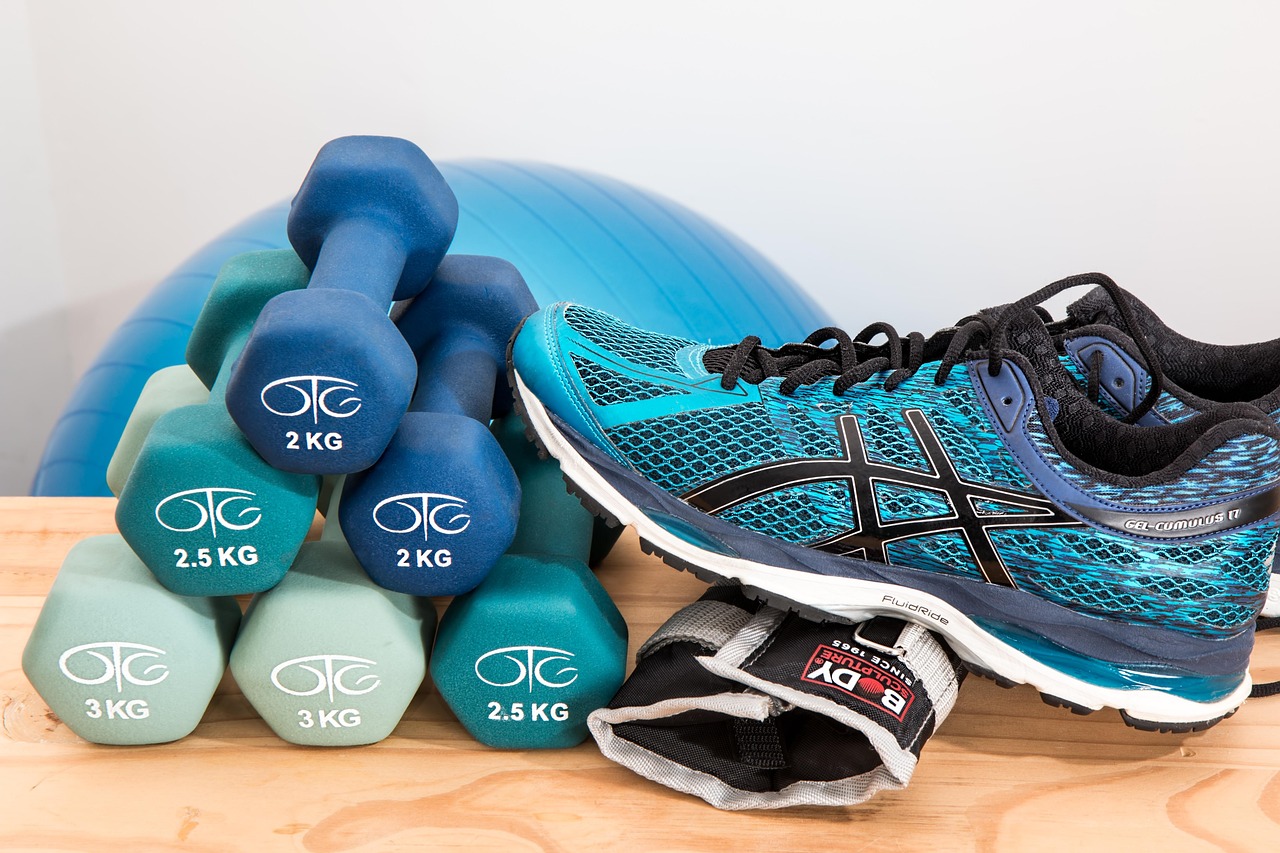
There are several common corrective exercises that practitioners can integrate into rehabilitation and fitness programs. These exercises encompass a range of movements targeting various muscle groups and movement patterns. For instance, the glute bridge is an effective exercise for improving hip extension and activating the glutes, which often remain underactive in many individuals. Another exercise to consider is the plank, which enhances core stability and promotes proper spinal alignment. Furthermore, the cat-cow stretch is an excellent way to improve spinal mobility and balance between flexion and extension of the spine. Incorporating these types of exercises into training programs can lay the groundwork for proper movement patterns. Additionally, variations such as single-leg exercises can challenge balance and coordination, addressing common deficits in movement quality. Furthermore, utilizing equipment such as resistance bands or stability balls can facilitate the creation of effective corrective routines. A well-rounded approach to corrective exercise increases not only strength but also enhances overall functionality and stability in various movement patterns. Ensuring proper execution of these movements is critical, emphasizing technique over volume for the best results.
Assessment is a pivotal component of establishing effective corrective exercise strategies. Before embarking on any exercise program, an initial evaluation allows fitness professionals to gauge current movement capabilities accurately. A comprehensive assessment may include a series of tests designed to identify limitations in mobility, strength, stability, and overall movement patterns. After gathering this critical information, specialists can tailor exercise programs specifically to address identified weaknesses. The feedback during assessments also provides a framework for tracking progress over time and adjusting training modalities as necessary. Continuous evaluation ensures that clients remain challenged and engaged throughout their corrective exercise journeys. This systematic approach fosters an empowering environment where clients feel encouraged to continue their fitness milestones. Additionally, follow-up assessments allow for identifying emerging concerns or new areas requiring attention. Establishing an ongoing relationship based on the individual’s progress highlights the importance of developing a personalized approach to exercise. Clients are more likely to succeed when they are actively involved in their assessment and program adjustment processes. The focus on addressing specific concerns enhances compliance and promotes a deeper understanding of their bodies and overall movement quality.
Conclusion: The Future of Movement with Corrective Exercise
Corrective exercise strategies represent a fundamental shift in how we approach fitness and rehabilitation. By prioritizing functional movement patterns and addressing underlying issues, individuals can not only restore their physical abilities but also maximize their performance. This proactive approach has significant implications for the future of fitness, making preventive care an integral part of health and well-being. As more fitness professionals integrate corrective exercise into their practice, clients can expect a comprehensive strategy that offers improvements in both performance and injury prevention. In addition, raising awareness about the importance of movement quality will foster a culture that embraces fitness as a holistic endeavor, rather than merely focusing on aesthetics. This encompasses a healthier lifestyle, emphasizing functional capabilities backed by current research and best practices. As technology evolves, new tools and techniques for assessments and corrections will continue to emerge, paving the way for exciting possibilities in corrective exercise. Ultimately, the future of fitness hinges on our ability to recognize and address movement patterns effectively. Through continued education and dedicated practice, corrective exercise strategies can revolutionize how individuals approach their physical training, ensuring resilience and capability throughout their lives.
Through understanding the significance of corrective exercise, we can empower individuals to take control of their movement health actively. Incorporating these strategies not only improves physical capabilities but also enhances overall quality of life. By focusing on corrective exercise principles, practitioners can create personalized programs that address individual needs, ultimately transforming their approach to fitness and rehabilitation. An emphasis on functional training ensures that individuals are developing the skills necessary for everyday tasks, athletic pursuits, and maintaining longevity in their activities. Establishing strong community education around corrective exercise encourages individuals and fitness professionals alike to prioritize functional movement quality. As we continue to prioritize these strategies in our fitness industry, we lay the groundwork for a healthier future for ourselves and future generations. Promoting awareness of movement patterns will create a shift in the mindset, emphasizing the importance of proper biomechanics and injury prevention. This approach will contribute to happier and healthier lifestyles, where individuals can thrive in their physical capacities. Therefore, embracing corrective exercises and making them an essential part of any fitness routine can lead to transformative benefits for all.