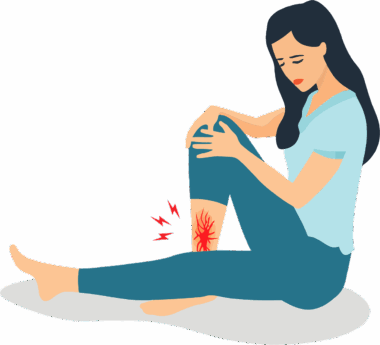

Incorporating Balance Exercises to Prevent Falls and Injuries
Incorporating balance exercises is critical in developing a personalized injury prevention plan. Many individuals, especially older adults, face a high risk of falls due to decreased balance and coordination. Implementing regular balance training can significantly enhance stability and reduce the likelihood of injury. Activities such as tai chi and yoga not only improve balance but also promote flexibility and strength. Furthermore, enhancing core stability through exercises targeting the abdomen and back can create a strong foundation for better posture and coordination. Individuals should consider integrating these exercises into their daily routines. A well-rounded approach that includes proprioceptive training may also be beneficial. This can involve using equipment like balance boards or stability balls to challenge balance and coordination skills. Regular physical activity has been shown to improve overall functional abilities, thus lowering the risk of accidents at home and in other environments. Setting realistic goals that are tailored to one’s fitness level is essential. Always consult with a healthcare provider to ensure the exercises chosen are safe and appropriate for your individual needs.
Creating an effective balance training program involves understanding your specific needs and abilities. Start with assessing your current level of fitness and balance skills. Depending on your personal assessment, choose various exercises that challenge your balance gradually. Incorporate movements such as one-legged stands, heel-to-toe walking, or side leg raises. It’s important to maintain proper form throughout these exercises to prevent injuries. Moreover, consider voicing any concerns during initial assessments or when introducing new exercises. Joining a group class can enhance motivation and provide social support; it’s also a great way to learn from qualified instructors. Remember to start slowly and gradually increase the intensity and duration of your workouts as you become more comfortable and confident in your abilities. Keeping a consistent training schedule is vital for achieving optimal results in strength and balance enhancement. Always focus on your body mechanics and adjust any movements as necessary. Progress tracking will also help in identifying improvements and areas needing additional attention. Having a well-structured plan makes your injury prevention efforts more effective in the long run.
Benefits of Balance Exercises
The benefits of balance exercises extend beyond injury prevention. Regular engagement in balance activities can enhance overall physical fitness and enhance daily functional mobility. Improved balance leads to greater confidence in performing everyday tasks, such as walking up stairs or navigating uneven surfaces. Additionally, balancing skills are crucial for athletes across various sports, aiding in performance and reducing injury risks during competition. Moreover, older adults significantly benefit from these exercises as they experience declines in proprioception and stability due to aging. Balance exercises can also slow down these effects and promote a greater sense of independence. Engaging in exercises that improve balance can reduce the fear of falling, which often hinders physical activity participation among seniors. By participating in balance training, individuals may maintain an active lifestyle, thereby fostering mental well-being through increased social interactions and physical health. It opens up opportunities for community involvement, further enriching one’s life. Thus, the importance of balance exercises cannot be underestimated in creating a holistic approach to health and wellness.
Designing a personalized injury prevention plan should consider the unique challenges faced at different life stages. For seniors, this means focusing on dynamic balance exercises that mimic the unpredictability of real-life situations, such as recovery from a slip or trip. Exercises should aim to improve reaction time and muscle strength, combined with stretching components to prevent muscle stiffness. Ideally, integrating low-impact aerobic activities will aid in overall cardiovascular health while supporting balance training. Younger individuals, including those involved in sports, should focus on activities that are sport-specific. This can involve plyometric exercises that enhance coordination and agility, decreasing the chances of injuries during active pursuits. Consulting with a physical therapist can provide valuable insights into which exercises are best suited for individual athletes. Group training sessions are also beneficial, leading to increased accountability and motivation. Educational resources such as classes or workshops can empower individuals to take ownership of their health. This knowledge will enable better decision-making regarding participation in physical activities, ultimately reducing the risk of injuries.
Choosing the Right Exercises
Selecting the right balance exercises hinges on understanding various styles and their benefits. Different modalities, such as yoga, dance, or martial arts, offer diverse approaches to enhancing balance and coordination skills. Individuals may find certain practices resonate more than others due to personal preferences or prior experiences. For instance, tai chi emphasizes gentle flowing movements, which are accessible for beginners and effective for improving focus and stability. Conversely, more active pursuits such as dance or martial arts can elevate heart rates while fostering balance through dynamic moves. Always consider your comfort level, current fitness status, and health history before embarking on a new exercise regimen. Diverse approaches can cater to a wide range of needs and allow inclusion for individuals of all ages and backgrounds. Working with certified instructors can optimize the engagement of exercises tailored to specific objectives. Fitness assessments also play a vital role in tracking progress over time, ensuring variety and adaptability. Committing to a consistent routine will secure the long-term benefits sought from balance training and injury prevention initiatives.
Implementing balance exercises consistently provides benefits that can extend over time. One key aspect of a successful injury prevention plan is to maintain an adaptable routine that evolves with individual progress. Modify exercises to continue challenging your balance as you improve. Opt for more complex movements that incorporate multiple muscle groups and dimensions. Execution with proper form remains crucial, as incorrect movements can lead to injuries; hence, mindfulness in practice must never be compromised. Utilizing assistive devices such as balance bars can help when first learning challenging exercises. Always ensure an appropriate space free of hazards, which will also promote a safer training environment. Incorporating variations and ensuring regular assessments will keep the regimen engaging and prevent plateaus in development. After completing a dedicated balance exercise program, maintain some form of balance training as part of your weekly exercise routine to sustain improvements. Staying committed to progressive exercises will facilitate long-lasting benefits. Creating a progressive and adaptable plan helps ensure continued success in preventing falls and injuries while enhancing overall wellness.
Conclusion and Future Steps
In conclusion, balance exercises play an integral role in developing a personalized injury prevention plan. Increasing levels of balance and coordination through tailored exercises can lead to enhanced quality of life, particularly for older adults and active individuals. While it may take time to see noticeable improvements, consistency is key in this journey. Regular assessments and modifications to your training program can further support healthy progression towards reaching fitness goals. When designing a plan, don’t overlook the importance of individual preferences, surroundings, and available resources, as these can significantly impact engagement and adherence. Embrace balance training as a lifelong endeavor, focusing on both physical benefits and the positive mental well-being it brings. Share your experiences with others to foster community support and encouragement in establishing a healthier lifestyle. Understanding how to prevent injuries through balance training ultimately contributes to a safer life for everyone. The path to injury prevention is a commitment that rewards patience and dedication. So invest your time in balance exercises, and reap the many rewards that come along the way.