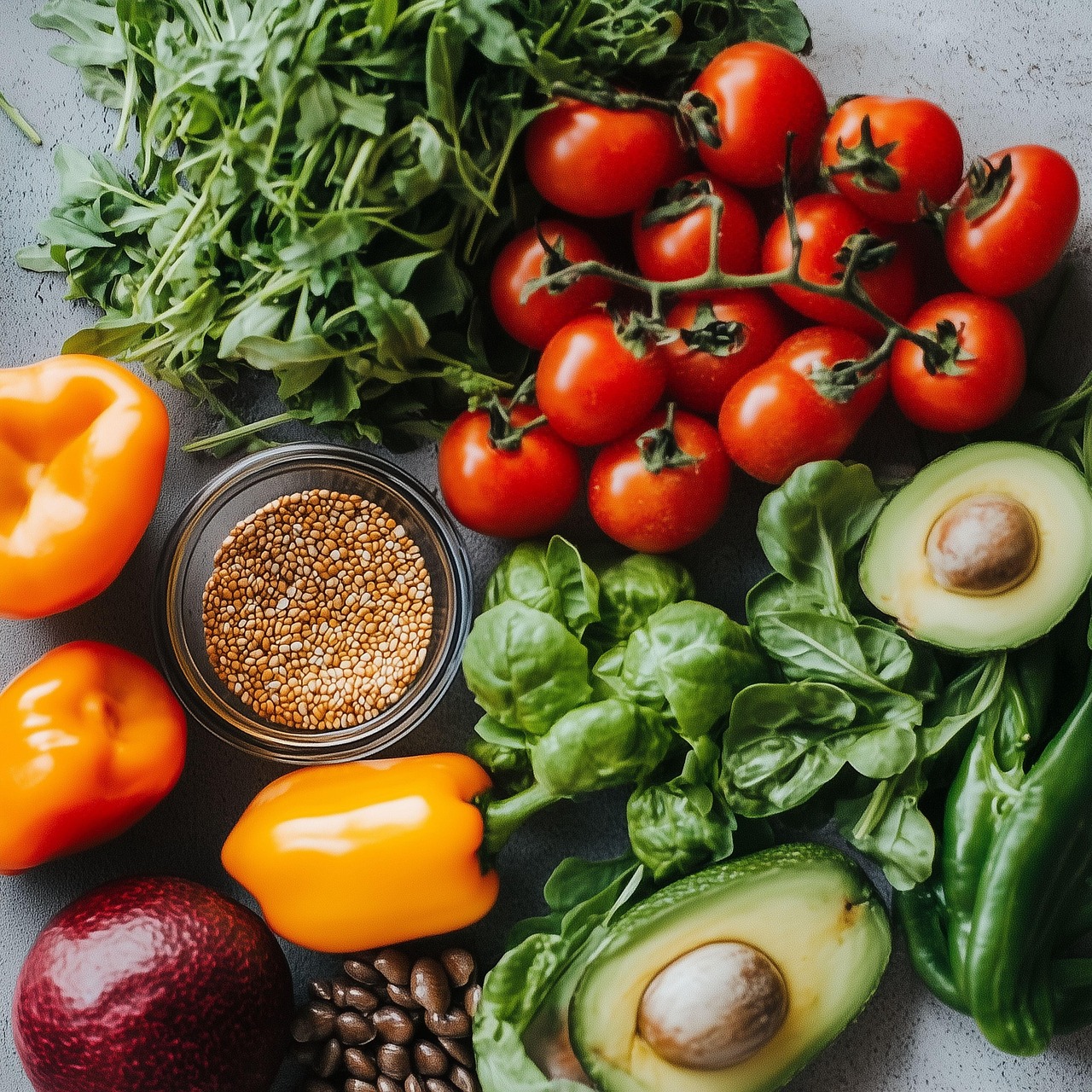

Using Whole Foods from Plants to Sustain Your Ideal Weight
Maintaining an ideal weight can be a challenge, but incorporating a plant-based diet can significantly ease this process. Whole foods from plants are not only rich in nutrients but also high in fiber, which helps keep you full longer. Fiber slows digestion, helping you feel satisfied and reducing the urge to snack between meals. Many individuals find that when they eat more whole plant foods, they naturally consume fewer calories. This can lead to weight loss or maintenance without the need for restrictive dieting. Moreover, a plant-based diet often includes fruits and vegetables, which are high in antioxidants and vitamins that promote overall health. Opting for whole, unprocessed foods limits added sugars and unhealthy fats, which can contribute to weight gain. With diverse options available, like legumes, whole grains, and nuts, there is plenty of variety to keep meals interesting. By making nutritious choices, individuals can not only stabilize their weight but also improve their energy levels, mood, and overall well-being. Transitioning to a plant-based diet can be both enjoyable and fulfilling, leading to a sustainable lifestyle change.
When choosing a plant-based diet for weight maintenance, understanding the nutritional composition of your food is crucial. Focus on the following food groups: whole grains, legumes, nuts, seeds, fruits, and vegetables. Each group provides essential nutrients that help support a healthy metabolism. For example, whole grains offer fiber and B vitamins, while legumes contain protein and additional fiber. Including a variety of colorful fruits and vegetables ensures that you receive a wide array of vitamins and antioxidants. Some great choices include berries, leafy greens, and cruciferous vegetables. Nuts and seeds are excellent sources of healthy fats, providing energy while still being beneficial for weight management. Implementing these components into meals can be done in delicious ways, such as incorporating quinoa in salads or having hummus as a dip. Meal planning can also aid in making better food choices and preventing the temptation of unhealthy snacks. This structured approach not only supports ideal weight maintenance but also elevates culinary experiences, making every meal enjoyable and satisfying.
The Benefits of Plant-Based Whole Foods
Whole foods from plants contribute significantly to weight maintenance through their beneficial properties. Primarily, these foods contain high amounts of dietary fiber, which is proven to support weight loss and weight regulation. Fiber-rich foods increase satiety, meaning you’ll feel full longer, and reduce overall calorie intake. Additionally, incorporating whole foods into your diet can lead to improved digestive health due to their naturally occurring enzymes. Eating plant-based doesn’t mean sacrificing flavor; herbs and spices can enhance taste without adding calories. Foods like avocados also provide healthy fats, which are essential for energy without contributing to excess weight gain when consumed in moderation. Another significant benefit of whole foods from plants is the multitude of phytochemicals they offer. These compounds support metabolic health and can enhance physical performance. Furthermore, consuming diverse types of plant foods allows for a rich intake of antioxidants that combat oxidative stress. This holistic approach to dieting often leads to profound health changes, including improved heart health, better blood sugar control, and reduced risk of chronic diseases.
In addition to understanding the nutritional benefits, learning proper preparation techniques can enhance your plant-based experience. Choosing cooking methods that preserve nutrients is essential. Methods such as steaming, boiling, baking, and sautéing require minimal fat, which is beneficial for weight maintenance. Meanwhile, raw foods can provide enzymes that support digestion and reduce cooking-related nutrient loss. Making meals vibrant and varied does not rely solely on the cooking style but also engagement in creative recipes. Experimenting with different spices can elevate the flavor of plant foods while keeping meals low in calories. For instance, adding turmeric or chili powder can provide both taste and health benefits. Preparing dishes in large batches help ensure leftover options are healthy and convenient, which is a practical approach for busy individuals. Another tip is to make use of freezer meals. Portioning meals and freezing them offers quick, easy access to plant-based options when time is limited, ultimately supporting your weight maintenance journey. Emphasizing enjoyment in cooking and trying new recipes is essential for maintaining motivation and adherence to a plant-based lifestyle.
Listening to Your Body’s Signals
Being mindful of your body’s signals is crucial when maintaining an ideal weight, especially on a plant-based diet. Recognizing hunger versus emotional eating can lead to making better food choices and prevent overeating. Paying close attention to what and when you eat can cultivate a deeper connection with your body’s needs. It’s vital to allow yourself to enjoy meals and focus on the tastes and textures of plant foods. Implementing practices like mindful eating can help enhance this experience, promoting both connection and satisfaction. It’s also essential to assess how various foods make you feel afterward; some individuals may find certain foods cause discomfort or cravings that can derail progress. Recording food intake can identify patterns and triggers, helping you adjust accordingly. Incorporating regular meals and snacks helps balance blood sugar levels and stave off cravings. Furthermore, staying hydrated is often overlooked, yet drinking sufficient water can mitigate hunger signals and aid digestion. Simply staying in tune with what your body needs fosters long-term weight maintenance through the intuitive approach to eating.
Societal perceptions of plant-based diets often center on misconceptions regarding protein intake and meal satisfaction. However, understanding that plants also provide ample protein is vital for anyone looking to embrace this eating approach. Foods like lentils, chickpeas, tofu, and tempeh are not only high in protein but also contribute to satiety. Utilizing a balanced plate model can ensure that meals incorporate appropriate portions of these protein sources alongside carbohydrates and healthy fats. Combining various plant-based proteins throughout the day can meet amino acid requirements effectively. Educating oneself about the diverse sources of plant proteins helps to dismantle the myth that a plant-based diet cannot be satisfying or nutritionally complete. Furthermore, finding creative ways to incorporate these protein sources can inspire culinary innovation and meal diversity. For instance, blending beans in smoothies or making veggie burgers can make nutritious choices appealing. Ultimately, breaking away from preconceived notions allows individuals to fully embrace the satisfying nature of whole foods from plants, supporting their journey in weight maintenance with confidence and joy.
Sustaining Long-term Results
Transitioning to a plant-based diet involves not only eating healthy foods but also creating sustainable habits that support long-term results. Establishing a routine around meal times can foster consistency and help to create healthy habits over time. Pairing meals with activities such as exercise not only positions food as fuel but also integrates it into a well-rounded lifestyle. Building community through food can enhance your experience; cooking with others or participating in plant-based groups can provide support, motivation, and satisfaction as you embark on this journey. Engaging in regular physical activity complements a balanced diet and assists in maintaining your ideal weight. Emphasizing wholesome, accessible foods helps everyone in your household adopt healthier habits. Incorporating cooking sessions where everyone prepares meals together can create positive associations with healthy eating and teamwork. Recognizing the importance of patience and gradual changes fosters a healthier relationship with food. Setting realistic goals leads to more significant results over time, ultimately ensuring adherence to a plant-based diet that achieves lasting weight maintenance while enjoying the process of healthy living.
The path to sustaining your ideal weight through plant-based whole foods is both rewarding and transformative. It requires commitment to healthy choices while embracing the variety that whole foods offer. By focusing on nutrient-dense options, individuals can not only achieve weight maintenance but also promote overall well-being. Building a vibrant meal-preparation routine, understanding nutritional values, and listening to personal needs can create a holistic approach to weight health. Moreover, connecting with others on similar journeys can enhance motivation and foster support networks. As we refine our eating habits and embrace plant-based nutrition, we ultimately cultivate a lifestyle that promotes healthfulness, satisfaction, and resilience in achieving our goals. The journey may have its challenges, but the rewards extend beyond mere weight maintenance. Improved health, vitality, and longevity await those who commit to investing in their well-being through whole foods from plants, reaffirming the worth of this significant lifestyle choice. In conclusion, adopting a plant-based diet integrates deliciousness with wholesomeness while supporting long-term health and sustainability. Embarking on this path ensures that individuals remain not only healthy but also equipped to enjoy life fully, reaching a state of balance and vitality.