
Combining Dance and Strength Training for Senior Fitness
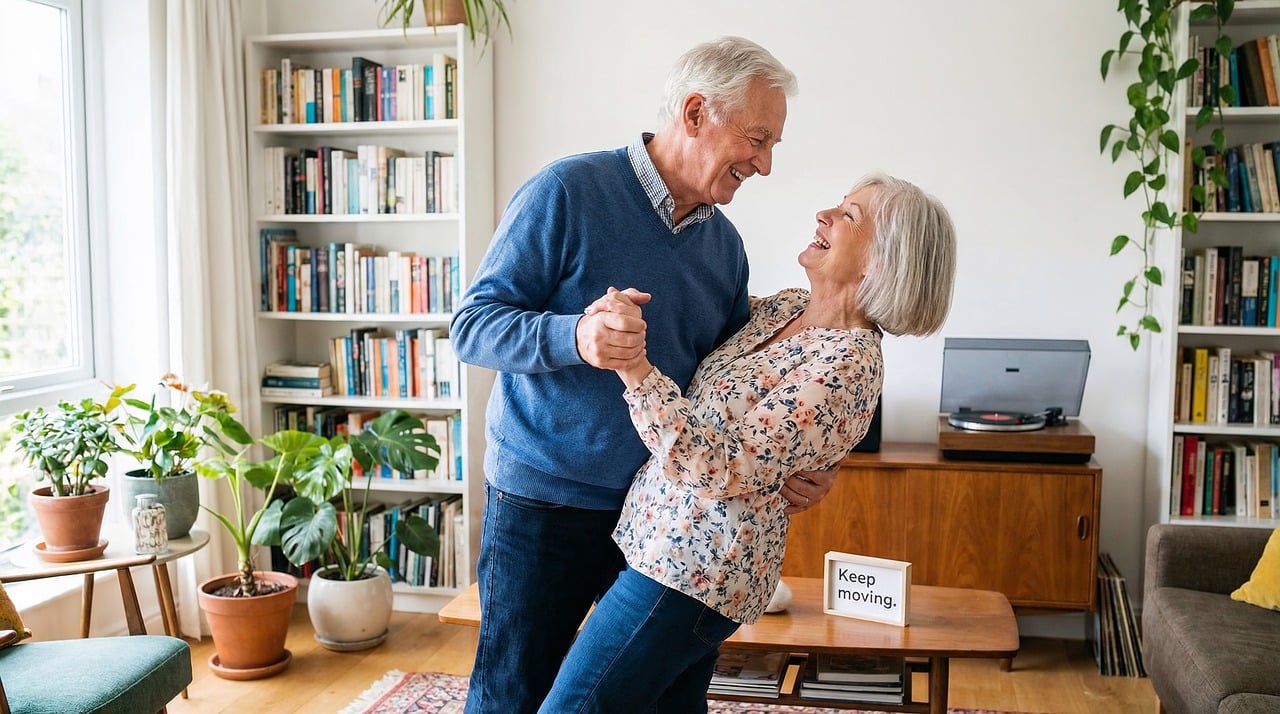
Senior fitness programs are becoming increasingly popular, particularly those that incorporate dance and movement classes. These classes offer an enjoyable way to stay active while promoting social interaction and emotional well-being. Many seniors experience physical limitations, and integrating dance into their fitness routine can help them improve flexibility, coordination, and cardiovascular health. Additionally, dancing is a low-impact activity, which makes it more suitable for older adults. As seniors participate in dance and movement classes, they also engage in a variety of movements that can strengthen their muscles and improve balance. This combination of dance and strength training provides a well-rounded approach to fitness, addressing both physical and mental health aspects.
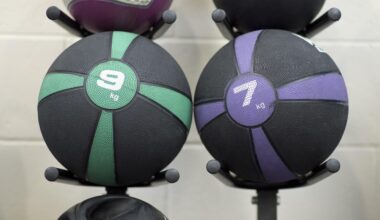
Incorporating dance into strength training routines offers numerous benefits to seniors. Dance promotes body awareness, rhythm, and coordination while enhancing cognitive function. Many studies highlight that engaging in dance can reduce the risk of fall-related injuries, a common concern for older adults. Dance also fosters social connections, allowing participants to enjoy the company of peers and share experiences. By including elements of strength training, such as resistance bands or light weights, seniors can enhance their muscle strength, which is crucial in maintaining independence as they age. Building muscle through these classes assists in daily activities, boosting confidence and overall quality of life.
The Types of Dance Suitable for Seniors
When selecting dance styles for seniors, it’s essential to consider their physical capabilities and preferences. Popular options include ballroom dancing, line dancing, and Zumba Gold, which are specifically tailored for older adults. Chair dancing is another fantastic option that allows seniors with limited mobility to experience the joy of dance while seated. This adaptation emphasizes upper body movements and coordination, ensuring everyone can participate regardless of their physical condition. Each of these dance styles not only keeps seniors active but also allows for self-expression and creativity, enhancing mental health and well-being.
Besides traditional dance classes, many community centers and fitness studios offer hybrid programs combining dance and strength training. These classes often emphasize strength-building moves set to lively music, encouraging seniors to enjoy the process while achieving their fitness goals. Instructors typically modify exercises to suit various fitness levels, ensuring participants feel safe and comfortable. Collaborating with trained professionals ensures seniors receive appropriate guidance and support. By adding rhythm and fun to strength training routines, seniors are more likely to stay motivated and committed to their fitness journey, contributing to long-term health benefits.
The Role of Group Classes in Senior Fitness
Group classes play a vital role in fostering a sense of community among seniors. Social interaction during dance and movement classes can significantly reduce feelings of isolation and loneliness, which many seniors experience. Building relationships within a supportive group encourages consistency in attendance, leading to improved fitness outcomes. Moreover, sharing successes, challenges, and experiences motivates seniors to push their limits while remaining accountable to one another. In group classes, participants often benefit from peer encouragement, camaraderie, and the energy generated by dancing together—boosting overall enjoyment and long-term commitment to a healthy lifestyle.
Regular participation in dance and movement classes contributes to improved mental and emotional health. Engaging in physical activity releases endorphins, which can help reduce feelings of anxiety and depression. By integrating strength training into dance routines, seniors can boost their confidence and self-esteem, knowing they are enhancing their physical abilities. Furthermore, learning new dance steps or routines improves cognitive function, providing both mental stimulation and an avenue for growth. The joy derived from mastering new skills and connecting with others fosters a positive mindset, ultimately leading to a more fulfilling and active life as seniors age.
Creating a Personalized Dance and Strength Training Program
To maximize the benefits of combining dance and strength training, seniors should consider creating a personalized fitness program. This program can be tailored to individual health goals, preferences, and any existing medical conditions. Consulting with qualified fitness professionals can provide valuable insights into designing a safe yet effective routine. Incorporating a diverse range of exercises, such as cardio, flexibility, and strength training, ensures seniors remain engaged. Additionally, seniors may choose to track their progress to stay motivated and continue advancing their fitness journey. Emphasizing enjoyment in each session ultimately leads to lasting lifestyle changes.
In conclusion, integrating dance with strength training significantly enhances senior fitness programs. By focusing on enjoyable activities that promote physical, emotional, and social well-being, seniors can lead healthier lives. Dance and movement classes provide much-needed exercise while fostering connection and community. As more seniors discover the benefits of these classes, they will likely feel empowered to embrace fitness, enabling a longer, healthier, and more active life. Encouraging seniors to participate in dance and strength training can lead to transformative outcomes, positively impacting their overall health and wellness as they navigate the aging process.